x

Giclée tisak muzejske kvalitete ili otisak na platnu uz brzu proizvodnju i fleksibilne opcije završne obrade. ( Kupi ručno naslikanu sliku Kupi digitalnu sliku)





























Odaberite jednu od naših unaprijed definiranih veličina koje odgovaraju izvornim proporcijama umjetničkog djela.

Možete unijeti vlastite dimenzije kako biste umjetničko djelo prilagodili specifičnom okviru ili prostoru. Ako odabrana veličina ne odgovara proporcijama izvornog rada, izrezat ćemo dio slike ili je proširiti pomoću ogledalnog efekta ili jednobojne rubne površine. Digitalni prikaz (mockup) bit će vam poslan na odobrenje prije početka proizvodnje.
Imajte na umu da pregled na zaslonu ne odražava stvarno izrezivanje ili proširivanje. Samo će mockup točno prikazati konačnu kompoziciju.
Iako su dostupne prilagođene veličine, preporučujemo odabir dimenzije iz unaprijed definirane liste kako biste očuvali izvorne proporcije.
Dostava širom svijeta () u roku od 2 tjedna umjesto standardnih 4/5 tjedana. (20 Kolovoz)


Dancer with Castenets
Veličina reprodukcije
Pierre-Auguste Renoir's "Dancer with Castanets," painted in 1895, isn’t merely a depiction of a performance; it’s an exquisite distillation of Impressionism’s core tenets – light, movement, and the ephemeral beauty of everyday life. This vibrant oil on canvas captures a fleeting moment of joyous abandon, transporting us to a Parisian salon filled with music and color. The painting immediately draws the eye to the dancer herself, a figure radiating confidence and grace within her scarlet dress. Her pose is dynamic yet poised, suggesting an effortless turn, while her outstretched hands, holding the castanets, hint at the rhythmic pulse of the dance itself. Renoir masterfully employs broken brushstrokes – a hallmark of his Impressionistic style – to create a sense of shimmering light and airiness, as if the scene is caught in a sunbeam.
The background, rendered in warm yellows and ochres, provides a subtle yet crucial contrast. It’s not a detailed landscape but rather an atmospheric backdrop that emphasizes the dancer's presence and contributes to the overall feeling of warmth and vibrancy. The use of color is particularly noteworthy; Renoir doesn’t simply represent reality but instead interprets it through his subjective perception of light and hue. The red of the dress, intensified by the surrounding tones, commands attention, while delicate pinks and blues suggest the fabric's texture and movement.
“Dancer with Castanets” stands as a quintessential example of Impressionist painting. Renoir, like his contemporaries Monet and Sisley, was fascinated by capturing the *impression* of a scene – not its precise details but rather the way light and color interact to create a particular mood or feeling. This is achieved through his loose brushwork, which creates an almost vibrating effect on the canvas. The painting’s energy isn't derived from sharp lines or meticulous rendering; instead, it comes from the artist’s ability to convey movement and atmosphere with rapid, expressive strokes.
The technique employed reflects a shift away from the academic traditions of the Salon, where realism and historical subjects were favored. Impressionists sought to paint *en plein air* (outdoors), directly observing nature and capturing its immediate effects on the eye. This approach resulted in paintings that are often characterized by their spontaneity and subjective interpretation. Renoir’s use of color is particularly aligned with this philosophy, as he prioritized conveying the sensation of light over strict adherence to naturalistic representation.
Beyond its technical brilliance, “Dancer with Castanets” holds a subtle layer of symbolism. The dancer herself represents joy, movement, and perhaps even a touch of exotic allure – elements frequently associated with the Parisian entertainment scene at the turn of the century. Castanets, traditional Spanish percussion instruments, evoke images of flamenco and Spain, suggesting a connection to vibrant cultural traditions. The setting, likely a private salon or gathering, hints at the social life and artistic patronage that flourished in Paris during this period.
The painting’s creation coincided with a time of significant change in French society and art. Impressionism was challenging established norms and paving the way for modern art movements. Renoir's work reflects both the optimism and experimentation of the era, capturing a moment of beauty and vitality while simultaneously pushing the boundaries of artistic convention.
“Dancer with Castanets” remains one of Renoir’s most beloved paintings, admired for its luminous quality, dynamic composition, and evocative portrayal of human expression. It's a testament to the artist’s ability to capture not just a scene but also the very essence of life itself. Most-Famous-Paintings offers meticulously crafted reproductions that faithfully recreate this masterpiece, allowing you to bring its beauty into your own home or office. Explore our collection today and experience the magic of Impressionism firsthand.

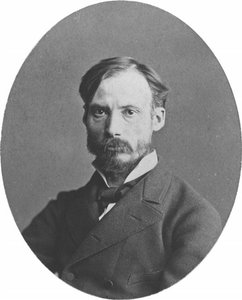
1841 - 1919 , Francuska

Uronite u svijet Pierre-Auguste Renoira! Otkrijte 25 remek-djela impresionizma, priče iza slika i tehničku genijalnost ovog francuskog umjetnika. Kupite vrhunske reprodukcije na Most-Famous-Paintings.com i uljepšajte svoj dom.

Explore the rich symbolism of the red dress in art history! From ancient power displays to iconic portraits like Cézanne’s 'Madame Cezanne', discover the cultural and artistic significance behind this captivating color. Expert analysis & insights.

Otkrijte 10 remek-djela impresionizma koji su definirali umjetnički pokret! Monet, Renoir, Degas i drugi majstori – istražite priče iza ikoničnih slika. Inspirirajte se za dekoraciju interijera s Most-Famous-Paintings.com - vrhunskim reprodukcijama i kuriranih ideja.

Explore the captivating world of Pierre-Auguste Renoir! Discover his life, iconic Impressionist masterpieces & enduring legacy with our expert guide. High-quality reproductions available.

Uronite u svijet impresionizma! Otkrijte 10 remek-djela Claude Moneta, Renoir-a i Van Gogha. Povijest umjetnosti, tehnike slikanja i inspiracija za dekoraciju interijera čekaju vas na Most-Famous-Paintings.com. Pronađite reprodukcije vrhunske kvalitete!


Budite u tijeku s najnovijim umjetničkim vijestima, ekskluzivnim ponudama i idejama za dekoraciju.
Recite nam nešto o svom projektu, a naši će stručnjaci za umjetnost pripremiti 3 personalizirana prijedloga umjetnina.
Dopustite nam da odaberemo 3 opcije samo za Vas – Besplatno!


 Pregledaj u stvarnoj veličini
 Pošalji
 Podijeli
 Detalji o umjetničkom djelu

 Preuzmi
 Slični predmeti
 Rentgenska snimka
 Automatska prezentacija

 Prikaži više







 Opcija stakla dostupna je samo za dimenzije manje od 110 cm