


x

 Conceptual Art
 745.0 x 1103.0 cm
 Modern Art Oxford
Ručno oslikano uljanim bojama na platnu u dimenzijama i okviru po vašem izboru, izrađeno po narudžbi od strane naših umjetnika. ( Kupi print Kupi digitalnu sliku)
Odaberite jednu od naših unaprijed definiranih veličina koje odgovaraju izvornim proporcijama umjetničkog djela.

Možete unijeti vlastite dimenzije kako bi odgovarale određenom okviru ili prostoru. Ako odabrana veličina ne odgovara proporcijama izvorne slike, izrezat ćemo umjetničko djelo ili proširiti sliku dodatnim ručno oslikanim elementima. Digitalni nacrt bit će vam poslan na odobrenje prije početka proizvodnje.
Imajte na umu da pregled na ekranu ne prikazuje stvarno izrezivanje ili proširivanje. Samo će nacrt točno prikazati konačni sastav.
Iako su dostupne prilagođene veličine, preporučujemo odabir dimenzije s preddefiniranog popisa kako bismo očuvali izvorne proporcije.
Isporuka širom svijeta () u roku od 3-4 tjedna umjesto standardnih 5 tjedana. (14 Kolovoz). Bez kompromisa u kvaliteti.


Walking a Labyrinth
Veličina reprodukcije

Sir Richard Long stands as a pivotal figure in the realm of land art, a movement that irrevocably altered perceptions of artistic practice and its relationship to the natural world. Born in Chicago, Illinois, in 1945, Long’s formative years instilled within him an enduring fascination with the landscape—a fascination that would eventually become the bedrock of his groundbreaking artistic vision. His journey into the heart of the earth began not with a brush, but with a step, as he sought to redefine the boundaries between the human presence and the vast, untamed wilderness.
Long’s academic path provided him with the intellectual tools necessary to dismantle traditional sculptural norms. After receiving a scholarship to Yale University, where he honed his skills in sculpture and conceptual art, he moved to England to pursue formal training at St. Martin's School of Art in London and subsequently at Bristol College of Art. This period of intense study immersed him in experimental techniques and fostered collaborations with fellow visionaries who shared his commitment to challenging conventional artistic boundaries. It was during this era that the seeds of his radical rethinking of materiality and process were sown, moving away from the studio and toward the open horizon.
As the late 1960s and early 1970s arrived, Long’s artistic trajectory crystallized alongside the emergence of land art. Rejecting traditional mediums and the permanence of bronze or marble, he embarked on a quest to communicate profound ideas about time, space, and human experience through ephemeral interventions. The cornerstone of his oeuvre is his celebrated walking sculptures—performative actions undertaken in remote locations where the artist traces lines across the earth using simple materials such as stone or pigment. These marks, though delicate, carry immense weight, leaving behind traces that gradually erode and merge back into the landscape.
These interventions are rarely viewed in isolation; rather, they are meticulously documented through photographs and maps. This documentation serves a dual purpose: it transforms a fleeting physical action into a permanent visual record and allows the viewer to experience the scale of his journeys from afar. Through these works, Long explores several profound themes:
The historical significance of Richard Long lies in his ability to transform the act of movement into a profound sculptural statement. By treating the landscape not merely as a subject, but as a collaborator, he pioneered a form of site-specific art that demands a deep connection to the earth. His work challenges the viewer to reconsider the role of the artist—not as a creator of objects to be possessed, but as a witness to the unfolding processes of nature.
Even as decades pass, the impact of his stone circles and minimalist interventions remains undiminished. He has left an indelible mark on the history of conceptual art, teaching us that the most powerful art is often found in the simplest of gestures: a line drawn in the dust, a circle of stones placed with intention, or a single footprint left upon a path. His legacy continues to inspire generations of artists to look beyond the gallery walls and find the sublime within the rhythm of the natural world.

1945 - 1974 , United States of America

Explore the captivating world of Richard Lindner, a pivotal Pop Art figure. Discover his unique style, symbolic depth, collecting insights & lasting influence on contemporary art. Expert analysis for collectors.
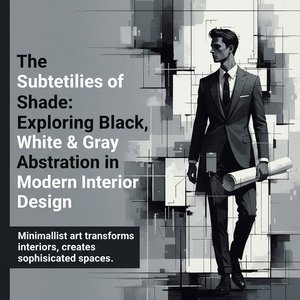
Otkrijte subtilnosti apstraktne umjetnosti u modernom uređenju interijera! Stručni savjeti za odabir boja, tehnika i stilova. Inspiracija & kvaliteta Most-Famous-Paintings.

Explore the profound world of Louise Bourgeois's sculpture with Most-Famous-Paintings. Discover her exploration of trauma, femininity & the subconscious – a guide for discerning collectors.

Explore Richard Wilson's groundbreaking landscape paintings & his enduring influence on contemporary installation art. Discover investment opportunities, provenance insights & the materiality of memory in this expert analysis.

Explore the captivating world of Hiro Yamagata’s innovative sculptures & paintings. Discover his pioneering use of laser technology, immersive installations, and abstract forms – a must-read for discerning art collectors.


Budite u tijeku s najnovijim umjetničkim vijestima, ekskluzivnim ponudama i idejama za dekoraciju.
Recite nam nešto o svom projektu, a naši će stručnjaci za umjetnost pripremiti 3 personalizirana prijedloga umjetnina.
Dopustite nam da odaberemo 3 opcije samo za Vas – Besplatno!


 Pregledaj u stvarnoj veličini
 Pošalji
 Podijeli
 Detalji o umjetničkom djelu

 Preuzmi
 Slični predmeti
 Rentgenska snimka
 Automatska prezentacija
 Prikaži više




































 Opcija stakla dostupna je samo za dimenzije manje od 110 cm


