


x

 Contemporary Realism
 1934
1934 26.0 x 73.0 cm
Giclée tisak muzejske kvalitete ili otisak na platnu uz brzu proizvodnju i fleksibilne opcije završne obrade. ( Kupi ručno naslikanu sliku Kupi digitalnu sliku)
Odaberite jednu od naših unaprijed definiranih veličina koje odgovaraju izvornim proporcijama umjetničkog djela.

Možete unijeti vlastite dimenzije kako biste umjetničko djelo prilagodili specifičnom okviru ili prostoru. Ako odabrana veličina ne odgovara proporcijama izvornog rada, izrezat ćemo dio slike ili je proširiti pomoću ogledalnog efekta ili jednobojne rubne površine. Digitalni prikaz (mockup) bit će vam poslan na odobrenje prije početka proizvodnje.
Imajte na umu da pregled na zaslonu ne odražava stvarno izrezivanje ili proširivanje. Samo će mockup točno prikazati konačnu kompoziciju.
Iako su dostupne prilagođene veličine, preporučujemo odabir dimenzije iz unaprijed definirane liste kako biste očuvali izvorne proporcije.
Dostava širom svijeta () u roku od 2 tjedna umjesto standardnih 4/5 tjedana. (23 Kolovoz)


Hell Gate Bridge
Veličina reprodukcije

In the vibrant tapestry of Australian art history, few names resonate with as much familial prestige and individual distinction as Sir Lionel Arthur Lindsay. Born in 1874 amidst the goldfields of Creswick, Victoria, Lindsay was far more than a solitary creator; he was a central pillar of a legendary artistic dynasty. Growing up in an environment saturated with creativity, alongside siblings such as Norman and Daryl Lindsay, his early life was a continuous dialogue with the visual arts. This upbringing instilled in him a profound respect for tradition and a meticulous eye for detail that would later define his celebrated career as a painter, etcher, and influential art critic.
Lindsay’s artistic formation took place at the prestigious National Gallery School in Melbourne, where he began to cultivate a technical mastery that bridged the gap between classical realism and the burgeoning sensibilities of impressionism. While many of his contemporaries were eager to embrace the radical abstractions of Modernism, Lindsay remained a steadfast defender of traditional craftsmanship. He possessed an uncanny ability to capture the essence of a subject through precise line work and evocative textures, whether he was rendering the rugged Australian landscape or the intricate mechanics of a locomotive. His self-taught expertise in etching and engraving, developed during his formative years, allowed him to bring a unique graphic strength to his prints, earning him international acclaim during exhibitions in London.
The work of Lionel Lindsay is characterized by an intimate connection to the subject matter, often finding profound beauty in the mundane and the monumental alike. His paintings and etchings serve as windows into both the natural world and the evolving urban landscape of early 20th-century Australia. One can observe his remarkable versatility in works such as “Trolley,” which captures the rhythmic energy of urban transit, and the deeply detailed “700-Series Locomotive,” where his precision transforms a mechanical subject into a piece of nostalgic art. His ability to manipulate light and color is equally evident in his more atmospheric pieces, where he employs an impressionistic touch to convey mood and seasonal shifts.
Beyond the canvas, Lindsay’s influence extended into the very fabric of the Australian art establishment. As a critic and writer, he used his platform to advocate for the merits of realism and the importance of technical excellence. His leadership roles were numerous and impactful:
The historical significance of Sir Lionel Lindsay lies not only in his prolific output but in his role as a guardian of artistic integrity during a period of intense cultural transition. His knighthood in 1941 was a fitting tribute to a lifetime of service to the arts, recognizing a man who had shaped the tastes and institutions of his nation. Even as the art world moved toward more experimental frontiers, Lindsay’s commitment to the beauty of the observable world provided a vital anchor for Australian identity.
As we look back upon his life, from the quiet goldfields of his youth to the prestigious galleries of London and Sydney, we see an artist who found comedy and life—as suggested by his posthumous autobiography—in every stroke of the brush and every etched line. His legacy remains preserved in the collections of major galleries worldwide, reminding us of a time when art was a profound exploration of truth, tradition, and the enduring spirit of the Australian landscape.

1874 - 1961 , Australia

Explore the fascinating history of the 'art model' through centuries of painting! Discover academic techniques, social contexts & the evolving role of models in art. Most-Famous-Paintings offers custom reproductions and expert consultation.

Explore the captivating history of the model in art! Discover representation, idealization & contemporary reinterpretations. Expert insights for collectors at Most-Famous-Paintings.
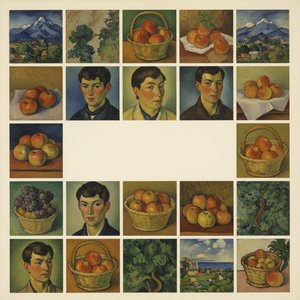
Uronite u svijet Paula Cézanna! Otkrijte 25 remek-djela impresionizma i postimpresionizma. Saznajte priče iza slika, tehnike i inspiracije ovog francuskog umjetnika. Reprodukcije vrhunske kvalitete dostupne na Most-Famous-Paintings.com
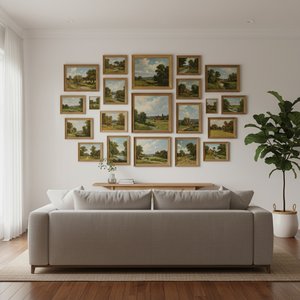
Uronite u svijet John Constabla! Otkrijte 25 remek-djela engleskog romantizma i pejzaža. Ekskluzivne reprodukcije slika, zidna dekoracija & inspiracija za dizajn interijera na Most-Famous-Paintings.com. Istražite cijelu kolekciju online!

Explore the captivating landscapes & still lifes of Carl Eduard Schuch (1846-1903), a pivotal Austrian painter bridging realism and modernism. Discover his influences, unique style, and lasting legacy with Most-Famous-Paintings.


Budite u tijeku s najnovijim umjetničkim vijestima, ekskluzivnim ponudama i idejama za dekoraciju.
Recite nam nešto o svom projektu, a naši će stručnjaci za umjetnost pripremiti 3 personalizirana prijedloga umjetnina.
Dopustite nam da odaberemo 3 opcije samo za Vas – Besplatno!


 Pregledaj u stvarnoj veličini
 Pošalji
 Podijeli
 Detalji o umjetničkom djelu

 Preuzmi
 Slični predmeti
 Rentgenska snimka
 Automatska prezentacija
 Prikaži više




































 Opcija stakla dostupna je samo za dimenzije manje od 110 cm


