x

Ručno oslikano uljanim bojama na platnu u dimenzijama i okviru po vašem izboru, izrađeno po narudžbi od strane naših umjetnika. ( Kupi print Kupi digitalnu sliku)





























Odaberite jednu od naših unaprijed definiranih veličina koje odgovaraju izvornim proporcijama umjetničkog djela.

Možete unijeti vlastite dimenzije kako bi odgovarale određenom okviru ili prostoru. Ako odabrana veličina ne odgovara proporcijama izvorne slike, izrezat ćemo umjetničko djelo ili proširiti sliku dodatnim ručno oslikanim elementima. Digitalni nacrt bit će vam poslan na odobrenje prije početka proizvodnje.
Imajte na umu da pregled na ekranu ne prikazuje stvarno izrezivanje ili proširivanje. Samo će nacrt točno prikazati konačni sastav.
Iako su dostupne prilagođene veličine, preporučujemo odabir dimenzije s preddefiniranog popisa kako bismo očuvali izvorne proporcije.
Isporuka širom svijeta () u roku od 3-4 tjedna umjesto standardnih 5 tjedana. (19 Kolovoz). Bez kompromisa u kvaliteti.


Camp Fire
Veličina reprodukcije
Winslow Homer’s “Camp Fire,” completed around 1883 and currently residing at the Metropolitan Museum of Art, stands as a cornerstone of American Realism—a movement dedicated to portraying life accurately without romantic embellishment. More than just a depiction of a campfire scene, it's an exquisitely crafted meditation on solitude, companionship, and the profound connection between humanity and nature.
Subject Matter & Composition: Homer captures a quintessential moment of rural American life—a group of men gathered around a crackling fire in the Adirondack Mountains. Two dogs flank the central figure, adding warmth and visual interest to the composition. The artist’s keen eye meticulously observes details like backpacks strapped on shoulders and a simple wooden chair positioned near the hearth, subtly conveying the activity of hikers or campers.
Style & Technique: Homer employed watercolor with blotting and scraping—a technique that allowed him to achieve remarkable textural effects. As noted by fellow artist Henry William Brewer, Homer skillfully utilized resist—thin layers of wax applied to paper before painting—to define the contours of tree trunks. This method ensured precise lines while simultaneously creating a dense, textured surface where subsequent washes were applied. The artist meticulously scrubbed away the resist after drying, leaving visible fragments that contributed to the overall visual richness.
Historical Context & Symbolism: Painted during Homer’s prolific period exploring the Adirondacks, “Camp Fire” reflects the burgeoning interest in plein air painting and the Romantic fascination with wilderness landscapes. The campfire itself symbolizes warmth, comfort, and human connection—a refuge from the anxieties of urban life. Furthermore, the towering cedar tree serves as a powerful emblem of resilience and endurance, mirroring Homer’s own artistic vision.
Emotional Impact: Viewing “Camp Fire” evokes a palpable sense of serenity and contemplation. The subdued palette—dominated by browns, blues, and ochres—enhances the painting's atmosphere of quiet reflection. Homer’s masterful rendering captures not only the visual beauty of the scene but also its emotional resonance—a celebration of simple pleasures and the restorative power of nature.
Resources for Further Exploration: To delve deeper into Winslow Homer’s artistic legacy, visit The Metropolitan Museum of Art to examine “Camp Fire” alongside other iconic works from his oeuvre. Alternatively, explore the history of painting on Wikipedia: History of Painting. For a stunning watercolor reproduction, consider purchasing one at Most-Famous-Paintings.com.

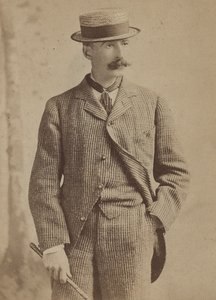
1836 - 1910 , Sjedinjene Američke Države

Explore the profound history of American Regionalism. Discover how Grant Wood captured the heart of the Midwest through masterpieces like American Gothic. An expert guide to the movement, its cultural impact, and the enduring beauty of American Realism.


Budite u tijeku s najnovijim umjetničkim vijestima, ekskluzivnim ponudama i idejama za dekoraciju.
Recite nam nešto o svom projektu, a naši će stručnjaci za umjetnost pripremiti 3 personalizirana prijedloga umjetnina.
Dopustite nam da odaberemo 3 opcije samo za Vas – Besplatno!


 Pregledaj u stvarnoj veličini
 Pošalji
 Podijeli
 Detalji o umjetničkom djelu

 Preuzmi
 Slični predmeti
 Rentgenska snimka
 Automatska prezentacija

 Prikaži više







 Opcija stakla dostupna je samo za dimenzije manje od 110 cm