


x


 Készíttetnék festményként Kép letöltése
 Megosztás
 Részletek
 Kedvencekhez ad
 Letöltés
 Hasonló alkotások
 X-ray felvétel
 Diavetítés
Múzeumi minőségű giclée vagy vászonnyomat, gyors gyártással és rugalmas finomítási lehetőségekkel.
Válasszon előre meghatározott méreteink közül, amelyek megfelelnek a műalkotás eredeti arányainak.

Megadhat saját méreteket is egy konkrét kerethez vagy helyszínhez igazítva. Amennyiben a kiválasztott méret nem egyezik az eredeti kép arányokkal, a műalkotást le fogjuk vágni, vagy kiegészítjük a képet tükrözött vagy egyszínű szélekkel. A gyártás megkezdése előtt egy digitális tervezetet küldünk jóváhagyásra.
Kérjük, vegye figyelembe, hogy a képernyőn látható előnézet nem tükrözi a tényleges levágást vagy kiegészítést. Csak a tervezet mutatja pontosan a végső kompozíciót.
Bár az egyedi méretek is elérhetőek, az eredeti arányok megőrzése érdekében azt javasoljuk, hogy válasszon a előre meghatározott listából származó méretet.
Világszerte történő kiszállítás területére 2 hét alatt, a szokásos 4-5 hét helyett. 22 július


Work table
A reprodukció mérete
To stand before Adam Weisweiler’s Work table is not merely to observe furniture; it is to encounter a meticulously preserved moment from the zenith of eighteenth-century artistry. Created in 1786, this piece transcends its function as a mere surface for work or display. It stands instead as a profound testament to the Enlightenment's embrace of refined taste and unparalleled craftsmanship. The overall impression is one of breathtaking symmetry and controlled opulence. One senses the quiet dignity of an era that valued intellect alongside exquisite aesthetics, where every curve and inlay told a story of patronage and precision.
The technical brilliance embedded within this table is nothing short of astonishing. Weisweiler masterfully combined several high arts into one cohesive object. The primary structure, rendered in rich, dark mahogany, provides a deep, grounding warmth that allows the inlaid veneers to sing. Observe the marquetry—a complex tapestry woven from various exotic woods and accented with gleaming gold leaf. This is not simple decoration; it is an architectural narrative executed on wood. Further elevating the piece are the small, delicate blue porcelain medallions placed thoughtfully upon each tier. These elements introduce a cool, chromatic counterpoint to the warm browns of the wood, suggesting classical motifs and perhaps even subtle heraldic whispers from the period’s elite circles.
This table belongs firmly within the Neoclassical vocabulary, embodying the restrained grandeur characteristic of the late Louis XVI style. While the era celebrated luxury, it did so with a newfound appreciation for classical order and geometric purity, moving away from the excesses of earlier Baroque periods. Weisweiler, having trained under masters like David Roentgen, channeled this spirit into every joint and carving. The slender, turned legs, detailed with brass accents, speak to an adherence to proportion—a hallmark of Enlightenment thought applied to domestic objects. Owning a reproduction of this piece allows one to anchor a modern space in the sophisticated patina of history.
What truly captivates the viewer is the emotional resonance of quiet perfection. The table suggests a life lived with cultivated taste—a place where scholarly pursuits met social grace. It evokes the hushed atmosphere of a grand salon, filled with candlelight reflecting off polished veneers. For the collector or designer, this piece offers more than just storage; it provides an immediate elevation of ambiance. It whispers tales of learned conversation and refined ritual, transforming any room into a space imbued with enduring elegance.


1750 - 1810 , Germany

Fedezze fel a 18. század legikonikusabb műalkotásait! Jacques-Louis David, Fragonard és más mesterek remekművei rokokó stílusban, barokk eleganciával. Művészeti reprodukciók prémium minőségben – inspirálja otthonát a Most-Famous-Paintings.com kínálatával! Explore the full collection online.

Explore the social commentary & artistic representation of 18th-century society. Discover Rococo masterpieces, portraiture's power, and shifting historical perspectives. Expert insights for art lovers.
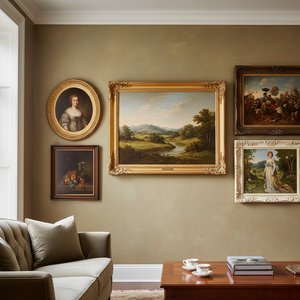
Journey through 18th & 19th century art! Explore iconic masterpieces by Monet, Van Gogh & more. Discover the stories behind these timeless paintings and find museum-quality reproductions for your home at Most-Famous-Paintings.com.

Fedezze fel a 19. század festészetének 10 legikonikusabb műalkotását! Monet, Manet és más mesterek remekművei romantikától az impresszionizmusig. Múzeumi minőségű reprodukciók otthonába Most-Famous-Paintings.com-on. Ismerje meg a történeteket és inspirálódjon!

Explore the world of 18th-century portraiture with Most-Famous-Paintings. Discover symbolism, artistic innovation & societal values reflected in masterpieces by Reynolds, Hogarth & more. Expert insights for collectors.


Maradjon naprakész a legfrissebb művészeti hírekkel, exkluzív ajánlatokkal és dekorációs ötletekkel.
Írja le nekünk projektjét, és művészeti szakértőink 3 személyre szabott műalkotási javaslatot készítenek Önnek.
Hagyjuk, hogy mi válogassunk ki Önnek 3 legjobb opciót – Ingyenesen!


 Megosztás


 Tovább olvasom




































 Az üvegkeretes opció csak 110 cm alatti méretben érhető el


