x

 1890
1890 150.0 x 200.0 cm
 Modern Művészetek Galériája
Kézzel festett olajvastú vászon, az Ön által választott méretben és keretben, művészeink készítik meglévőre. ( Nyomat rendelése Kép letöltése)
Válasszon előre meghatározott méreteink közül, amelyek megfelelnek a műalkotás eredeti arányainak.

Ön megadhat saját méreteket egy adott kerethez vagy térhez igazításhoz. Ha a kiválasztott méret nem egyezik az eredeti kép arányával, akkor a műalkotást levágjuk, vagy további kézzel festett elemekkel meghosszabbítjuk a festményt. A gyártás megkezdése előtt küldünk Önnek egy digitális előnézetet jóváhagyásra.
Kérjük, vegye figyelembe, hogy a képernyőn megjelenő előnézet nem tükrözi a tényleges vágást vagy kiterjesztést. Csak az előnézet fog pontosan mutatni a végső kompozíciót.
Bár egyedi méretek állnak rendelkezésre, javasoljuk, hogy válasszon egy méretet az előre meghatározott listából az eredeti arányok megőrzése érdekében.
Világszerte elérhető szállítás () 3-4 hét alatt a szokásos 5 hét helyett. (15 augusztus). A minőség nem kérdőjelezhető.


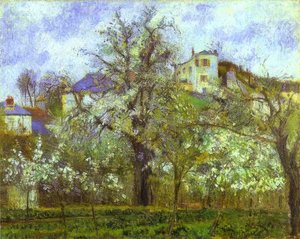
Spring
Reprodukció mérete

Adolfo Tommasi, born in Livorno in 1851, emerged as a prominent figure in Italian painting during the late nineteenth century. His artistic journey was marked by a fascination with capturing the essence of Tuscany’s landscapes and rural life—a pursuit that cemented his reputation as one of the foremost practitioners of Tuscan Impressionism.
Tommasi's formative years were spent in Livorno, where he honed his artistic skills under the tutelage of Silvestro Lega, a celebrated Florentine painter who instilled in him a profound appreciation for plein air painting—working directly from nature. Lega’s influence extended beyond technique; it fostered a belief in observing and portraying the world with honesty and sensitivity. Tommasi also briefly studied at Carlo Markò the Younger's academy, though he quickly recognized that academic conventions didn’t align with his artistic vision.
Tommasi’s breakthrough came in 1880 with “Dopo la brinata” (“After the Frost”), a controversial yet undeniably impactful painting depicting a cabbage field ravaged by frost. The artwork sparked considerable debate amongst critics and fellow artists, primarily due to its unflinching portrayal of agricultural hardship. However, it also garnered significant acclaim from luminaries like Signorini and Giovanni Pascoli, who lauded Tommasi’s ability to convey emotion and atmosphere with remarkable precision.
Throughout his career, Tommasi produced numerous landscapes and genre scenes that exemplify the Tuscan Impressionist style. His paintings captured the subtle nuances of light and color—a hallmark of this movement—and conveyed a deep connection to the rural environment. Key achievements included:
Tommasi’s unwavering commitment to naturalistic observation profoundly shaped the trajectory of Tuscan painting. He championed plein air painting—a technique that prioritized direct engagement with the subject matter—and skillfully employed pastel and oil paints to achieve luminous effects and textural richness. His legacy continues to inspire artists today who strive to capture the beauty and complexity of the natural world with authenticity and empathy.
Furthermore, his work served as an important catalyst for discussions about artistic representation and social commentary. “Dopo la brinata,” in particular, challenged conventional aesthetic standards and prompted critical reflection on the realities faced by rural communities.

1851 - 1933


Maradjon naprakész a legfrissebb művészeti hírekkel, exkluzív ajánlatokkal és dekorációs ötletekkel.
Írja le nekünk projektjét, és művészeti szakértőink 3 személyre szabott műalkotási javaslatot készítenek Önnek.
Hagyjuk, hogy mi válogassunk ki Önnek 3 legjobb opciót – Ingyenesen!


 Megtekintés
 Küldés
 Megosztás
 Részletek

 Letöltés
 Hasonló darabok
 X-ray felvétel
 Diavetítés
 Összes részlet megjelenítése




































 Az üvegkeretes opció csak 110 cm alatti méretben érhető el