x

Múzeumi minőségű giclée vagy vászonnyomat, gyors gyártással és rugalmas finomítási lehetőségekkel. ( Kézzel festett másolat rendelése Kép letöltése)





























Válasszon előre meghatározott méreteink közül, amelyek megfelelnek a műalkotás eredeti arányainak.

Megadhat saját méreteket is egy konkrét kerethez vagy helyszínhez igazítva. Amennyiben a kiválasztott méret nem egyezik az eredeti kép arányokkal, a műalkotást le fogjuk vágni, vagy kiegészítjük a képet tükrözött vagy egyszínű szélekkel. A gyártás megkezdése előtt egy digitális tervezetet küldünk jóváhagyásra.
Kérjük, vegye figyelembe, hogy a képernyőn látható előnézet nem tükrözi a tényleges levágást vagy kiegészítést. Csak a tervezet mutatja pontosan a végső kompozíciót.
Bár az egyedi méretek is elérhetőek, az eredeti arányok megőrzése érdekében azt javasoljuk, hogy válasszon a előre meghatározott listából származó méretet.
Világszerte történő kiszállítás területére mindössze 2 hét alatt, a szokásos 4-5 hét helyett. (20 augusztus)


Hercules
Reprodukció mérete
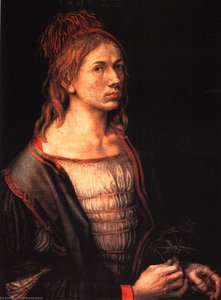
In the annals of the Northern Renaissance, few images command the eye with such immediate, visceral intensity as Albrecht Dürer’s "Hercules." Created in 1496, this masterful woodcut is far more than a mere illustration of Greek myth; it is a profound testament to the burgeoning artistic spirit of the German Renaissance. At first glance, the viewer is struck by a sense of monumental struggle and kinetic energy. Dürer does not simply depict a hero; he captures a moment of profound tension where muscle, shadow, and myth collide. The composition is anchored by a striking diagonal movement that sweeps from the lower left toward the upper right, guiding the observer through a densely populated landscape of action and drama. This deliberate arrangement mirrors the very essence of the heroic epic—a journey fraught with peril and relentless momentum.
The true genius of this work lies in Dürer’s unparalleled command over the woodcut medium. While many contemporary prints relied on simple outlines, Dürer pushed the boundaries of what could be achieved through carving into pear or boxwood. Through the sophisticated use of cross-hatching—the meticulous layering of intersecting lines—he achieves a breathtaking range of tonal variation. This technique allows for a sculptural quality that breathes life into the hero’s physique, creating deep, velvety shadows and brilliant highlights that suggest weight, volume, and anatomical precision. The resulting texture is palpable; there is a subtle, grainy rhythm to the print that speaks to the physical labor of the artist's craft, offering a tactile richness that makes the monochrome palette feel incredibly deep and multidimensional.
Beyond its technical brilliance, "Hercules" serves as a complex narrative vessel. While the subject matter draws from the legendary labors of the Greek hero, the interpretation of the scene invites profound psychological reflection. Some scholars suggest the work captures the hero’s confrontation with the Hydra, yet others find traces of a more tragic human drama—a moment of madness or moral crossroads. The presence of secondary figures and the stylized, detailed cityscape in the background create a world that feels both epic and intimately grounded. Dürer utilizes atmospheric perspective to suggest vastness, making the distant architecture appear lighter and more ethereal, which serves to heighten the immediate, heavy presence of the central figure.
For the discerning collector or interior designer, this piece offers a unique opportunity to introduce a sense of historical gravity and intellectual depth into a space. The stark, monochromatic elegance of the woodcut style allows it to integrate seamlessly into diverse aesthetic environments, from the minimalist modern gallery look to the richly textured atmosphere of a classical study. It is an artwork that does not merely decorate a wall; it anchors a room with its themes of resilience, strength, and the eternal struggle between chaos and order. Owning a high-quality reproduction of this masterpiece means possessing a fragment of the Renaissance soul—a window into a time when art first began to masterfully bridge the gap between the divine myth and the human experience.

Dürer’s influence reverberates through centuries of art history. His meticulous realism, his innovative use of printmaking, and his theoretical writings continue to inspire artists and scholars alike. He demonstrated that art could be both technically masterful and intellectually rigorous—a legacy that continues to shape the artistic landscape today.

1471 - 1528 , Olaszország

Explore the profound history and technical mastery of woodcut relief printing. From ancient origins to German Expressionism, discover how artists use the subtractive process to create iconic works. A definitive guide for art students, collectors, and historians.

Explore the profound mastery of Northern Renaissance art. Discover the technical brilliance of Flemish oil painting, the intricate symbolism of Bosch and Bruegel, and the revolutionary realism that redefined European art history through an expert historical lens.


Maradjon naprakész a legfrissebb művészeti hírekkel, exkluzív ajánlatokkal és dekorációs ötletekkel.
Írja le nekünk projektjét, és művészeti szakértőink 3 személyre szabott műalkotási javaslatot készítenek Önnek.
Hagyjuk, hogy mi válogassunk ki Önnek 3 legjobb opciót – Ingyenesen!


 Megtekintés
 Küldés
 Megosztás
 Részletek

 Letöltés
 Hasonló darabok
 X-ray felvétel
 Diavetítés


 Összes részlet megjelenítése







 Az üvegkeretes opció csak 110 cm alatti méretben érhető el