x

Kézzel festett olajvastú vászon, az Ön által választott méretben és keretben, művészeink készítik meglévőre. ( Nyomat rendelése Kép letöltése)





























Válasszon előre meghatározott méreteink közül, amelyek megfelelnek a műalkotás eredeti arányainak.

Ön megadhat saját méreteket egy adott kerethez vagy térhez igazításhoz. Ha a kiválasztott méret nem egyezik az eredeti kép arányával, akkor a műalkotást levágjuk, vagy további kézzel festett elemekkel meghosszabbítjuk a festményt. A gyártás megkezdése előtt küldünk Önnek egy digitális előnézetet jóváhagyásra.
Kérjük, vegye figyelembe, hogy a képernyőn megjelenő előnézet nem tükrözi a tényleges vágást vagy kiterjesztést. Csak az előnézet fog pontosan mutatni a végső kompozíciót.
Bár egyedi méretek állnak rendelkezésre, javasoljuk, hogy válasszon egy méretet az előre meghatározott listából az eredeti arányok megőrzése érdekében.
Világszerte elérhető szállítás () 3-4 hét alatt a szokásos 5 hét helyett. (20 augusztus). A minőség nem kérdőjelezhető.


St. John
Reprodukció mérete
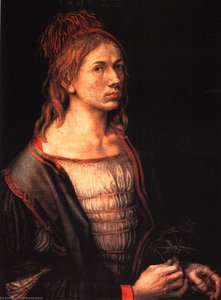
Albrecht Dürer's "St. John" stands as a testament to the Northern Renaissance fascination with realism, meticulous observation, and the profound exploration of human emotion through form. Executed around 1506, this monochrome drawing – rendered in graphite pencil or silverpoint on paper – offers an intimate glimpse into the mind of one of history’s most influential artists. The image depicts St. John the Evangelist in a strikingly direct pose, his upward gaze suggesting not just piety but a deep engagement with something beyond the earthly realm. Dürer's mastery is immediately apparent; every fold of fabric, every strand of hair, every subtle gradation of shadow speaks to an unparalleled dedication to capturing the essence of human anatomy and expression.
More than just a portrait, “St. John” is laden with symbolic meaning. The saint’s posture – standing upright, facing forward yet looking upwards – immediately evokes a sense of reverence and contemplation. This upward gaze has been interpreted as a representation of divine revelation, the saint's connection to the spiritual realm, or perhaps even a premonition of the future. Dürer’s meticulous rendering of St. John’s face, with its serene expression and slightly melancholic quality, invites viewers to consider themes of faith, mortality, and the search for truth. The monochrome palette further amplifies this emotional impact, stripping away distractions and focusing attention on the figure's inner state.
Dürer’s “St. John” is a quintessential example of Northern Renaissance art – a period defined by its emphasis on realism, detailed observation, and humanism. It reflects Dürer's deep understanding of classical principles combined with his own innovative approach to drawing and composition. This work demonstrates not only his technical skill but also his profound intellectual engagement with the world around him. The drawing’s enduring appeal lies in its ability to connect us across centuries, offering a powerful meditation on timeless themes of faith, beauty, and the human condition. Its creation represents a pivotal moment in Dürer's artistic journey, solidifying his reputation as a master draftsman and one of the most important figures in European art history.

Dürer’s influence reverberates through centuries of art history. His meticulous realism, his innovative use of printmaking, and his theoretical writings continue to inspire artists and scholars alike. He demonstrated that art could be both technically masterful and intellectually rigorous—a legacy that continues to shape the artistic landscape today.

1471 - 1528 , Olaszország

Explore the profound history of drawing techniques, from Dürer's precision to the alchemy of graphite. Discover how masters use line, weight, and contour to capture the human spirit in this expert guide to art history and technical mastery.

Explore the profound history and technical mastery of woodcut relief printing. From ancient origins to German Expressionism, discover how artists use the subtractive process to create iconic works. A definitive guide for art students, collectors, and historians.


Maradjon naprakész a legfrissebb művészeti hírekkel, exkluzív ajánlatokkal és dekorációs ötletekkel.
Írja le nekünk projektjét, és művészeti szakértőink 3 személyre szabott műalkotási javaslatot készítenek Önnek.
Hagyjuk, hogy mi válogassunk ki Önnek 3 legjobb opciót – Ingyenesen!


 Megtekintés
 Küldés
 Megosztás
 Részletek

 Letöltés
 Hasonló darabok
 X-ray felvétel
 Diavetítés

 Összes részlet megjelenítése







 Az üvegkeretes opció csak 110 cm alatti méretben érhető el