x

 EngravingWallArtRenaissance
 1523Renaissance
 118.0 x 75.0 cm
 Metropolitan Művészeti Múzeum
Kézzel festett olajvastú vászon, az Ön által választott méretben és keretben, művészeink készítik meglévőre. ( Nyomat rendelése Kép letöltése)





























Válasszon előre meghatározott méreteink közül, amelyek megfelelnek a műalkotás eredeti arányainak.

Ön megadhat saját méreteket egy adott kerethez vagy térhez igazításhoz. Ha a kiválasztott méret nem egyezik az eredeti kép arányával, akkor a műalkotást levágjuk, vagy további kézzel festett elemekkel meghosszabbítjuk a festményt. A gyártás megkezdése előtt küldünk Önnek egy digitális előnézetet jóváhagyásra.
Kérjük, vegye figyelembe, hogy a képernyőn megjelenő előnézet nem tükrözi a tényleges vágást vagy kiterjesztést. Csak az előnézet fog pontosan mutatni a végső kompozíciót.
Bár egyedi méretek állnak rendelkezésre, javasoljuk, hogy válasszon egy méretet az előre meghatározott listából az eredeti arányok megőrzése érdekében.
Világszerte elérhető szállítás () 3-4 hét alatt a szokásos 5 hét helyett. (16 augusztus). A minőség nem kérdőjelezhető.


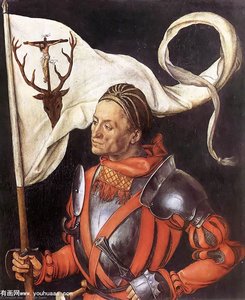
St Simon
Reprodukció mérete
In the quiet, meticulous world of the German Renaissance, few hands could command the copper plate with as much spiritual authority as Albrecht Dürer. His 1523 engraving, Saint Simon, is not merely a portrait of an apostle; it is a profound meditation on the weight of faith and the dignity of the human spirit. As one gazes upon this monochrome masterpiece, the viewer is immediately transported to an era where every line etched into paper served as a vessel for divine narrative. The figure of Saint Simon emerges from the starkness of the medium with a palpable presence, his weathered features and steady gaze inviting a moment of silent contemplation. This work transcends its historical boundaries, offering a timeless window into the soul of a man caught between the earthly struggle and heavenly promise.
The technical brilliance of this engraving lies in Dürer’s unparalleled mastery of hatching and cross-hatching. Without the luxury of color, the artist relies entirely on the density and direction of fine lines to sculpt form from emptiness. Through these delicate, rhythmic strokes, he achieves a remarkable tonal gradation that breathes life into the subject's heavy, draped robes and the rugged texture of his skin. The interplay of light and shadow creates a sculptural volume, making the figure appear almost three-dimensional against the paper. This meticulous craftsmanship does more than showcase technical prowess; it builds a sense of physical weight and gravity, mirroring the solemnity of the saint’s character. For the discerning collector or interior designer, such detail provides an anchor of sophistication, offering a texture that commands attention in any curated space.
Beyond its aesthetic splendor, Saint Simon is rich with the symbolic language of the sixteenth century. The presence of the sword held by the saint serves as a potent emblem of divine judgment and the protective strength required of a spiritual leader. It is a sharp, decisive element that cuts through the softness of the drapery, reminding the observer of the trials faced by the early apostles. The heavy folds of his garments are not merely decorative; they signify holiness, stability, and the venerable status of a man dedicated to a higher calling. Dürer weaves these elements together to reflect the broader humanist concerns of his time—exploring the intersection of individual morality and religious duty during the turbulent years of the Reformation.
The emotional resonance of the piece is found in its quiet strength and a subtle, underlying melancholy. There is a dignity in the saint's aged appearance, a sense of a life lived through persecution and unwavering belief. This emotional depth makes the artwork particularly compelling for those seeking to infuse their environments with character and intellectual depth. Whether displayed as a focal point in a classical study or as a nuanced accent in a modern gallery-style room, this reproduction of Dürer’s work brings with it an aura of historical significance and contemplative peace. It is an invitation to slow down, to look closer, and to find beauty in the precision of a single, perfectly placed line.

Dürer’s influence reverberates through centuries of art history. His meticulous realism, his innovative use of printmaking, and his theoretical writings continue to inspire artists and scholars alike. He demonstrated that art could be both technically masterful and intellectually rigorous—a legacy that continues to shape the artistic landscape today.

1471 - 1528 , Olaszország

Delve into the profound legacy of Saint George through art history. Explore iconic masterpieces by Raphael and Dürer, decoding the iconography of the dragon legend. Discover scholarly insights and bring these timeless tales to life with our museum-quality, hand-painted oil reproductions.

Explore the profound history of drawing techniques, from Dürer's precision to the alchemy of graphite. Discover how masters use line, weight, and contour to capture the human spirit in this expert guide to art history and technical mastery.


Maradjon naprakész a legfrissebb művészeti hírekkel, exkluzív ajánlatokkal és dekorációs ötletekkel.
Írja le nekünk projektjét, és művészeti szakértőink 3 személyre szabott műalkotási javaslatot készítenek Önnek.
Hagyjuk, hogy mi válogassunk ki Önnek 3 legjobb opciót – Ingyenesen!


 Megtekintés
 Küldés
 Megosztás
 Részletek

 Letöltés
 Hasonló darabok
 X-ray felvétel
 Diavetítés
 Összes részlet megjelenítése







 Az üvegkeretes opció csak 110 cm alatti méretben érhető el