x

Kézzel festett olajvastú vászon, az Ön által választott méretben és keretben, művészeink készítik meglévőre. ( Váltás nyomtatványra Képváltás)





























Válasszon előre meghatározott méreteink közül, amelyek megfelelnek a műalkotás eredeti arányainak.

Ön megadhat saját méreteket egy adott kerethez vagy térhez igazításhoz. Ha a kiválasztott méret nem egyezik az eredeti kép arányával, akkor a műalkotást levágjuk, vagy további kézzel festett elemekkel meghosszabbítjuk a festményt. A gyártás megkezdése előtt küldünk Önnek egy digitális előnézetet jóváhagyásra.
Kérjük, vegye figyelembe, hogy a képernyőn megjelenő előnézet nem tükrözi a tényleges vágást vagy kiterjesztést. Csak az előnézet fog pontosan mutatni a végső kompozíciót.
Bár egyedi méretek állnak rendelkezésre, javasoljuk, hogy válasszon egy méretet az előre meghatározott listából az eredeti arányok megőrzése érdekében.
Világszerte elérhető szállítás () 3-4 hét alatt a szokásos 5 hét helyett. (1 augusztus). A minőség nem kérdőjelezhető.


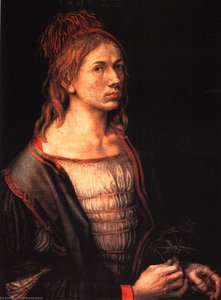
Violets
A reprodukció mérete
Albrecht Dürer's “Violets,” a meticulously rendered oil painting, offers more than just a beautiful depiction of flowers; it’s a profound meditation on observation, detail, and the burgeoning spirit of scientific inquiry that characterized the German Renaissance. Executed in the mid-15th century, this work exemplifies Dürer’s evolving artistic style – moving beyond purely decorative themes towards a deeper engagement with the natural world, anticipating the detailed botanical illustrations that would become increasingly popular during his time. The painting's immediate impact lies in its vibrant realism, achieved through a masterful command of color and texture. The artist doesn’t simply paint violets; he captures their delicate vulnerability, the subtle variations in petal form, and the way light plays across their surfaces. This level of detail was revolutionary for its time, reflecting Dürer's own relentless pursuit of accuracy and his desire to represent nature as faithfully as possible.
Dürer’s technique in “Violets” is characterized by loose yet controlled brushwork. He employs a rich palette of earth tones – deep greens, muted browns, and the various shades of purple – to create a sense of depth and realism. The artist's use of light and shadow is particularly noteworthy, subtly modeling the petals and leaves to give them a three-dimensional quality. This approach contrasts with the flatter styles prevalent in earlier works, demonstrating Dürer’s growing mastery of perspective and his ability to capture the nuances of natural forms. It’s evident that he was influenced by the detailed illustrations produced by artists like Theodore de Bry, who specialized in depicting scenes from early America and Renaissance life, showcasing a similar commitment to accurate representation.
Beyond its aesthetic beauty, “Violets” carries symbolic weight. The violet itself was often associated with humility, devotion, and remembrance – qualities highly valued during the Renaissance. The inclusion of insects, common in Dürer’s work, suggests a broader interest in understanding the interconnectedness of all living things. This reflects the growing humanist emphasis on observation and rational inquiry that defined the era. Dürer's meticulous approach to depicting nature aligns with the scientific advancements taking place at the time, foreshadowing the rise of botanical illustration as a serious academic pursuit.
"Violets" evokes a sense of tranquility and wonder, inviting the viewer to contemplate the beauty and complexity of the natural world. A hand-painted reproduction captures this essence perfectly, allowing you to bring this exquisite artwork into your home or office. Most-Famous-Paintings offers meticulously crafted reproductions that faithfully recreate Dürer’s original vision, ensuring that you experience the full impact of this timeless masterpiece.

Dürer’s influence reverberates through centuries of art history. His meticulous realism, his innovative use of printmaking, and his theoretical writings continue to inspire artists and scholars alike. He demonstrated that art could be both technically masterful and intellectually rigorous—a legacy that continues to shape the artistic landscape today.

1471 - 1528 , Olaszország

Explore the artistic innovation of the German Renaissance! Discover Dürer, the Danube School & Reformation art. Learn about techniques, materials & lasting influence. Find museum-quality reproductions at Most-Famous-Paintings.
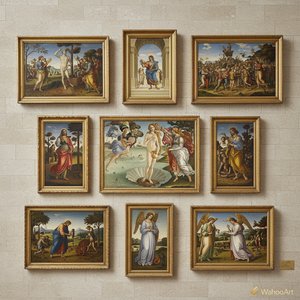
Fedezze fel a korai reneszánsz 10 legikonikusabb műalkotását! Leonardo, Michelangelo és Botticelli remekművei elmesélnek egy új korszak történetét. Vászonképek, faliképek – inspirálódjon Most-Famous-Paintings.com-on!
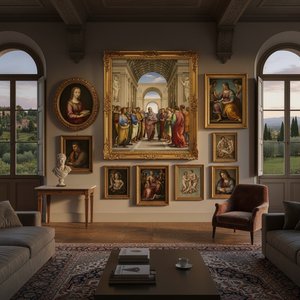
Fedezze fel Raphael 25 legpárásabb műalkotását! Olvasson a reneszánsz zsenialitásáról, festészeti technikáiról és ikonikus képeiről. Vásároljon exkluzív olajfestmény reprodukciókat otthona díszítésére a Most-Famous-Paintings.com-on!

Fedezze fel a Firenze Uffizi Galéria 25 legikonikusabb műalkotását! Leonardo, Michelangelo, Botticelli és más reneszánsz mesterek festményeinek története. Művészeti reprodukciók otthonába – Most-Famous-Paintings.com.
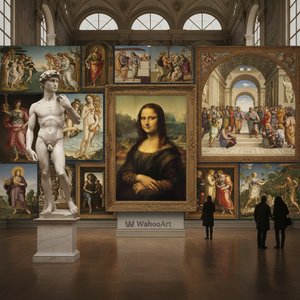
Fedezze fel a reneszánsz 10 legjelentősebb műalkotását! Leonardo da Vinci, Michelangelo és más mesterek remekművei – történetükkel, technikájukkal. Múzeumi minőségű reprodukciók otthonába a Most-Famous-Paintings.com-on. Explore the full collection online!


Maradjon naprakész a legfrissebb művészeti hírekkel, exkluzív ajánlatokkal és dekorációs ötletekkel.
Írja le nekünk projektjét, és művészeti szakértőink 3 személyre szabott műalkotási javaslatot készítenek Önnek.
Hagyjuk, hogy mi válogassunk ki Önnek 3 legjobb opciót – Ingyenesen!


 Előnézet
 Megosztás
 Megosztás
 Részletek

 Letöltés
 Hasonló alkotások
 X-ray felvétel
 Diavetítés

 Tovább olvasom







 Az üvegkeretes opció csak 110 cm alatti méretben érhető el