


x
Kézzel festett olajvastú vászon, az Ön által választott méretben és keretben, művészeink készítik meglévőre. ( Nyomat rendelése Kép letöltése)





























Válasszon előre meghatározott méreteink közül, amelyek megfelelnek a műalkotás eredeti arányainak.

Ön megadhat saját méreteket egy adott kerethez vagy térhez igazításhoz. Ha a kiválasztott méret nem egyezik az eredeti kép arányával, akkor a műalkotást levágjuk, vagy további kézzel festett elemekkel meghosszabbítjuk a festményt. A gyártás megkezdése előtt küldünk Önnek egy digitális előnézetet jóváhagyásra.
Kérjük, vegye figyelembe, hogy a képernyőn megjelenő előnézet nem tükrözi a tényleges vágást vagy kiterjesztést. Csak az előnézet fog pontosan mutatni a végső kompozíciót.
Bár egyedi méretek állnak rendelkezésre, javasoljuk, hogy válasszon egy méretet az előre meghatározott listából az eredeti arányok megőrzése érdekében.
Világszerte elérhető szállítás () 3-4 hét alatt a szokásos 5 hét helyett. (16 augusztus). A minőség nem kérdőjelezhető.


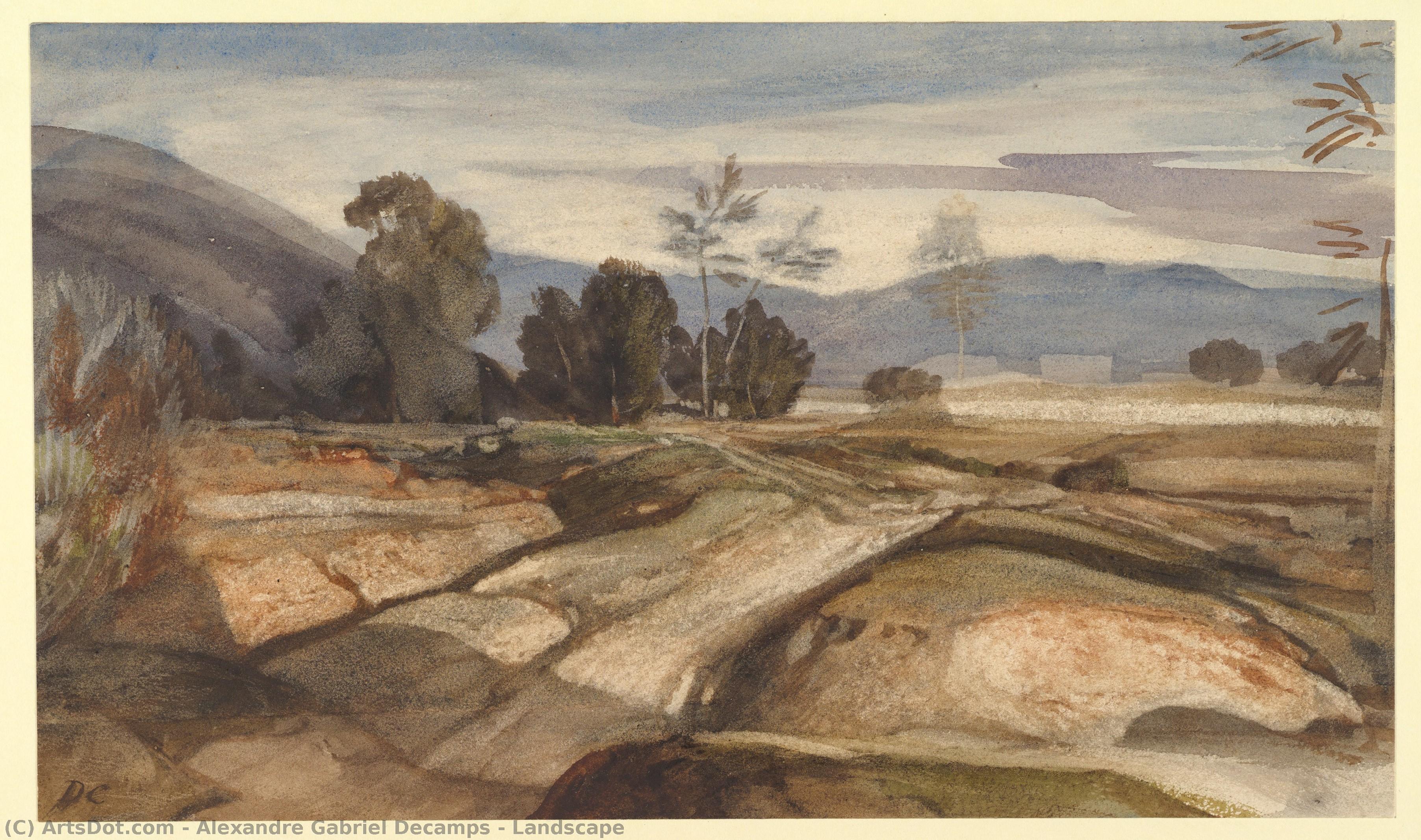
Landscape
Reprodukció mérete
Alexandre Gabriel Decamps (1803 – 1860) stands as an intriguing figure in the annals of French art history, a painter who dared to venture beyond the confines of academic tradition and embraced the burgeoning fascination with the Orient that characterized the Romantic era. Unlike his contemporaries preoccupied with grand historical narratives or idealized landscapes, Decamps possessed a singular vision—one rooted in meticulous observation and infused with a palpable emotional resonance that distinguishes him as a pioneer of Orientalist painting.
His artistic trajectory began amidst the intellectual fervor of Paris during the mid-19th century, where discussions surrounding Eastern cultures fueled imaginative explorations. Decamps wasn’t merely documenting distant lands; he sought to convey their atmosphere and spirit—the vibrant colors, exotic flora, and captivating rituals that captivated European sensibilities. This approach aligns perfectly with the Romantic movement's emphasis on subjective experience and emotional intensity.
“Landscape,” created in 1840, exemplifies this distinctive style. The painting portrays a rocky hillside adorned with trees—a motif frequently employed by Romantic artists to symbolize resilience and spiritual contemplation. Decamps’ masterful brushwork captures the interplay of light and shadow, conveying not just visual information but also an emotional sense of wonder and solitude. Notably displayed at The Metropolitan Museum of Art in New York City, this artwork serves as a poignant reminder of Decamps' ability to translate sensory experience into enduring artistic expression.
Beyond its aesthetic qualities, “Landscape” speaks to the broader cultural currents of its time. It reflects the Romantic fascination with the exotic—a desire to escape the constraints of bourgeois society and immerse oneself in experiences that stirred the imagination. Decamps’ depiction of a mountainous terrain imbued with vegetation is symbolic of overcoming obstacles and achieving spiritual enlightenment – themes central to Romantic thought.
The painting's muted palette contributes significantly to its emotional impact, fostering a contemplative mood that invites viewers to contemplate the beauty and grandeur of the natural world. Decamps skillfully utilizes watercolor’s transparency to create an ethereal quality, enhancing the sense of distance and conveying the sublime—a concept championed by Romantic philosophers like Edmund Burke.
Alexandre Gabriel Decamps’ “Landscape” remains an exceptional achievement—a testament to his artistic vision and a captivating illustration of Romantic painting's enduring legacy.


1803 - 1860 , Franciaország

Fedezze fel a 10 legikonikus impresszionista tájkép festményt! Monet, Renoir, Degas és más művészek remekművei. Vászonképek, faliképek otthonába – inspirálódjon Most-Famous-Paintings.com-on! Explore the full collection online.

Fedezze fel a 10 legikonikusabb akvarell festményt, melyek megváltoztatták a művészetet! Ismerje meg Turner, Monet és más mesterek történetét. Vásároljon prémium minőségű reprodukciókat a Most-Famous-Paintings.com-on – inspiráló faliképek otthonába!

Fedezze fel a romantikus tájképfestészet 10 legikonikusabb műalkotását! Caspar David Friedrich, J.M.W. Turner és más mesterek festményeinek története – inspiráló olajfestmények otthonába. Most-Famous-Paintings.com: múzeumi minőségű reprodukciók és egyedi dekorációk online.

Explore the captivating Orientalist paintings of Carl Haag (1820-1915). Discover his detailed watercolors, Victorian landscapes & spiritual themes. Expert insights for collectors and art enthusiasts at Most-Famous-Paintings.
Fedezze fel a 10 legikonikusabb tájkép festményt! Monet, Van Gogh és más mesterek művei inspirálnak. Művészeti reprodukciók magas minőségben – tökéletes dekoráció otthonába. Böngésszen Most-Famous-Paintings.com-on!


Maradjon naprakész a legfrissebb művészeti hírekkel, exkluzív ajánlatokkal és dekorációs ötletekkel.
Írja le nekünk projektjét, és művészeti szakértőink 3 személyre szabott műalkotási javaslatot készítenek Önnek.
Hagyjuk, hogy mi válogassunk ki Önnek 3 legjobb opciót – Ingyenesen!


 Megtekintés
 Küldés
 Megosztás
 Részletek

 Letöltés
 Hasonló darabok
 X-ray felvétel
 Diavetítés


 Összes részlet megjelenítése







 Az üvegkeretes opció csak 110 cm alatti méretben érhető el


