x

 Art Nouveau
 1902Early Modern
 56.0 x 22.0 cm
Múzeumi minőségű giclée vagy vászonnyomat, gyors gyártással és rugalmas finomítási lehetőségekkel. ( Kézzel festett másolat rendelése Kép letöltése)
Válasszon előre meghatározott méreteink közül, amelyek megfelelnek a műalkotás eredeti arányainak.

Megadhat saját méreteket is egy konkrét kerethez vagy helyszínhez igazítva. Amennyiben a kiválasztott méret nem egyezik az eredeti kép arányokkal, a műalkotást le fogjuk vágni, vagy kiegészítjük a képet tükrözött vagy egyszínű szélekkel. A gyártás megkezdése előtt egy digitális tervezetet küldünk jóváhagyásra.
Kérjük, vegye figyelembe, hogy a képernyőn látható előnézet nem tükrözi a tényleges levágást vagy kiegészítést. Csak a tervezet mutatja pontosan a végső kompozíciót.
Bár az egyedi méretek is elérhetőek, az eredeti arányok megőrzése érdekében azt javasoljuk, hogy válasszon a előre meghatározott listából származó méretet.
Világszerte történő kiszállítás területére mindössze 2 hét alatt, a szokásos 4-5 hét helyett. (20 augusztus)


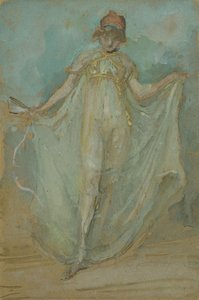
North Star
Reprodukció mérete
Alphonse Maria Mucha’s “North Star,” painted in 1902, is more than just a depiction of a woman contemplating her cell phone; it’s a potent distillation of the Art Nouveau movement at its zenith. This captivating piece, measuring 56 x 22 cm, transports us to a world where nature and elegance intertwine, reflecting Mucha's profound influence on decorative arts and his ability to capture idealized beauty with an almost ethereal quality. The painting’s serene composition, flowing lines, and rich color palette immediately evoke the spirit of a bygone era – a time when craftsmanship and artistic expression were valued above all else.
Mucha’s distinctive style is immediately recognizable. The elongated figure of the woman, draped in a flowing gown that cascades to her feet, embodies the movement and organic forms central to Art Nouveau. Notice how the lines aren't rigid or geometric; instead, they curve and swirl with an almost liquid grace – a deliberate rejection of the straight lines favored by earlier artistic movements. The circular motif surrounding the woman is not merely decorative; it’s a celestial element, subtly referencing the night sky and reinforcing the painting’s title. The use of muted tones—primarily creams, blues, and golds—further enhances this sense of dreamy elegance, characteristic of Mucha's palette.
Painted in 1902, “North Star” offers a fascinating glimpse into the anxieties and aspirations of early 20th-century Europe. The woman’s engagement with her cell phone – a detail seemingly incongruous within Mucha's style – subtly foreshadows the increasing influence of technology on modern life. However, it also speaks to the broader theme of beauty and contemplation. The Art Nouveau movement sought to elevate everyday objects and experiences through artistic design, and this painting exemplifies that ambition. Mucha’s work was deeply rooted in Czech national identity, drawing inspiration from Slavic folklore and traditions – a connection evident in his use of stylized forms and symbolic imagery.
Most-Famous-Paintings offers meticulously hand-painted reproductions of “North Star,” ensuring that you receive an artwork that captures the essence of Mucha’s original vision. Unlike digital prints, our reproductions are created by skilled artisans who employ traditional techniques – layering oil paints with painstaking detail and utilizing a similar color palette to the original. This process results in a piece that possesses depth, texture, and a remarkable sense of authenticity. Each reproduction is framed to complement the artwork’s aesthetic, creating a stunning addition to any interior space. Own a timeless masterpiece and experience the magic of Alphonse Mucha's "North Star" – a true testament to artistic brilliance.

Alphonse Maria Mucha, a name synonymous with the opulent beauty of Art Nouveau, was born on July 15, 1860, in the small Moravian town of Ivanačice. His early life, steeped in the traditions of his Czech homeland, laid the foundation for an artistic vision that would soon captivate Europe. From a young age, Alphonse displayed a remarkable talent for drawing – a gift nurtured by his family’s modest circumstances and a supportive local merchant who provided him with paper, a luxury at the time. This nascent skill blossomed into a passionate pursuit, leading him to study at the Academy of Fine Arts in Prague, though he quickly grew disillusioned with the academy's rigid adherence to classical conventions.
Seeking a more expressive and personal style, Mucha embarked on a journey to Paris in 1887. This move marked a pivotal moment, as it propelled him into the heart of the burgeoning Art Nouveau movement – a period characterized by its celebration of natural forms, flowing lines, and intricate ornamentation. Paris offered a vibrant artistic landscape, influenced by artists like Pierre-Auguste Renoir and Gustave Moreau, whose works subtly shaped Mucha’s developing aesthetic.
Alphonse Mucha's career took an extraordinary turn in 1894 when he was unexpectedly commissioned to design a poster for the play Gismonda, starring the legendary actress Sarah Bernhardt. This seemingly simple task ignited a phenomenal success that catapulted him to international fame. The poster, a masterpiece of Art Nouveau elegance featuring Bernhardt’s captivating image surrounded by swirling floral motifs, became an instant sensation and established what would become known as the “Mucha Style” – a distinctive blend of decorative beauty, stylized femininity, and graceful movement.
This collaboration with Bernhardt proved to be transformative. It launched a prolific period of poster design, magazine illustrations, and theatrical set designs, solidifying Mucha’s reputation as one of the foremost artists of his time. He continued to create stunning visuals for Bernhardt throughout the 1890s, further cementing his signature style.
The pinnacle of Mucha's early career arrived in 1900 with the invitation to decorate the Bosnia and Herzegovina Pavilion at the Universal Exposition in Paris. This prestigious commission brought him unprecedented international recognition. Alongside his work on the Bosnian pavilion, he collaborated on the Austrian Pavilion, showcasing his artistic versatility and expanding his influence across Europe. The sheer scale of these projects demonstrated Mucha’s ability to translate his distinctive style into grand, public displays – a testament to his growing reputation as a leading figure in the Art Nouveau movement.
Following his success in Paris, Charles Richard Crane, an American industrialist and passionate supporter of Slavic culture, recognized Mucha’s unique talent and provided him with substantial financial backing. This generous patronage enabled Mucha to embark on a monumental project – The Slav Epic (1912-1930) – a series of twenty large-scale paintings depicting the history and mythology of all the Slavic peoples. This ambitious undertaking, spanning nearly two decades, became Mucha’s magnum opus and remains one of the most significant works in his oeuvre. The *Slav Epic* is not merely a historical chronicle; it's a vibrant tapestry of cultural identity, rendered with Mucha’s signature elegance and symbolic richness.
Alphonse Mucha’s impact on art and design extends far beyond his individual creations. His distinctive Art Nouveau style profoundly influenced generations of artists, designers, and illustrators. His emphasis on decorative beauty, flowing lines, and idealized female figures continues to resonate today, evident in everything from graphic design to fashion. Furthermore, his work served as a powerful symbol of Czech national identity, particularly during the period of Czechoslovakia’s independence. Alphonse Mucha's legacy is not simply one of artistic brilliance; it’s a testament to the enduring power of beauty, symbolism, and cultural expression.

1860 - 1939 , Csehország

Explore the exquisite world of Victorian Illustration. Discover the masters of the Golden Age, from Arthur Rackham to Edmund Dulac, through an in-depth historical journey into the era's unparalleled detail and narrative artistry.


Maradjon naprakész a legfrissebb művészeti hírekkel, exkluzív ajánlatokkal és dekorációs ötletekkel.
Írja le nekünk projektjét, és művészeti szakértőink 3 személyre szabott műalkotási javaslatot készítenek Önnek.
Hagyjuk, hogy mi válogassunk ki Önnek 3 legjobb opciót – Ingyenesen!


 Megtekintés
 Küldés
 Megosztás
 Részletek

 Letöltés
 Hasonló darabok
 X-ray felvétel
 Diavetítés
 Összes részlet megjelenítése




































 Az üvegkeretes opció csak 110 cm alatti méretben érhető el