


x

Múzeumi minőségű giclée vagy vászonnyomat, gyors gyártással és rugalmas finomítási lehetőségekkel. ( Kézzel festett másolat rendelése Kép letöltése)





























Válasszon előre meghatározott méreteink közül, amelyek megfelelnek a műalkotás eredeti arányainak.

Megadhat saját méreteket is egy konkrét kerethez vagy helyszínhez igazítva. Amennyiben a kiválasztott méret nem egyezik az eredeti kép arányokkal, a műalkotást le fogjuk vágni, vagy kiegészítjük a képet tükrözött vagy egyszínű szélekkel. A gyártás megkezdése előtt egy digitális tervezetet küldünk jóváhagyásra.
Kérjük, vegye figyelembe, hogy a képernyőn látható előnézet nem tükrözi a tényleges levágást vagy kiegészítést. Csak a tervezet mutatja pontosan a végső kompozíciót.
Bár az egyedi méretek is elérhetőek, az eredeti arányok megőrzése érdekében azt javasoljuk, hogy válasszon a előre meghatározott listából származó méretet.
Világszerte történő kiszállítás területére mindössze 2 hét alatt, a szokásos 4-5 hét helyett. (21 augusztus)


The abyss
Reprodukció mérete
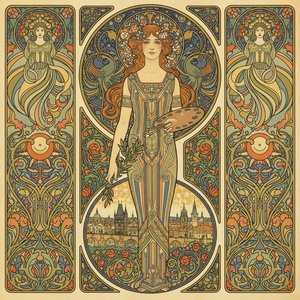
This arresting artwork immediately draws the viewer into a world of profound introspection. Dominated by a palette of muted browns, grays, and greens – punctuated by flashes of orange and red – “The Abyss” evokes a powerful sense of melancholy and isolation. The central figure, rendered in a deliberately ambiguous style, appears trapped within an undefined space, suggesting themes of psychological distress or a journey into the unknown. Its impact is not one of dramatic action, but rather a quiet, unsettling contemplation of inner turmoil.

The composition itself is key to the artwork’s evocative power. The central figure, slightly off-center, is framed by vertical lines – suggestive of walls or curtains – creating a strong sense of enclosure and confinement. This deliberate use of verticals reinforces the feeling of being trapped, mirroring the potential for psychological entrapment suggested by the title. The contrast between the dark foreground and the brighter background creates a dramatic lighting effect, highlighting the figure’s vulnerability while simultaneously obscuring details and adding to the overall mystery. The ambiguous perspective – lacking clear vanishing points or depth cues – further contributes to the dreamlike quality of the piece.
Clearly influenced by the distinctive Art Nouveau style of Alphonse Maria Mucha, “The Abyss” showcases flowing lines and organic forms, characteristic of the movement. While darker and more introspective than Mucha’s typical work, it retains his signature attention to detail and decorative elements. The technique employed – extensive blending of colors, creating soft transitions and minimizing sharp edges – suggests glazing techniques built up in layers, resulting in a textured surface that appears both hazy and richly detailed. This meticulous approach elevates the reproduction beyond mere replication; it captures the essence of Mucha’s artistic vision.
“The Abyss” transcends a simple depiction of a solitary figure; it taps into universal human emotions – despair, isolation, and the unsettling allure of the unknown. The title itself is profoundly symbolic, immediately associating the artwork with themes of darkness and uncertainty. Created during Mucha’s period of artistic exploration, this piece reflects a shift towards more introspective and emotionally charged subjects, anticipating the Symbolist movement's emphasis on psychological depth. It stands as a testament to Mucha’s ability to translate complex emotions into a visually arresting composition, offering a timeless meditation on the human condition.
Alphonse Maria Mucha, a name synonymous with the opulent beauty of Art Nouveau, was born on July 15, 1860, in the small Moravian town of Ivanačice. His early life, steeped in the traditions of his Czech homeland, laid the foundation for an artistic vision that would soon captivate Europe. From a young age, Alphonse displayed a remarkable talent for drawing – a gift nurtured by his family’s modest circumstances and a supportive local merchant who provided him with paper, a luxury at the time. This nascent skill blossomed into a passionate pursuit, leading him to study at the Academy of Fine Arts in Prague, though he quickly grew disillusioned with the academy's rigid adherence to classical conventions.
Seeking a more expressive and personal style, Mucha embarked on a journey to Paris in 1887. This move marked a pivotal moment, as it propelled him into the heart of the burgeoning Art Nouveau movement – a period characterized by its celebration of natural forms, flowing lines, and intricate ornamentation. Paris offered a vibrant artistic landscape, influenced by artists like Pierre-Auguste Renoir and Gustave Moreau, whose works subtly shaped Mucha’s developing aesthetic.
Alphonse Mucha's career took an extraordinary turn in 1894 when he was unexpectedly commissioned to design a poster for the play Gismonda, starring the legendary actress Sarah Bernhardt. This seemingly simple task ignited a phenomenal success that catapulted him to international fame. The poster, a masterpiece of Art Nouveau elegance featuring Bernhardt’s captivating image surrounded by swirling floral motifs, became an instant sensation and established what would become known as the “Mucha Style” – a distinctive blend of decorative beauty, stylized femininity, and graceful movement.
This collaboration with Bernhardt proved to be transformative. It launched a prolific period of poster design, magazine illustrations, and theatrical set designs, solidifying Mucha’s reputation as one of the foremost artists of his time. He continued to create stunning visuals for Bernhardt throughout the 1890s, further cementing his signature style.
The pinnacle of Mucha's early career arrived in 1900 with the invitation to decorate the Bosnia and Herzegovina Pavilion at the Universal Exposition in Paris. This prestigious commission brought him unprecedented international recognition. Alongside his work on the Bosnian pavilion, he collaborated on the Austrian Pavilion, showcasing his artistic versatility and expanding his influence across Europe. The sheer scale of these projects demonstrated Mucha’s ability to translate his distinctive style into grand, public displays – a testament to his growing reputation as a leading figure in the Art Nouveau movement.
Following his success in Paris, Charles Richard Crane, an American industrialist and passionate supporter of Slavic culture, recognized Mucha’s unique talent and provided him with substantial financial backing. This generous patronage enabled Mucha to embark on a monumental project – The Slav Epic (1912-1930) – a series of twenty large-scale paintings depicting the history and mythology of all the Slavic peoples. This ambitious undertaking, spanning nearly two decades, became Mucha’s magnum opus and remains one of the most significant works in his oeuvre. The *Slav Epic* is not merely a historical chronicle; it's a vibrant tapestry of cultural identity, rendered with Mucha’s signature elegance and symbolic richness.
Alphonse Mucha’s impact on art and design extends far beyond his individual creations. His distinctive Art Nouveau style profoundly influenced generations of artists, designers, and illustrators. His emphasis on decorative beauty, flowing lines, and idealized female figures continues to resonate today, evident in everything from graphic design to fashion. Furthermore, his work served as a powerful symbol of Czech national identity, particularly during the period of Czechoslovakia’s independence. Alphonse Mucha's legacy is not simply one of artistic brilliance; it’s a testament to the enduring power of beauty, symbolism, and cultural expression.

1860 - 1939 , Csehország
Explore the life & art of Alphonse Mucha, master of Art Nouveau! Discover his iconic posters, stunning illustrations, and the monumental Slav Epic. A comprehensive guide for collectors & enthusiasts.

Fedezze fel a 10 leghíresebb festményt, melyeket az olívazöld árnyalatok dominálnak! Reneszánsz remekművektől a modern művészetig – ismerje meg a mestereket és inspirálódjon otthon dekorációjához. Museum-minőségű reprodukciók a Most-Famous-Paintings.com-on!

Explore the art of transforming spaces with our comprehensive guide to wall decor. From historical movements to contemporary trends, discover how to curate impactful interiors and commission bespoke artwork for a truly personalized aesthetic.

Fedezze fel a 10 legikonikusabb festményt, melyeket a rózsaszínbarna árnyalatok uralnak! Ismerje meg Rembrandt, Monet és más mesterek alkotásait. Művészettörténet, inspiráció otthon dekorációhoz – Most-Famous-Paintings.com kínálatában megtalálja álmai faliképét. Böngéssze a teljes gyűjteményt online!

Fedezze fel a 10 legikonikusabb Art Nouveau műalkotást! Ismerje meg Alphonse Mucha, Gustav Klimt és más mesterek történetét. Szecessziós festmények, plakátok és dekorációk – inspirálódjon otthona számára a Most-Famous-Paintings.com-on!


Maradjon naprakész a legfrissebb művészeti hírekkel, exkluzív ajánlatokkal és dekorációs ötletekkel.
Írja le nekünk projektjét, és művészeti szakértőink 3 személyre szabott műalkotási javaslatot készítenek Önnek.
Hagyjuk, hogy mi válogassunk ki Önnek 3 legjobb opciót – Ingyenesen!


 Megtekintés
 Küldés
 Megosztás
 Részletek

 Letöltés
 Hasonló darabok
 X-ray felvétel
 Diavetítés

 Összes részlet megjelenítése







 Az üvegkeretes opció csak 110 cm alatti méretben érhető el


