


x

Kézzel festett olajvastú vászon, az Ön által választott méretben és keretben, művészeink készítik meglévőre. ( Váltás nyomtatványra Képváltás)





























Válasszon előre meghatározott méreteink közül, amelyek megfelelnek a műalkotás eredeti arányainak.

Ön megadhat saját méreteket egy adott kerethez vagy térhez igazításhoz. Ha a kiválasztott méret nem egyezik az eredeti kép arányával, akkor a műalkotást levágjuk, vagy további kézzel festett elemekkel meghosszabbítjuk a festményt. A gyártás megkezdése előtt küldünk Önnek egy digitális előnézetet jóváhagyásra.
Kérjük, vegye figyelembe, hogy a képernyőn megjelenő előnézet nem tükrözi a tényleges vágást vagy kiterjesztést. Csak az előnézet fog pontosan mutatni a végső kompozíciót.
Bár egyedi méretek állnak rendelkezésre, javasoljuk, hogy válasszon egy méretet az előre meghatározott listából az eredeti arányok megőrzése érdekében.
Világszerte elérhető szállítás () 3-4 hét alatt a szokásos 5 hét helyett. (5 augusztus). A minőség nem kérdőjelezhető.


Charing Cross Bridge
A reprodukció mérete
André Derain's Charing Cross Bridge (1906) isn't merely a depiction of a London thoroughfare; it’s a visceral explosion of color and emotion, a cornerstone of the revolutionary Fauvist movement. Painted during a pivotal moment in art history – a time when Impressionism was yielding to bolder, more subjective expression – this work captures the dynamism of urban life with an intensity rarely seen before. The painting, currently residing within the esteemed collection at the Musée d'Orsay in Paris, offers a captivating glimpse into the artistic fervor that defined early 20th-century modernism.
Born in 1880 in Chatou, France, André Derain’s journey began independently before his fateful encounter with Henri Matisse. This meeting ignited a collaborative spirit that would profoundly shape the development of Fauvism. The movement emerged as a direct response to Impressionism's focus on capturing fleeting moments of light and atmosphere. While Impressionists sought to represent optical reality, the Fauves – meaning “wild beasts” – deliberately distorted color to convey emotion and subjective experience. Derain’s Charing Cross Bridge exemplifies this approach; the colors aren’t intended to accurately depict the scene but rather to evoke a feeling of energy, movement, and perhaps even a sense of unease.
Derain's compositional choices amplify the painting's emotional impact. The bridge itself acts as a strong diagonal element, guiding the viewer’s eye through the scene. The placement of figures – strategically positioned to create depth and perspective – further enhances this dynamic flow. The artist’s brushwork is particularly noteworthy; it’s loose, gestural, and deliberately unrefined, contributing to the painting's raw energy. Notice how he uses thick impasto—layers of paint applied with considerable texture—to build up form and intensify color. This technique adds a tactile quality to the work, inviting viewers to engage with the surface on a deeper level.
Beyond its technical brilliance, Charing Cross Bridge carries symbolic weight. The bustling scene represents the rapid pace of industrialization and urbanization that was transforming Europe at the turn of the century. Derain’s influence extended far beyond his own time; he played a crucial role in shaping the course of modern art, inspiring subsequent generations of artists like Pablo Picasso and Georges Braque. His work remains a testament to the power of color and emotion in artistic expression, solidifying its place as a landmark achievement within the history of modern art.


1880 - 1954 , Franciaország

Fedezze fel a Metropolitan Művészeti Múzeum 25 legikonikusabb műalkotását! Monet, Van Gogh, Rembrandt és más mesterek remekműveinek történeteit olvassa el. Inspirálódjon otthon dekorációjához – magas minőségű festmény reprodukciók a Most-Famous-Paintings.com-on!
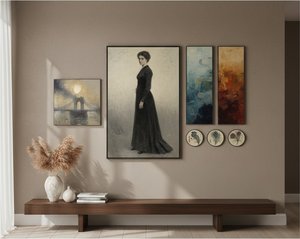
Fedezze fel James Abbott McNeill Whistler 25 legszebb művét! Ismerje meg a Nocturnok, portrék és az amerikai impresszionizmus mesterét. Elegáns faliképek otthonába – Most-Famous-Paintings.com kínálatából. Böngésszen online!
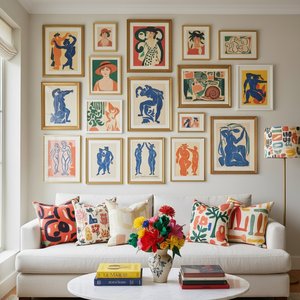
Fedezze fel Henri Matisse 25 legikonikusabb művét! Ismerje meg a fauvizmus színeit, az expresszionizmus formáit és a modern művészet mesterének életművét. Vászonképek, nyomatok – inspiráció otthonába a Most-Famous-Paintings.com-on!
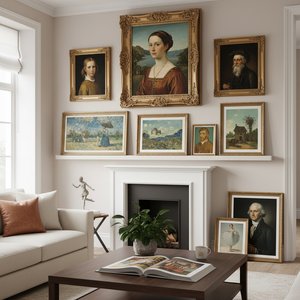
Fedezze fel a National Gallery Washington 25 legikonikusabb műalkotását! Cézanne, Matisse és Picasso remekművei – történetükkel, technikájukkal. Inspirálódjon festményekből otthona dekorációjához. Museum-minőségű reprodukciók a Most-Famous-Paintings.com oldalon!
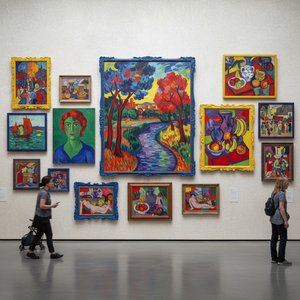
Fedezze fel a Fauvizmus 10 legikonikusabb műalkotását! Matisse, Derain és más festők színes világa várja Önt. Ismerje meg a modern művészet történetét és inspirálódjon otthona dekorációjához. Most-Famous-Paintings.com - Múzeumi minőségű reprodukciók online!


Maradjon naprakész a legfrissebb művészeti hírekkel, exkluzív ajánlatokkal és dekorációs ötletekkel.
Írja le nekünk projektjét, és művészeti szakértőink 3 személyre szabott műalkotási javaslatot készítenek Önnek.
Hagyjuk, hogy mi válogassunk ki Önnek 3 legjobb opciót – Ingyenesen!


 Előnézet
 Megosztás
 Megosztás
 Részletek

 Letöltés
 Hasonló alkotások
 X-ray felvétel
 Diavetítés


 Tovább olvasom







 Az üvegkeretes opció csak 110 cm alatti méretben érhető el


