x

 Acrylic On CanvasWallArtBaroque
 1597Renaissance
 60.0 x 55.0 cm
Múzeumi minőségű giclée vagy vászonnyomat, gyors gyártással és rugalmas finomítási lehetőségekkel. ( Kézzel festett másolat rendelése Kép letöltése)





























Válasszon előre meghatározott méreteink közül, amelyek megfelelnek a műalkotás eredeti arányainak.

Megadhat saját méreteket is egy konkrét kerethez vagy helyszínhez igazítva. Amennyiben a kiválasztott méret nem egyezik az eredeti kép arányokkal, a műalkotást le fogjuk vágni, vagy kiegészítjük a képet tükrözött vagy egyszínű szélekkel. A gyártás megkezdése előtt egy digitális tervezetet küldünk jóváhagyásra.
Kérjük, vegye figyelembe, hogy a képernyőn látható előnézet nem tükrözi a tényleges levágást vagy kiegészítést. Csak a tervezet mutatja pontosan a végső kompozíciót.
Bár az egyedi méretek is elérhetőek, az eredeti arányok megőrzése érdekében azt javasoljuk, hogy válasszon a előre meghatározott listából származó méretet.
Világszerte történő kiszállítás területére mindössze 2 hét alatt, a szokásos 4-5 hét helyett. (19 augusztus)


Medusa
Reprodukció mérete
Caravaggio's Medusa, painted in 1597, is a chilling and captivating work that exemplifies the dramatic intensity of the Baroque period. Housed within the Uffizi Gallery in Florence, Italy, this oil on canvas (60 x 55 cm) depicts the mythological Gorgon Medusa after her decapitation by Perseus. More than just a depiction of a monster, it's considered by many to be a profound self-portrait and a meditation on mortality, violence, and artistic creation.
Caravaggio (Michelangelo Merisi) was a revolutionary figure in the late 16th and early 17th centuries. Emerging as a response to the Renaissance's emphasis on idealized beauty, the Baroque style embraced drama, emotion, and realism. Caravaggio’s signature technique, chiaroscuro – the stark contrast between light and shadow – is central to this work. He didn't rely on gradual shading; instead, he used intense pools of light illuminating specific areas while plunging others into deep darkness. This heightened the emotional impact and created a sense of immediacy that was unprecedented at the time. His influence extended to artists like Peter Paul Rubens and Jusepe de Ribera, shaping the course of Western art.
The painting presents a close-up view of Medusa’s severed head. Her face is contorted in a scream of agony, her mouth agape, revealing a visceral sense of horror and pain. The snakes that once formed her hair writhe around her head, some near her eyes and others closer to her mouth, adding to the unsettling effect. The circular background isolates Medusa’s head, intensifying the focus on her expression and the gruesome details of her decapitation. What is particularly striking is the realism with which Caravaggio renders the blood flowing from the severed neck and the intricate details of her facial features – a testament to his mastery of observation and execution. The painting was executed on a convex shield, adding another layer of complexity to its composition and visual impact.
Beyond the mythological narrative, Medusa is widely interpreted as a self-portrait by Caravaggio. Art historians believe he used his own features for Medusa’s face, imbuing the painting with a deeply personal dimension. This interpretation suggests that Caravaggio was exploring themes of mortality and artistic vulnerability. The act of depicting himself in such a gruesome form could be seen as an acknowledgement of the artist's own struggles and perhaps even a premonition of his turbulent life and early death. The shield itself, referencing Perseus’s protective device, might symbolize the artist’s attempt to confront and control the darker aspects of human nature and his own creative process.
Caravaggio's impact on art history is undeniable. His innovative use of chiaroscuro and his commitment to realism transformed painting, influencing generations of artists. Beyond Medusa, other notable works by Caravaggio include Bacchus, a depiction of the Roman god reclining in classical fashion, and The Sacrifice of Isaac, another dramatic exploration of biblical narrative through light and shadow. These works, like Medusa, demonstrate his ability to capture raw emotion and human drama with unparalleled intensity.

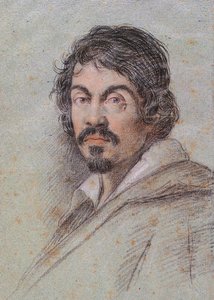
1571 - 1610 , Spanyolország
Fedezze fel a barokk művészet 10 legpártosabb remekművét! Caravaggio, Rembrandt és Vermeer alkotásainak története – Most-Famous-Paintings.com kínálatában exkluzív reprodukciók és inspiráló dekorációs ötletek várják Önt. Nézze meg most!

Embark on a sophisticated journey through Italian Baroque art. Discover the dramatic interplay of light and emotion in Caravaggio’s masterpieces and explore how to bring this timeless grandeur into your collection with expert art insights.

Explore the dramatic world of Baroque art! Discover iconic masters like Caravaggio & Rembrandt, their techniques, and the movement's lasting impact. Expert insights for collectors & enthusiasts at Most-Famous-Paintings.

Explore the revolutionary realism of Caravaggio! Discover his mastery of light & shadow (tenebrism), dramatic religious scenes, and lasting influence on Baroque art history. A comprehensive guide for art enthusiasts.

Explore the dramatic world of Baroque art! Discover iconic artists like Caravaggio & Rubens, defining techniques, and its lasting impact on art history. Expert insights for collectors & enthusiasts at Most-Famous-Paintings.


Maradjon naprakész a legfrissebb művészeti hírekkel, exkluzív ajánlatokkal és dekorációs ötletekkel.
Írja le nekünk projektjét, és művészeti szakértőink 3 személyre szabott műalkotási javaslatot készítenek Önnek.
Hagyjuk, hogy mi válogassunk ki Önnek 3 legjobb opciót – Ingyenesen!


 Megtekintés
 Küldés
 Megosztás
 Részletek

 Letöltés
 Hasonló darabok
 X-ray felvétel
 Diavetítés
 Összes részlet megjelenítése







 Az üvegkeretes opció csak 110 cm alatti méretben érhető el