x

Kézzel festett olajvastú vászon, az Ön által választott méretben és keretben, művészeink készítik meglévőre. ( Nyomat rendelése Kép letöltése)





























Válasszon előre meghatározott méreteink közül, amelyek megfelelnek a műalkotás eredeti arányainak.

Ön megadhat saját méreteket egy adott kerethez vagy térhez igazításhoz. Ha a kiválasztott méret nem egyezik az eredeti kép arányával, akkor a műalkotást levágjuk, vagy további kézzel festett elemekkel meghosszabbítjuk a festményt. A gyártás megkezdése előtt küldünk Önnek egy digitális előnézetet jóváhagyásra.
Kérjük, vegye figyelembe, hogy a képernyőn megjelenő előnézet nem tükrözi a tényleges vágást vagy kiterjesztést. Csak az előnézet fog pontosan mutatni a végső kompozíciót.
Bár egyedi méretek állnak rendelkezésre, javasoljuk, hogy válasszon egy méretet az előre meghatározott listából az eredeti arányok megőrzése érdekében.
Világszerte elérhető szállítás () 3-4 hét alatt a szokásos 5 hét helyett. (19 augusztus). A minőség nem kérdőjelezhető.


untitled (9315)
Reprodukció mérete
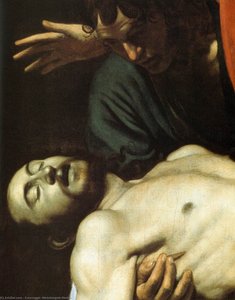
Caravaggio's “Untitled (9315)” is not merely a depiction of a crucifixion; it is an unflinching confrontation with human suffering, faith, and the raw emotions that accompany both. This stark black-and-white image, likely created around 1604-1606 during his Roman period, embodies the artist’s revolutionary approach to religious painting – a departure from idealized representations towards a brutally honest portrayal of reality. The scene unfolds with an almost theatrical intensity, capturing a moment of profound anguish and contemplation within a crowd of onlookers. The figure of Christ, lying prone on the cross, is rendered with a visceral realism that anticipates the dramatic sensibilities of the Baroque era. His extended limbs, contorted in pain, speak volumes about the physical agony endured, while his face, though obscured, suggests a deep sense of resignation and acceptance.
Caravaggio’s genius lies primarily in his masterful manipulation of light and shadow – a technique known as *chiaroscuro*. Here, the stark contrast between intensely illuminated areas and deep, enveloping darkness isn't simply an aesthetic choice; it is a fundamental element of the narrative. The brilliant illumination focuses solely on Christ and a select few figures surrounding him, drawing immediate attention to their plight while simultaneously plunging the rest of the scene into impenetrable shadow. This dramatic effect amplifies the emotional impact, creating a sense of claustrophobia and intensifying the viewer’s empathy for the suffering figure. The use of tenebrism – extreme contrasts between light and dark – was revolutionary at the time, pushing the boundaries of artistic representation and imbuing the work with an almost supernatural quality.
Created during a period of intense religious fervor in Rome, “Untitled (9315)” reflects the Counter-Reformation’s emphasis on emotional engagement with faith. Caravaggio's work was intended to provoke a visceral response in the viewer, urging them to contemplate the sacrifice of Christ and its implications for their own lives. The surrounding figures – men and women of varying ages and social standing – represent the diverse range of humanity witnessing this pivotal event. Their expressions, though ambiguous, suggest a spectrum of emotions: sorrow, contemplation, perhaps even a touch of morbid fascination. The inclusion of onlookers highlights the universality of suffering and the enduring power of faith in the face of adversity.
“Untitled (9315)” transcends its religious subject matter to become a timeless meditation on human vulnerability and resilience. Caravaggio’s unflinching realism, combined with his dramatic use of light and shadow, creates an image that is both profoundly moving and intellectually stimulating. It's a work that demands attention, prompting viewers to confront uncomfortable truths about mortality, faith, and the nature of suffering. This painting represents a cornerstone in the development of Baroque art, influencing generations of artists who followed in Caravaggio’s footsteps. A hand-painted reproduction offers an unparalleled opportunity to experience the full force of this iconic masterpiece within your own space.

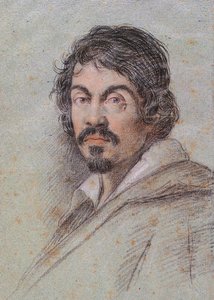
1571 - 1610 , Spanyolország

Explore the profound artistry of black and white photography. From the chemistry of gelatin silver to the chiaroscuro of the Old Masters, discover how monochrome captures the eternal essence of light, form, and emotion for the discerning art collector.

Explore the dramatic world of Italian Baroque art. Discover how masters like Caravaggio used chiaroscuro and tenebrism to revolutionize painting through light, shadow, and profound realism. A definitive guide for history lovers and art collectors.


Maradjon naprakész a legfrissebb művészeti hírekkel, exkluzív ajánlatokkal és dekorációs ötletekkel.
Írja le nekünk projektjét, és művészeti szakértőink 3 személyre szabott műalkotási javaslatot készítenek Önnek.
Hagyjuk, hogy mi válogassunk ki Önnek 3 legjobb opciót – Ingyenesen!


 Megtekintés
 Küldés
 Megosztás
 Részletek

 Letöltés
 Hasonló darabok
 X-ray felvétel
 Diavetítés
 Összes részlet megjelenítése







 Az üvegkeretes opció csak 110 cm alatti méretben érhető el