x

 Acrylic On CanvasWallArtSurrealist Homage
 1962
1962 267.0 x 302.0 cm
 Metropolitan Művészeti Múzeum
Múzeumi minőségű giclée vagy vászonnyomat, gyors gyártással és rugalmas finomítási lehetőségekkel. ( Kézzel festett másolat rendelése Kép letöltése)





























Válasszon előre meghatározott méreteink közül, amelyek megfelelnek a műalkotás eredeti arányainak.

Megadhat saját méreteket is egy konkrét kerethez vagy helyszínhez igazítva. Amennyiben a kiválasztott méret nem egyezik az eredeti kép arányokkal, a műalkotást le fogjuk vágni, vagy kiegészítjük a képet tükrözött vagy egyszínű szélekkel. A gyártás megkezdése előtt egy digitális tervezetet küldünk jóváhagyásra.
Kérjük, vegye figyelembe, hogy a képernyőn látható előnézet nem tükrözi a tényleges levágást vagy kiegészítést. Csak a tervezet mutatja pontosan a végső kompozíciót.
Bár az egyedi méretek is elérhetőek, az eredeti arányok megőrzése érdekében azt javasoljuk, hogy válasszon a előre meghatározott listából származó méretet.
Világszerte történő kiszállítás területére mindössze 2 hét alatt, a szokásos 4-5 hét helyett. (14 augusztus)


Dutch Interior
Reprodukció mérete
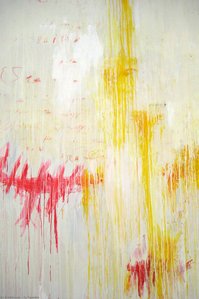
Cy Twombly's 1962 painting, *Dutch Interior*, isn’t merely a depiction of a room; it’s an immersive experience, a layered meditation on the act of creation itself. Emerging from a spacious studio in central Rome—a space that liberated him from the constraints of smaller formats—Twombly embarked on a work that immediately challenged conventional notions of representation. The painting’s genesis is inextricably linked to this new environment; it feels less like a finished product and more like an ongoing, almost frantic, dialogue with the ancient walls of the Eternal City – a conversation etched in layers of graphite, wax crayon, and oil paint.
The title itself—a deliberate homage to the Dutch Golden Age—immediately establishes a historical framework. Twombly wasn’t simply replicating a scene; he was engaging with the spirit of seventeenth-century Dutch interior paintings, those meticulously rendered depictions of domestic life that captured a specific cultural sensibility. However, this engagement is far from straightforward imitation. Instead, it's a complex negotiation, a playful subversion of established conventions. The painting becomes a palimpsest—a layered text where the echoes of Vermeer and Rembrandt mingle with Twombly’s own unique visual language.
What immediately strikes the viewer is the apparent chaos – the accumulation of seemingly disparate marks. Scribbles, smears, hastily scrawled numbers, and biomorphic forms coalesce on the canvas, creating a surface that resists easy interpretation. This isn’t the product of a single, deliberate act; rather, it suggests multiple hands at work, a collective energy channeled through Twombly's brush. The technique is deliberately raw and unrefined – a rejection of polished surfaces in favor of an immediate, visceral impact.
Twombly’s masterful use of media further complicates the narrative. Pencil provides a skeletal framework, wax crayon introduces a tactile warmth, and oil paint adds depth and luminosity. The layering is crucial; each medium interacts with the others, creating subtle shifts in texture and tone. The artist frequently incorporated his own physical presence into the work – fingerprints, smudges, even what appear to be handprints—transforming the canvas into a record of his creative process, a tangible manifestation of his engagement with the artwork.
Beyond the purely visual, *Dutch Interior* is rich in symbolic resonance. The inclusion of clocks, chairs, and vases—familiar objects from a domestic setting—only serves to heighten the sense of unease and disorientation. These elements are not rendered with precision or detail; instead, they’re fragmented, distorted, and imbued with an unsettling ambiguity. The numbers scrawled across the canvas – often in a vertical arrangement – add another layer of complexity, hinting at both order and chaos.
Furthermore, Twombly's frequent references to his own body—the fingerprints, handprints—suggest a profound sense of self-awareness. The painting becomes a meditation on identity, on the act of representation, and on the elusive nature of the creative process. It’s as if Twombly is grappling with his own presence within the artwork, attempting to capture not just an image but also the very essence of his being.
Ultimately, *Dutch Interior* resists easy categorization or definitive interpretation. It’s a painting that demands engagement, inviting viewers to lose themselves in its layers of complexity and ambiguity. The work possesses a haunting beauty—a sense of melancholy and introspection—that lingers long after the initial viewing. It's a testament to Twombly's ability to create art that is both deeply personal and universally resonant, a powerful reminder of the enduring mysteries of human experience.


1928 - 2011 , Egyesült Államok

Explore the dramatic mastery of the Dutch Baroque era. Discover how masters like Rembrandt used chiaroscuro to transform everyday life into timeless art. An expert guide for collectors and enthusiasts seeking to understand the profound interplay of light and shadow.
Explore the profound emotional depth of Lyrical Abstraction. Discover how masters like Raymond Parker used color and form to bridge Impressionism and Abstract Expressionism. Learn about this pivotal movement through our expert-led art history guide.

Discover the profound emotional depth and investment potential of contemporary abstraction. Our expert guide explores how texture, movement, and form create timeless value for discerning art collectors and sophisticated interiors.

Explore the profound emotional depth of Color Field painting. Discover the history of mid-century abstraction, from Rothko to Newman, and learn how pure color transforms the viewer's experience through our expert art history guide.


Maradjon naprakész a legfrissebb művészeti hírekkel, exkluzív ajánlatokkal és dekorációs ötletekkel.
Írja le nekünk projektjét, és művészeti szakértőink 3 személyre szabott műalkotási javaslatot készítenek Önnek.
Hagyjuk, hogy mi válogassunk ki Önnek 3 legjobb opciót – Ingyenesen!


 Megtekintés
 Küldés
 Megosztás
 Részletek

 Letöltés
 Hasonló darabok
 X-ray felvétel
 Diavetítés
 Összes részlet megjelenítése







 Az üvegkeretes opció csak 110 cm alatti méretben érhető el