


x

 Acrylic On CanvasWallArtDeconstructivist Architecture
 1988
1988 239.0 x 548.0 cm
 Serpentine Galleries
Múzeumi minőségű giclée vagy vászonnyomat, gyors gyártással és rugalmas finomítási lehetőségekkel. ( Kézzel festett másolat rendelése Kép letöltése)





























Válasszon előre meghatározott méreteink közül, amelyek megfelelnek a műalkotás eredeti arányainak.

Megadhat saját méreteket is egy konkrét kerethez vagy helyszínhez igazítva. Amennyiben a kiválasztott méret nem egyezik az eredeti kép arányokkal, a műalkotást le fogjuk vágni, vagy kiegészítjük a képet tükrözött vagy egyszínű szélekkel. A gyártás megkezdése előtt egy digitális tervezetet küldünk jóváhagyásra.
Kérjük, vegye figyelembe, hogy a képernyőn látható előnézet nem tükrözi a tényleges levágást vagy kiegészítést. Csak a tervezet mutatja pontosan a végső kompozíciót.
Bár az egyedi méretek is elérhetőek, az eredeti arányok megőrzése érdekében azt javasoljuk, hogy válasszon a előre meghatározott listából származó méretet.
Világszerte történő kiszállítás területére mindössze 2 hét alatt, a szokásos 4-5 hét helyett. (20 augusztus)


Metropolis
Reprodukció mérete
Zaha Hadid’s “Metropolis,” painted in 1988, isn’t merely a cityscape; it’s a visceral representation of urban anxiety and the relentless expansion of modern life. Created during a pivotal period of her architectural career – a time when she was forging a radical new aesthetic that defied conventional spatial thinking – the painting captures a frenetic energy rarely found in traditional cityscapes. It's a work brimming with dynamism, a fever dream rendered in acrylic on canvas, and a surprisingly intimate reflection on the complexities of urban existence.
Hadid’s early artistic explorations were deeply rooted in mathematics and geometry, disciplines she approached with an almost obsessive precision. This intellectual rigor is immediately apparent in “Metropolis.” The city isn't presented as a harmonious whole but rather as a fractured mosaic of interconnected villages, each pulsating with its own distinct rhythm. These individual units – rendered in varying shades of red, ochre, and yellow – seem to be vying for dominance, creating a sense of chaotic competition. The River Thames, a vital artery of London, is depicted as a vibrant orange streak, acting as both a divider and a connector between these disparate zones.
The painting’s style is undeniably deconstructivist, anticipating many of the principles that would later define Hadid's architectural designs. The sharp angles, fragmented forms, and deliberate distortions challenge traditional notions of perspective and spatial coherence. Unlike a realistic depiction, “Metropolis” prioritizes emotional impact over photographic accuracy. Hadid employs bold brushstrokes and layered colors to build up texture and create a sense of movement—as if the city itself is constantly shifting and evolving.
Technically, the painting showcases Hadid’s early experimentation with acrylic on canvas. The medium lends itself beautifully to her fluid, dynamic style, allowing for both precise detailing and broad washes of color. Notice how she uses layering – building up colors in thin glazes—to create a luminous quality and suggest depth within the fragmented composition. The deliberate use of red isn’t simply decorative; it's symbolic, representing the intensity, urgency, and even the potential danger inherent in urban life.
“Metropolis” is rich with symbolism, offering a commentary on the social and psychological pressures of modern city living. The prevalence of red—often associated with fire, passion, and conflict—suggests a simmering tension beneath the surface of the urban landscape. The individual villages represent not just physical spaces but also distinct communities, each grappling with its own challenges and aspirations. The painting subtly critiques the homogenization of urban experience, highlighting the fragmentation and isolation that can arise within densely populated areas.
Despite its somewhat unsettling depiction, “Metropolis” is ultimately a powerful and evocative work. It’s not simply a portrayal of London; it's an exploration of the human condition—our desire for connection, our struggles with identity, and our constant negotiation with the overwhelming forces of urban life. The painting invites viewers to contemplate their own relationship to the city, prompting questions about its beauty, its chaos, and its enduring allure.
Today, “Metropolis” stands as a testament to Zaha Hadid’s visionary talent and her profound impact on contemporary art and architecture. High-quality reproductions capture much of the original's dynamism and emotional intensity, offering a compelling addition to any collection or interior space. When selecting a reproduction, consider the materials used – archival quality prints on canvas or fine art paper will ensure that the colors remain vibrant for years to come, preserving the essence of this remarkable work.


1950 - 2016 , Irak

Explore the rich symbolism of the red dress in art history! From ancient power displays to iconic portraits like Cézanne’s 'Madame Cezanne', discover the cultural and artistic significance behind this captivating color. Expert analysis & insights.

Explore the rich history of birds in painting! Discover symbolism, artistic movements & master artists like Audubon. High-quality reproductions available at Most-Famous-Paintings.
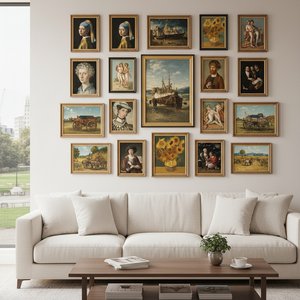
Fedezze fel a National Gallery London 25 legikonikusabb remekművét! Monet, Van Gogh és más mesterek festményeinek történeteit olvassa el. Inspirálja otthonát klasszikus művészettel – Most-Famous-Paintings.com.

Explore the evolution of cityscape painting from historical maps to Impressionist masterpieces. Discover artists like Caillebotte, Utrillo & Matsumoto Shunsuke. Find museum-quality reproductions at Most-Famous-Paintings.
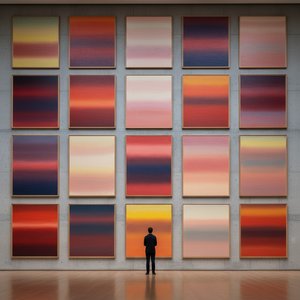
Fedezze fel Mark Rothko 25 legikonikusabb művét! Ismerje meg az absztrakt expresszionizmus mesterének érzelmi világát, színeit és technikáit. Múzeumi minőségű reprodukciók a Most-Famous-Paintings-on – inspirálja otthonát egyedi faliképekkel! Explore the full collection online.


Maradjon naprakész a legfrissebb művészeti hírekkel, exkluzív ajánlatokkal és dekorációs ötletekkel.
Írja le nekünk projektjét, és művészeti szakértőink 3 személyre szabott műalkotási javaslatot készítenek Önnek.
Hagyjuk, hogy mi válogassunk ki Önnek 3 legjobb opciót – Ingyenesen!


 Megtekintés
 Küldés
 Megosztás
 Részletek

 Letöltés
 Hasonló darabok
 X-ray felvétel
 Diavetítés
 Összes részlet megjelenítése







 Az üvegkeretes opció csak 110 cm alatti méretben érhető el


