


x
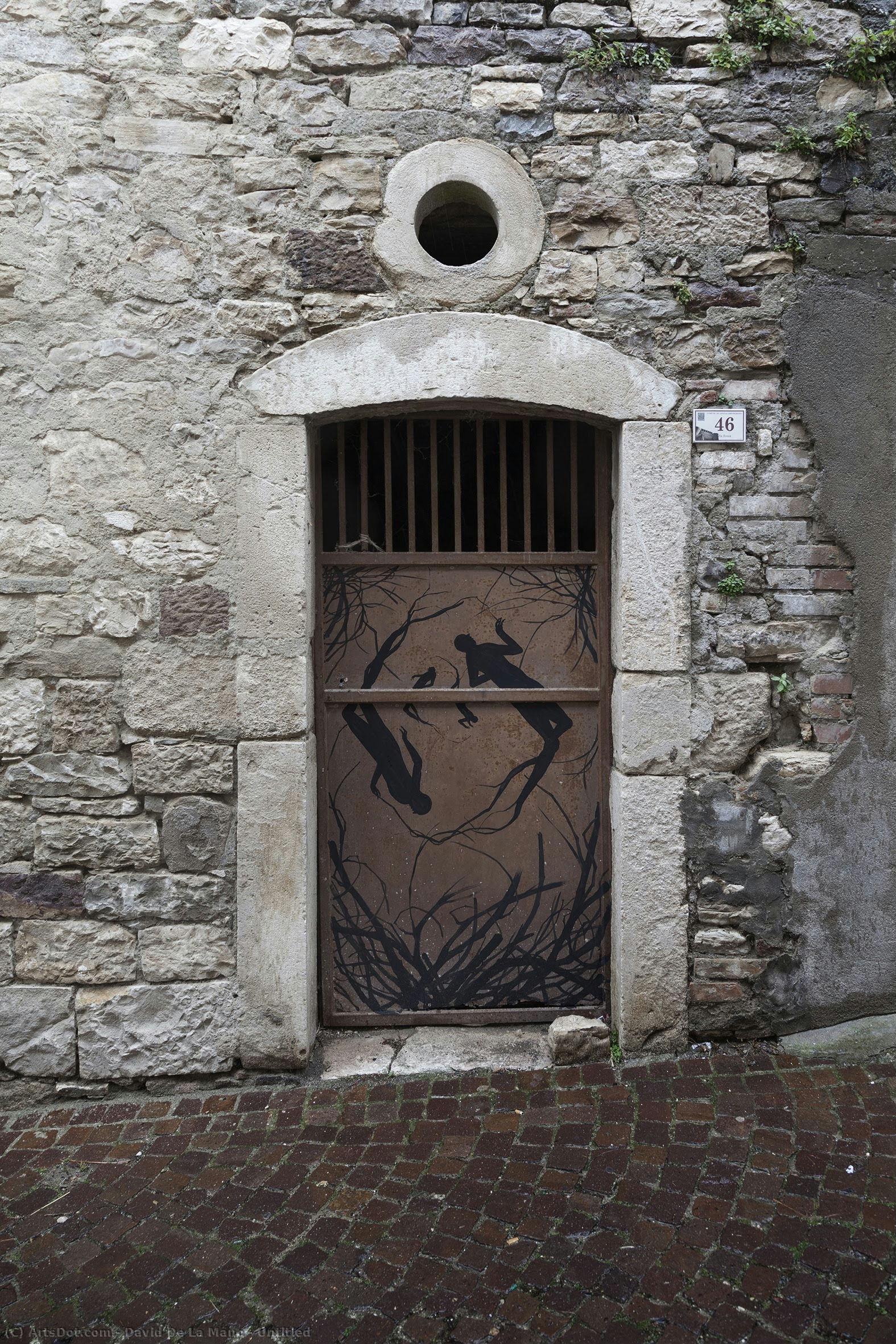
Kézzel festett olajvastú vászon, az Ön által választott méretben és keretben, művészeink készítik meglévőre. ( Nyomat rendelése Kép letöltése)
Válasszon előre meghatározott méreteink közül, amelyek megfelelnek a műalkotás eredeti arányainak.

Ön megadhat saját méreteket egy adott kerethez vagy térhez igazításhoz. Ha a kiválasztott méret nem egyezik az eredeti kép arányával, akkor a műalkotást levágjuk, vagy további kézzel festett elemekkel meghosszabbítjuk a festményt. A gyártás megkezdése előtt küldünk Önnek egy digitális előnézetet jóváhagyásra.
Kérjük, vegye figyelembe, hogy a képernyőn megjelenő előnézet nem tükrözi a tényleges vágást vagy kiterjesztést. Csak az előnézet fog pontosan mutatni a végső kompozíciót.
Bár egyedi méretek állnak rendelkezésre, javasoljuk, hogy válasszon egy méretet az előre meghatározott listából az eredeti arányok megőrzése érdekében.
Világszerte elérhető szállítás () 3-4 hét alatt a szokásos 5 hét helyett. (16 augusztus). A minőség nem kérdőjelezhető.


Untitled
Reprodukció mérete

David de la Mano, born in Salamanca, Spain, in 1975, is more than a street artist; he’s a visual poet who translates the complexities of the human condition into starkly beautiful monochrome murals. His work isn't about shouting for attention but whispering stories onto city walls – tales of connection, isolation, and the delicate balance between dreams and reality. From his early explorations in fine arts at the University of Salamanca to his current status as a globally recognized artist, de la Mano has cultivated a unique aesthetic that resonates with audiences worldwide.
De la Mano’s artistic journey began not with spray cans and vibrant colors, but with a deep engagement with the land itself. In the early 1990s, he immersed himself in Land Art, creating installations and sculptures that responded directly to natural environments. This formative period instilled in him a profound respect for space, texture, and the ephemeral nature of art. He then transitioned into public interventions, experimenting with various mediums before finding his true voice in mural painting around 2008. This shift wasn’t merely a change in technique; it was a liberation. The city became his canvas, offering an expansive platform to explore themes that had been brewing within him for years.
What immediately distinguishes de la Mano's work is its deliberate simplicity. He almost exclusively employs black and white, stripping away color to focus on form, shadow, and the emotional weight of his subjects. His figures are often silhouettes – fragmented, incomplete, yet powerfully evocative. These aren’t portraits in the traditional sense; they are archetypes, representing universal experiences and emotions. The meticulous brushwork, a testament to his formal training, adds another layer of depth. Each stroke is deliberate, creating textures that mimic stone, metal, or weathered surfaces, grounding the ethereal figures in a tangible reality. His murals frequently depict groups of people engaged in ambiguous actions – reaching out, falling, merging together – prompting viewers to contemplate their own place within the collective human experience.
De la Mano’s influence extends far beyond his native Spain. He has created murals in cities across the globe—Paris, Tunisia, Uruguay, and countless others—each piece responding to the unique context of its location. He doesn't impose a single narrative but rather engages with the spirit of each place, weaving local stories into his universal themes. His time living and working in Uruguay has profoundly influenced his art, bringing new perspectives on social issues and community engagement. He’s not simply decorating walls; he’s initiating dialogues, fostering connections, and challenging viewers to see their surroundings—and themselves—in a new light.
David de la Mano stands as one of the most important figures in contemporary muralism. His work transcends the boundaries of street art, blurring the lines between public intervention, fine art, and social commentary. He has exhibited in galleries across Europe and North America, solidifying his position within the established art world. More importantly, he continues to use his art as a tool for reflection and connection, reminding us that even in a fragmented world, we are all bound by shared experiences—dreams, fears, and the enduring search for meaning. His legacy isn’t just about the striking images he creates but about the silent language of shadows he uses to speak to the human heart.

1975 - , Spain

Dive into the high-impact revolution of street art and modern culture. From stencil legends to global urban canvases, explore the trends shaping today's aesthetic. Discover premium, hand-painted reproductions and custom pieces that bring the edge of the streets to your space with Most-Famous-Paintings.com.

Discover the pulse of urban culture with our guide to Street Vibes & Urban Motion. Explore high-impact Pop Art, bold street aesthetics, and trend-driven decor to transform your space into a dynamic gallery of contemporary motion and color.

Explore the captivating journey of street art from urban walls to prestigious galleries. Discover how contemporary graffiti has evolved into a high-end collectible movement, redefining modern interior design and global art culture.

Expert procurement guide for hotel designers and managers. Discover durable, large-scale metal art solutions for commercial spaces. Learn about material selection, maintenance, and efficient bulk ordering for high-traffic hospitality and corporate interiors.

Discover the enduring allure of metal art. Explore how masterfully forged sculptures blend industrial strength with organic elegance to create timeless investment pieces for sophisticated collectors and luxury interiors.


Maradjon naprakész a legfrissebb művészeti hírekkel, exkluzív ajánlatokkal és dekorációs ötletekkel.
Írja le nekünk projektjét, és művészeti szakértőink 3 személyre szabott műalkotási javaslatot készítenek Önnek.
Hagyjuk, hogy mi válogassunk ki Önnek 3 legjobb opciót – Ingyenesen!


 Megtekintés
 Küldés
 Megosztás
 Részletek

 Letöltés
 Hasonló darabok
 X-ray felvétel
 Diavetítés

 Összes részlet megjelenítése




































 Az üvegkeretes opció csak 110 cm alatti méretben érhető el


