x

Kézzel festett olajvastú vászon, az Ön által választott méretben és keretben, művészeink készítik meglévőre. ( Nyomat rendelése Kép letöltése)





























Válasszon előre meghatározott méreteink közül, amelyek megfelelnek a műalkotás eredeti arányainak.

Ön megadhat saját méreteket egy adott kerethez vagy térhez igazításhoz. Ha a kiválasztott méret nem egyezik az eredeti kép arányával, akkor a műalkotást levágjuk, vagy további kézzel festett elemekkel meghosszabbítjuk a festményt. A gyártás megkezdése előtt küldünk Önnek egy digitális előnézetet jóváhagyásra.
Kérjük, vegye figyelembe, hogy a képernyőn megjelenő előnézet nem tükrözi a tényleges vágást vagy kiterjesztést. Csak az előnézet fog pontosan mutatni a végső kompozíciót.
Bár egyedi méretek állnak rendelkezésre, javasoljuk, hogy válasszon egy méretet az előre meghatározott listából az eredeti arányok megőrzése érdekében.
Világszerte elérhető szállítás () 3-4 hét alatt a szokásos 5 hét helyett. (21 augusztus). A minőség nem kérdőjelezhető.


B1119d469eec73ca06a2d9f9e9f65708
Reprodukció mérete
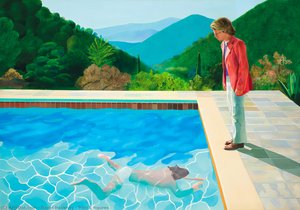
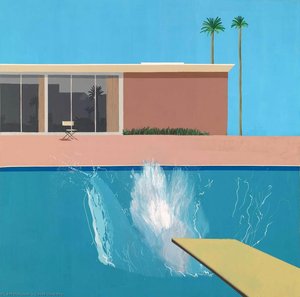
David Hockney's paintings are instantly recognizable for their luminous quality—a deliberate strategy born from decades of meticulous observation and a profound understanding of how light transforms the visual world. This particular landscape, tentatively titled “B1119d469eec73ca06a2d9f9e9f65708,” exemplifies Hockney’s signature approach: capturing not just what is seen but also *how* it feels to be present in that moment.
The painting's style leans heavily into Impressionism, albeit infused with Hockney’s distinctive Californian sensibility. Unlike the hazy brushstrokes of Monet or Renoir, Hockney employs a bold palette—primarily yellows and oranges—to convey an overwhelming sense of warmth and vibrancy. These colors aren’t merely decorative; they represent Hockney's fascination with capturing the essence of sunlight filtering through foliage, mirroring his own experience of traveling extensively between England and America.
Technique is paramount to Hockney’s vision. He utilizes a technique he calls “joinery,” meticulously layering canvases together—often up to six—to create panoramic views that expand beyond the confines of traditional painting formats. This method allows him to synthesize multiple perspectives simultaneously, mimicking the way our eyes perceive space and light. The resulting surface is textured and subtly uneven, reflecting the physicality of his process and contributing to the painting’s palpable energy.
Historically situated within the broader context of Postmodern art, Hockney's work rejects grand narratives and embraces subjective experience. He emerged during a period of artistic experimentation following Abstract Expressionism, prioritizing visual sensation over intellectual conceptualization. However, Hockney’s paintings aren’t simply escapist fantasies; they are imbued with a quiet dignity—a testament to the enduring beauty of the natural world and the importance of mindful perception.
Symbolically, the road winding through the field serves as a metaphor for life's journey—a path fraught with challenges but ultimately leading towards enlightenment. The trees and bushes surrounding the road represent stability and resilience, anchoring the scene amidst the dynamism of movement. And crucially, the presence of figures scattered throughout the landscape underscores Hockney’s belief that art should engage us emotionally, prompting contemplation about our place within the larger universe.
Ultimately, “B1119d469eec73ca06a2d9f9e9f65708” resonates with viewers on a deeply personal level. It’s an invitation to slow down, appreciate the simple pleasures of observation, and embrace the transformative power of light—themes that have consistently underpinned Hockney's artistic legacy.


1937 - , Egyesült Királyság

Explore the profound beauty of pastoral art history. From Arcadian myths to Impressionist mastery, discover how timeless landscapes capture nature's serenity and transform modern interiors with museum-quality, hand-painted oil reproductions.

Explore the profound legacy of British art history. From Constable's pastoral truths to Romanticism's sublime landscapes, discover the stories behind the masters and learn how to bring museum-quality oil reproductions into your home with Most-Famous-Paintings.


Maradjon naprakész a legfrissebb művészeti hírekkel, exkluzív ajánlatokkal és dekorációs ötletekkel.
Írja le nekünk projektjét, és művészeti szakértőink 3 személyre szabott műalkotási javaslatot készítenek Önnek.
Hagyjuk, hogy mi válogassunk ki Önnek 3 legjobb opciót – Ingyenesen!


 Megtekintés
 Küldés
 Megosztás
 Részletek

 Letöltés
 Hasonló darabok
 X-ray felvétel
 Diavetítés
 Összes részlet megjelenítése







 Az üvegkeretes opció csak 110 cm alatti méretben érhető el