x

Kézzel festett olajvastú vászon, az Ön által választott méretben és keretben, művészeink készítik meglévőre. ( Nyomat rendelése Kép letöltése)





























Válasszon előre meghatározott méreteink közül, amelyek megfelelnek a műalkotás eredeti arányainak.

Ön megadhat saját méreteket egy adott kerethez vagy térhez igazításhoz. Ha a kiválasztott méret nem egyezik az eredeti kép arányával, akkor a műalkotást levágjuk, vagy további kézzel festett elemekkel meghosszabbítjuk a festményt. A gyártás megkezdése előtt küldünk Önnek egy digitális előnézetet jóváhagyásra.
Kérjük, vegye figyelembe, hogy a képernyőn megjelenő előnézet nem tükrözi a tényleges vágást vagy kiterjesztést. Csak az előnézet fog pontosan mutatni a végső kompozíciót.
Bár egyedi méretek állnak rendelkezésre, javasoljuk, hogy válasszon egy méretet az előre meghatározott listából az eredeti arányok megőrzése érdekében.
Világszerte elérhető szállítás () 3-4 hét alatt a szokásos 5 hét helyett. (17 augusztus). A minőség nem kérdőjelezhető.


L'Espada
Reprodukció mérete
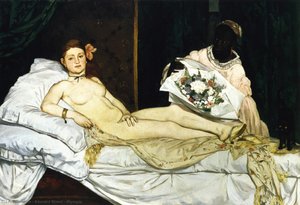
Édouard Manet’s L’Espada, a monochromatic etching completed around 1862, isn't merely a portrait; it’s a carefully constructed tableau vivant—a snapshot of Victorian masculinity imbued with an undercurrent of melancholy and subtle defiance. The subject, identified as Victorine Meurent, a model known for her striking beauty and independent spirit, is depicted in a pose that simultaneously evokes the grandeur of a Spanish bullfighter and the vulnerability of a solitary figure. Manet masterfully captures a moment suspended between action and contemplation, inviting the viewer to decipher the narrative hidden within this seemingly simple scene.
The etching’s power lies in its deliberate blending of influences. Manet, a restless innovator, drew inspiration from a diverse range of sources—from the dramatic compositions of Francisco Goya's *Tauromaquia* series to the theatrical poses of Renaissance prints depicting figures like Temperance and Justice. He skillfully adapted elements from these disparate traditions, creating a work that feels both historically rooted and strikingly modern. The backdrop, a meticulously rendered scene of a bullring, echoes Goya’s powerful imagery while Victorine's stance subtly references the allegorical figure of Temperance, suggesting restraint and control. The inclusion of other figures in the background—a group of spectators observing the action—adds to the sense of drama and immediacy.
Manet’s masterful use of etching technique is central to the work's impact. The stark contrasts between light and shadow, achieved through varying pressures on the metal plate, create a dramatic sense of depth and volume. The sharply defined lines delineate the subject’s form, while subtle tonal variations suggest texture—the folds of his cloak, the sheen of his sword, and the rough surface of the bullring wall. The monochromatic palette amplifies the emotional intensity of the scene, lending it a somber and introspective quality. Victorine's direct gaze at the viewer is particularly arresting, inviting us to share in her quiet contemplation.
Beyond its formal elements, L’Espada offers a poignant commentary on Victorian masculinity. The figure of the “espada,” or bullfighter, traditionally represented strength, courage, and virility, is here presented with an unexpected vulnerability. Victorine's unconventional attire—a pink cape that deviates from the traditional red—and her detached expression suggest a rejection of conventional expectations. The etching subtly critiques the rigid social codes of the era, hinting at the suppressed emotions and desires beneath the surface of Victorian propriety. It’s a portrait not just of a man, but of a complex and layered individual grappling with his own identity within a restrictive society.


1832 - 1883 , Franciaország
Fedezze fel Édouard Manet 25 legikonikusabb művét! Ismerje meg a modernizmus forradalmát, az impresszionizmus gyökereit és a festő lenyűgöző technikáját. Vászonképek és inspiráló dekorációs ötletek a Most-Famous-Paintings.com-on. Explore the full collection online!

Fedezze fel a művészettörténet 10 legikonikusabb rézkarcát! Rembrandt, Goya és más mesterek munkáival gazdagítsa otthonát. Művészeti reprodukciók prémium minőségben – inspirációt és luxus dekorációt kínálunk. Nézze meg a teljes gyűjteményünket a Most-Famous-Paintings.com-on!

Explore the rich history of etching, from its origins to Rembrandt's masterful innovations. Discover the technique, aesthetic qualities & enduring legacy of this captivating art form. Expert insights for collectors and enthusiasts.

Explore the rich history of etching, from its origins to modern practice. Discover techniques, key artists like Rembrandt, and insights for collectors. A comprehensive guide by Most-Famous-Paintings.

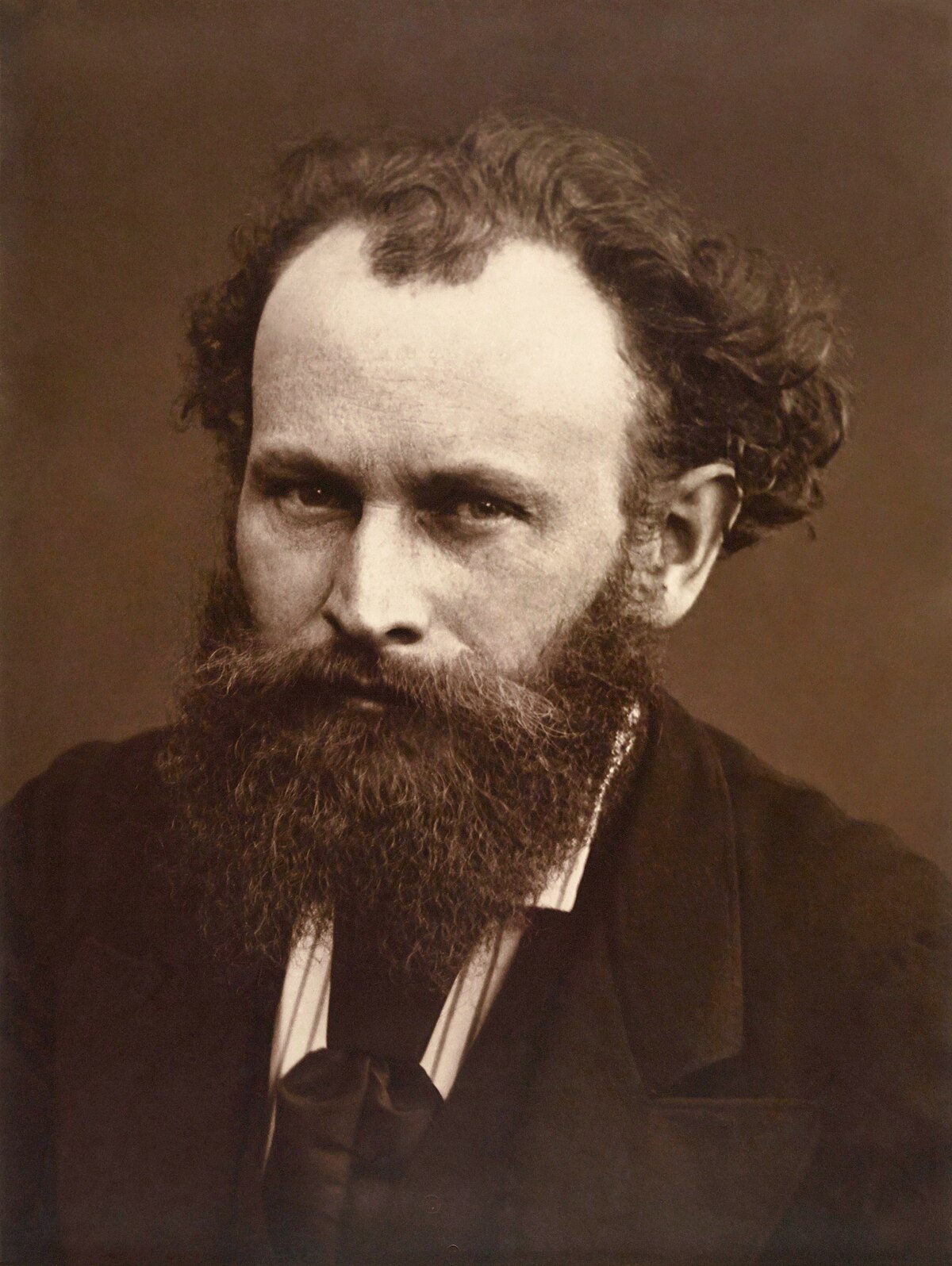
Explore the life & art of Édouard Manet, a pivotal figure bridging Realism and Impressionism. Discover his revolutionary techniques, controversial masterpieces like 'Olympia,' and lasting impact on modern art history.


Maradjon naprakész a legfrissebb művészeti hírekkel, exkluzív ajánlatokkal és dekorációs ötletekkel.
Írja le nekünk projektjét, és művészeti szakértőink 3 személyre szabott műalkotási javaslatot készítenek Önnek.
Hagyjuk, hogy mi válogassunk ki Önnek 3 legjobb opciót – Ingyenesen!


 Megtekintés
 Küldés
 Megosztás
 Részletek

 Letöltés
 Hasonló darabok
 X-ray felvétel
 Diavetítés

 Összes részlet megjelenítése







 Az üvegkeretes opció csak 110 cm alatti méretben érhető el