x

Múzeumi minőségű giclée vagy vászonnyomat, gyors gyártással és rugalmas finomítási lehetőségekkel. ( Kézzel festett másolat rendelése Kép letöltése)





























Válasszon előre meghatározott méreteink közül, amelyek megfelelnek a műalkotás eredeti arányainak.

Megadhat saját méreteket is egy konkrét kerethez vagy helyszínhez igazítva. Amennyiben a kiválasztott méret nem egyezik az eredeti kép arányokkal, a műalkotást le fogjuk vágni, vagy kiegészítjük a képet tükrözött vagy egyszínű szélekkel. A gyártás megkezdése előtt egy digitális tervezetet küldünk jóváhagyásra.
Kérjük, vegye figyelembe, hogy a képernyőn látható előnézet nem tükrözi a tényleges levágást vagy kiegészítést. Csak a tervezet mutatja pontosan a végső kompozíciót.
Bár az egyedi méretek is elérhetőek, az eredeti arányok megőrzése érdekében azt javasoljuk, hogy válasszon a előre meghatározott listából származó méretet.
Világszerte történő kiszállítás területére mindössze 2 hét alatt, a szokásos 4-5 hét helyett. (19 augusztus)


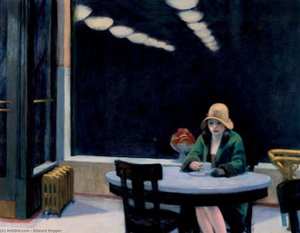
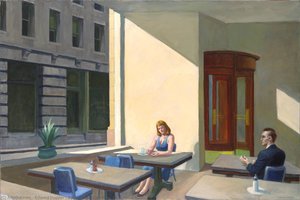
Eleven A.M.
Reprodukció mérete
Edward Hopper’s “Eleven A.M.” (1926) is more than just a depiction of a woman in a room; it’s a meticulously crafted meditation on the quiet loneliness inherent within the burgeoning modern American experience. Painted during a pivotal moment in Hopper's career, this work exemplifies his signature style – characterized by stark realism, carefully controlled light, and an unsettling sense of detachment. The scene unfolds with a deliberate simplicity: a woman seated in a chair, her gaze fixed upon the exterior world through a window, a silent observer within her own domestic sphere. This seemingly straightforward composition belies a profound exploration of isolation and the challenges of navigating a rapidly changing society.
Hopper's technical skill is immediately apparent in “Eleven A.M.” His use of light is particularly noteworthy; it isn’t merely illumination but a powerful tool for conveying mood and atmosphere. The diffused natural light filtering through the window casts long, dramatic shadows, emphasizing the emptiness of the room and intensifying the woman’s solitary posture. He employs a precise, almost photographic realism, meticulously rendering textures – from the worn fabric of the chair to the smooth surface of the vases – yet avoids sentimentality. This restrained approach is crucial to the painting's emotional impact; it allows the viewer to project their own feelings and interpretations onto the scene.
"Eleven A.M." was created during the Jazz Age, a period of immense social and cultural change in America. The rise of urban centers, industrialization, and new forms of entertainment contributed to a sense of alienation and displacement. Hopper’s work reflects this shift, capturing the anxieties and uncertainties of individuals struggling to find their place within this rapidly evolving world. The woman's gaze out the window can be interpreted as a yearning for connection or an escape from the confines of her domestic life – themes that resonated deeply with audiences at the time and continue to hold relevance today.
Ultimately, “Eleven A.M.” is a profoundly moving work that speaks to the universal human experience of loneliness and introspection. Hopper’s ability to capture this quiet emotion with such precision and subtlety has ensured its enduring appeal. It's a painting that invites contemplation, prompting viewers to consider their own relationships with solitude, isolation, and the search for meaning in an often-chaotic world. This reproduction offers a remarkable opportunity to experience the power of Hopper’s vision firsthand, bringing this iconic image into your home or office.


1931 - 1967 , Egyesült Államok

Explore the profound history of American Regionalism. Discover how Grant Wood captured the heart of the Midwest through masterpieces like American Gothic. An expert guide to the movement, its cultural impact, and the enduring beauty of American Realism.

Explore the profound history and technical mastery of woodcut relief printing. From ancient origins to German Expressionism, discover how artists use the subtractive process to create iconic works. A definitive guide for art students, collectors, and historians.

Discover the technical mastery behind Most-Famous-Paintings.com's premium Giclée canvas prints. Our guide for elite collectors explores archival pigment inks, museum-grade substrates, and the science of high-fidelity reproduction to ensure lasting beauty and historical accuracy.


Maradjon naprakész a legfrissebb művészeti hírekkel, exkluzív ajánlatokkal és dekorációs ötletekkel.
Írja le nekünk projektjét, és művészeti szakértőink 3 személyre szabott műalkotási javaslatot készítenek Önnek.
Hagyjuk, hogy mi válogassunk ki Önnek 3 legjobb opciót – Ingyenesen!


 Megtekintés
 Küldés
 Megosztás
 Részletek

 Letöltés
 Hasonló darabok
 X-ray felvétel
 Diavetítés

 Összes részlet megjelenítése







 Az üvegkeretes opció csak 110 cm alatti méretben érhető el