x

Múzeumi minőségű giclée vagy vászonnyomat, gyors gyártással és rugalmas finomítási lehetőségekkel. ( Kézzel festett másolat rendelése Kép letöltése)





























Válasszon előre meghatározott méreteink közül, amelyek megfelelnek a műalkotás eredeti arányainak.

Megadhat saját méreteket is egy konkrét kerethez vagy helyszínhez igazítva. Amennyiben a kiválasztott méret nem egyezik az eredeti kép arányokkal, a műalkotást le fogjuk vágni, vagy kiegészítjük a képet tükrözött vagy egyszínű szélekkel. A gyártás megkezdése előtt egy digitális tervezetet küldünk jóváhagyásra.
Kérjük, vegye figyelembe, hogy a képernyőn látható előnézet nem tükrözi a tényleges levágást vagy kiegészítést. Csak a tervezet mutatja pontosan a végső kompozíciót.
Bár az egyedi méretek is elérhetőek, az eredeti arányok megőrzése érdekében azt javasoljuk, hogy válasszon a előre meghatározott listából származó méretet.
Világszerte történő kiszállítás területére mindössze 2 hét alatt, a szokásos 4-5 hét helyett. (18 augusztus)


The Last Supper
Reprodukció mérete
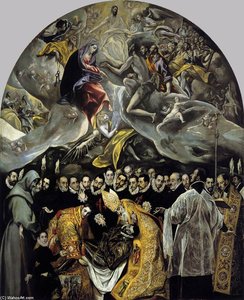
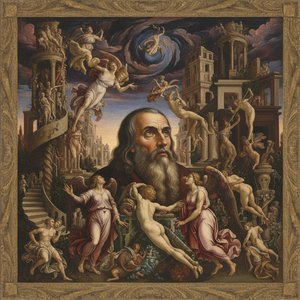
El Greco’s “The Last Supper,” painted in 1568, isn't merely a depiction of a biblical scene; it’s a visceral exploration of human emotion and spiritual tension. This masterpiece, housed within the Pinacoteca Nazionale di Bologna, transcends its religious subject matter to become a profound meditation on betrayal, faith, and the weight of impending doom. Far removed from the serene depictions favored by his contemporaries, El Greco plunges us directly into the heart of Christ’s final meal with his disciples, utilizing a revolutionary Mannerist style that would profoundly influence generations of artists to come.
The painting immediately captivates with its dynamic composition and unsettling realism. Unlike Leonardo da Vinci's meticulously balanced “Last Supper,” El Greco deliberately eschews harmony in favor of dramatic asymmetry. Figures are elongated and distorted, their faces contorted in expressions of shock, disbelief, and even anger. The spatial relationships are skewed, creating a sense of claustrophobia and intensifying the emotional impact. Notice how Christ’s hand, raised in a gesture of blessing, dominates the scene, drawing our eye while simultaneously radiating an aura of quiet authority amidst the surrounding turmoil.
El Greco's style is firmly rooted in the burgeoning Mannerist movement, which arose as a reaction against the perceived excesses of the High Renaissance. Rather than striving for idealized beauty and anatomical perfection, Mannerists prioritized expressive distortion, heightened color palettes, and complex spatial arrangements. El Greco masterfully embodies these principles, employing elongated figures that seem to ripple with inner energy. His use of color is equally striking – vibrant reds, blues, and yellows clash dramatically against muted browns and grays, creating a sense of unease and amplifying the emotional intensity of the scene.
Beyond its formal innovations, “The Last Supper” is rich in symbolic meaning. The arrangement of the apostles around the table isn’t simply a realistic depiction; it's a carefully constructed tableau designed to convey theological ideas about betrayal, sacrifice, and redemption. Observe how Judas, often identified by his distinctive green garment, sits isolated from the group, representing the act of treachery that will ultimately lead to Christ’s crucifixion. The gesture of reaching for bread and wine symbolizes the Eucharist—the central sacrament of Christianity—and the promise of eternal life.
Furthermore, El Greco's background in Byzantine iconography is evident in his use of symbolism. The figures are not rendered as individual portraits but rather as archetypal representations of humanity’s spiritual journey. The overall atmosphere of the painting suggests a profound sense of foreboding and impending tragedy, reflecting the psychological drama at the heart of the biblical narrative.
“The Last Supper” stands as a testament to El Greco's unique artistic vision—a fusion of Byzantine tradition and Western innovation. His dramatic use of color, distorted figures, and intense emotional expression broke with established conventions and paved the way for future generations of artists who sought to convey subjective experience through their work. Reproductions of this powerful image offer a remarkable opportunity to connect with one of art history’s most compelling and enigmatic figures, allowing us to contemplate the profound themes of faith, betrayal, and human suffering that continue to resonate today.

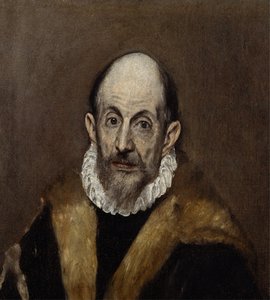
1541 - 1614 , Ελλάδα
Explore the dramatic transition from High Renaissance harmony to Mannerist tension. Discover how masters like El Greco redefined art through distortion and spiritual intensity. An expert guide for art enthusiasts seeking deep historical context and museum-quality inspiration.

Explore the dramatic evolution of Mannerism from High Renaissance perfection to El Greco's spiritual intensity. Discover the history, techniques, and enduring legacy of this transformative era through an expert art-history lens.

Explore the profound history and technical brilliance of oil on panel painting. From Renaissance masters to modern techniques, discover why this rigid support offers unparalleled precision and permanence for fine art lovers and collectors.


Maradjon naprakész a legfrissebb művészeti hírekkel, exkluzív ajánlatokkal és dekorációs ötletekkel.
Írja le nekünk projektjét, és művészeti szakértőink 3 személyre szabott műalkotási javaslatot készítenek Önnek.
Hagyjuk, hogy mi válogassunk ki Önnek 3 legjobb opciót – Ingyenesen!


 Megtekintés
 Küldés
 Megosztás
 Részletek

 Letöltés
 Hasonló darabok
 X-ray felvétel
 Diavetítés

 Összes részlet megjelenítése







 Az üvegkeretes opció csak 110 cm alatti méretben érhető el