x

 Preview
 Nyomat vásárlása Kép letöltése
 Megosztás
 Részletek
 Kedvencekhez ad
 Letöltés
 Hasonló alkotások
 X-ray felvétel
 Diavetítés
Kézzel festett olajvastú vászon, az Ön által választott méretben és keretben, művészeink készítik meglévőre.





























Válasszon előre meghatározott méreteink közül, amelyek megfelelnek a műalkotás eredeti arányainak.

Ön megadhat saját méreteket egy adott kerethez vagy térhez igazításhoz. Ha a kiválasztott méret nem egyezik az eredeti kép arányával, akkor a műalkotást levágjuk, vagy további kézzel festett elemekkel meghosszabbítjuk a festményt. A gyártás megkezdése előtt küldünk Önnek egy digitális előnézetet jóváhagyásra.
Kérjük, vegye figyelembe, hogy a képernyőn megjelenő előnézet nem tükrözi a tényleges vágást vagy kiterjesztést. Csak az előnézet fog pontosan mutatni a végső kompozíciót.
Bár egyedi méretek állnak rendelkezésre, javasoljuk, hogy válasszon egy méretet az előre meghatározott listából az eredeti arányok megőrzése érdekében.
Világszerte elérhető szállítás () 3-4 hét alatt a szokásos 5 hét helyett. (26 július). A minőség nem kérdőjelezhető.


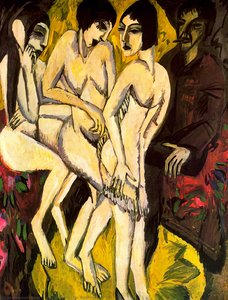
Harem
A reprodukció mérete
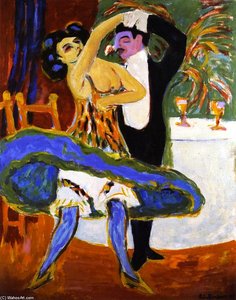
Ernst Ludwig Kirchner’s “Harem,” painted during the heart of German Expressionism’s tumultuous period, isn’t merely a depiction of two nude women; it’s a visceral plunge into the anxieties and psychological complexities of early 20th-century Europe. Born in Aschaffenburg in 1880, Kirchner's life was marked by constant relocation and a profound sense of alienation – experiences that directly informed his art. Rejecting the rigid formalism of academic painting, he embraced a style characterized by distorted forms, jarring color palettes, and an urgent need to convey raw emotion rather than objective reality. “Harem” exemplifies this approach with breathtaking intensity.
Kirchner's masterful use of color is central to the painting’s power. He employs a deliberately limited palette – primarily shades of orange, pink, blue, and green – but manipulates these hues with an almost obsessive intensity. The dominant oranges and pinks evoke warmth, passion, and perhaps even danger, while the blues introduce a note of melancholy or introspection. These colors aren't simply descriptive; they are emotionally charged, reflecting the artist’s subjective experience of the scene. The strategic use of shadow further amplifies this effect, creating dramatic contrasts that heighten the sense of unease and psychological depth.
"Harem" was created during a period of immense social and political upheaval in Germany. The rise of industrialization, urbanization, and new philosophical ideas were challenging traditional values and fostering a sense of disorientation. Kirchner’s work reflects this broader cultural anxiety, capturing the feeling of alienation and uncertainty that characterized the era. Symbolically, the colors themselves carry significant weight – orange representing warmth and passion, pink suggesting vulnerability and beauty, while blue conveys a sense of melancholy or introspection. The painting can be interpreted as a commentary on the changing role of women in society and the psychological toll of modernity.
Kirchner’s “Harem” remains a powerfully evocative work of art, demonstrating his mastery of Expressionist techniques and his ability to translate personal anxieties into universal themes. Its raw emotional intensity continues to resonate with viewers today, solidifying its place as a pivotal piece in the history of modern art. A hand-painted reproduction offers an unparalleled opportunity to experience this masterpiece firsthand, bringing Kirchner’s vision – and the turbulent spirit of German Expressionism – directly into your space.

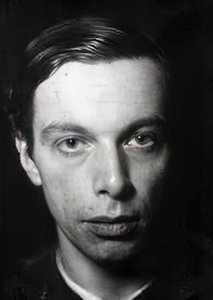
1880 - 1938 , Németország
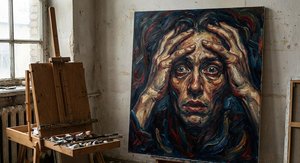
Explore the powerful world of Figurative Expressionism with Most-Famous-Paintings. Discover key artists like Kirchner & Beckmann, understand its emotional depth, and learn how to collect this influential 20th-century art movement.

Explore the rich history of figure painting & sculpture! Discover classical masterpieces, modern interpretations, and expert insights for art lovers & collectors. Most-Famous-Paintings offers museum-quality reproductions.

Explore the rich history of figure painting from antiquity to the Renaissance! Discover iconic artworks, masterful techniques & enduring symbolism. Find museum-quality reproductions at Most-Famous-Paintings.
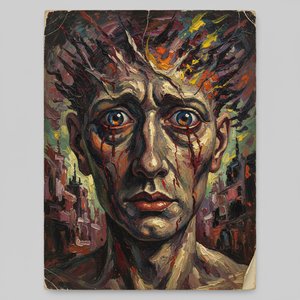
Explore the powerful world of Expressionism with Most-Famous-Paintings. Discover key artists like Kirchner & Nolde, understand its emotional impact, and learn about this revolutionary art movement's lasting legacy. Handmade oil paintings available.
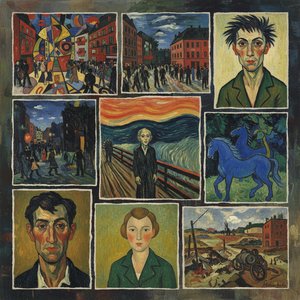
Fedezze fel a kifejezésművészet 10 legikonikusabb remekművét! Munch, Kirchner, Kandinsky és mások alkotásainak története. Vászonképek, faliképek inspirációval a Most-Famous-Paintings-tól – minőségi műalkotások otthonába. Explore the full collection online!


Maradjon naprakész a legfrissebb művészeti hírekkel, exkluzív ajánlatokkal és dekorációs ötletekkel.
Írja le nekünk projektjét, és művészeti szakértőink 3 személyre szabott műalkotási javaslatot készítenek Önnek.
Hagyjuk, hogy mi válogassunk ki Önnek 3 legjobb opciót – Ingyenesen!


 Megosztás


 Tovább olvasom







 Az üvegkeretes opció csak 110 cm alatti méretben érhető el