


x

Kézzel festett olajvastú vászon, az Ön által választott méretben és keretben, művészeink készítik meglévőre. ( Nyomat rendelése Kép letöltése)





























Válasszon előre meghatározott méreteink közül, amelyek megfelelnek a műalkotás eredeti arányainak.

Ön megadhat saját méreteket egy adott kerethez vagy térhez igazításhoz. Ha a kiválasztott méret nem egyezik az eredeti kép arányával, akkor a műalkotást levágjuk, vagy további kézzel festett elemekkel meghosszabbítjuk a festményt. A gyártás megkezdése előtt küldünk Önnek egy digitális előnézetet jóváhagyásra.
Kérjük, vegye figyelembe, hogy a képernyőn megjelenő előnézet nem tükrözi a tényleges vágást vagy kiterjesztést. Csak az előnézet fog pontosan mutatni a végső kompozíciót.
Bár egyedi méretek állnak rendelkezésre, javasoljuk, hogy válasszon egy méretet az előre meghatározott listából az eredeti arányok megőrzése érdekében.
Világszerte elérhető szállítás () 3-4 hét alatt a szokásos 5 hét helyett. (18 augusztus). A minőség nem kérdőjelezhető.


Deauville
Reprodukció mérete
Fernand Léger's “Deauville,” a vibrant explosion of color and geometric forms, offers a compelling glimpse into the heart of early 20th-century abstraction. Painted by one of the most significant figures in modern art, this work transcends mere representation, instead embodying Léger’s profound engagement with the burgeoning industrial age and his desire to translate its dynamism onto canvas. The painting's bold palette – dominated by assertive reds, yellows, blues, greens, and whites – immediately commands attention, drawing the viewer into a world where traditional notions of beauty are deliberately subverted.
Created during Léger’s pivotal period as a “purist,” “Deauville” reflects his commitment to capturing the essence of modern life. Born in 1881 in Argentan, Normandy, Léger's upbringing amidst the rural landscape profoundly shaped his artistic sensibility. However, his relocation to Paris around 1900 ignited a passion for the burgeoning industrial world – the factories, machines, and urban sprawl that were rapidly transforming Europe. This fascination is brilliantly articulated through the painting’s fractured forms: circles, squares, and triangles, reminiscent of gears, wheels, and other mechanical components. The scattered dots further amplify this effect, suggesting a fragmented, almost chaotic, yet ultimately ordered vision of progress.
Léger’s technique is characterized by a deliberate application of paint, often employing thick impasto to build up texture and emphasize the physicality of his forms. The composition itself is remarkably expansive, filling almost the entire canvas with its energetic arrangement. This vastness contributes to the painting's immersive quality, enveloping the viewer within its vibrant world. The artist’s use of color isn’t simply decorative; it’s a carefully considered strategy for conveying movement and energy. The juxtaposition of warm and cool tones creates visual tension, mirroring the dynamism he sought to capture.
While “Deauville” undeniably reflects Léger's fascination with machinery, it’s important to recognize that the painting carries deeper symbolic weight. It represents a broader exploration of humanity’s relationship with technology and its impact on society. The fragmented forms can be interpreted as representing the breakdown of traditional values and the emergence of a new, mechanized world order. Yet, despite this potentially unsettling vision, there's also an underlying sense of optimism – a belief in the potential for progress and innovation. Léger wasn’t simply depicting machines; he was attempting to capture their spirit, their power, and their transformative influence.
Fernand Léger's “Deauville” stands as a testament to his groundbreaking contribution to modern art. His work paved the way for subsequent generations of abstract artists and continues to resonate with viewers today. This large-scale reproduction offers an exceptional opportunity to experience firsthand the power and beauty of Léger’s vision – a bold, vibrant, and profoundly influential masterpiece.

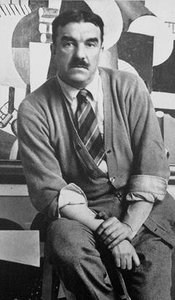
1881 - 1955 , Franciaország
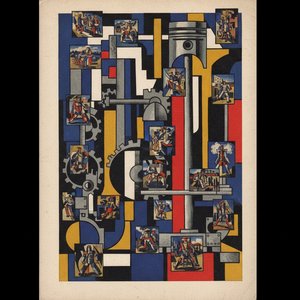
Fedezze fel Fernand Léger 25 legikonikusabb műalkotását! Ismerje meg a kubizmus, a tubizmus mesterét és a gépi kor lenyűgöző festményeit. Múzeumi minőségű vászonképek és poszterek a Most-Famous-Paintings-on. Explore the full collection online!
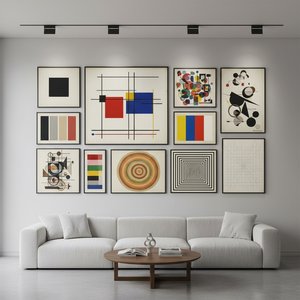
Fedezze fel a geometrikus absztrakció 10 legikonikusabb műalkotását! Kandinsky, Mondrian és más mesterek festményeinek története inspirálja otthona dekorációját. Múzeumi minőségű reprodukciók a Most-Famous-Paintings.com-on – fedezze fel online!

Discover the power of Neo-Abstract art. Explore how bold geometric forms and high-impact visual energy are redefining modern design. Learn to curate sophisticated, high-energy spaces with the latest trends in contemporary abstraction and structural color.

Elevate your first home with the bold energy of Neo-Abstract Art. Our expert guide helps newlyweds master modern geometric compositions, textures, and color palettes. Discover how custom hand-painted oils and multi-panel designs can transform your new space into a curated masterpiece.
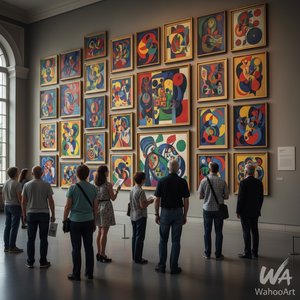
Fedezze fel Wassily Kandinsky 25 legikonikusabb művét! Merüljön el az absztrakt művészet világában, ismerje meg a színek és formák lenyűgöző történetét. Prémium minőségű reprodukciók és inspiráló dekorötletek a Most-Famous-Paintings.com-on.


Maradjon naprakész a legfrissebb művészeti hírekkel, exkluzív ajánlatokkal és dekorációs ötletekkel.
Írja le nekünk projektjét, és művészeti szakértőink 3 személyre szabott műalkotási javaslatot készítenek Önnek.
Hagyjuk, hogy mi válogassunk ki Önnek 3 legjobb opciót – Ingyenesen!


 Megtekintés
 Küldés
 Megosztás
 Részletek

 Letöltés
 Hasonló darabok
 X-ray felvétel
 Diavetítés

 Összes részlet megjelenítése







 Az üvegkeretes opció csak 110 cm alatti méretben érhető el


