


x


 Preview
 Nyomat vásárlása Kép letöltése
 Megosztás
 Részletek
 Kedvencekhez ad
 Letöltés
 Hasonló alkotások
 X-ray felvétel
 Diavetítés
Kézzel festett olajvastú vászon, az Ön által választott méretben és keretben, művészeink készítik meglévőre.





























Válasszon előre meghatározott méreteink közül, amelyek megfelelnek a műalkotás eredeti arányainak.

Ön megadhat saját méreteket egy adott kerethez vagy térhez igazításhoz. Ha a kiválasztott méret nem egyezik az eredeti kép arányával, akkor a műalkotást levágjuk, vagy további kézzel festett elemekkel meghosszabbítjuk a festményt. A gyártás megkezdése előtt küldünk Önnek egy digitális előnézetet jóváhagyásra.
Kérjük, vegye figyelembe, hogy a képernyőn megjelenő előnézet nem tükrözi a tényleges vágást vagy kiterjesztést. Csak az előnézet fog pontosan mutatni a végső kompozíciót.
Bár egyedi méretek állnak rendelkezésre, javasoljuk, hogy válasszon egy méretet az előre meghatározott listából az eredeti arányok megőrzése érdekében.
Világszerte elérhető szállítás () 3-4 hét alatt a szokásos 5 hét helyett. (26 július). A minőség nem kérdőjelezhető.


Green Tree
A reprodukció mérete
Fernand Léger’s “Green Tree,” painted in 1944, is more than just a depiction of a tree; it's a potent visual distillation of the anxieties and fascinations that defined the early 20th century. This seemingly simple image – a vibrant green tree with a deliberately anthropomorphic face, bathed in the glow of a yellow sun – unfolds as a complex meditation on modernity’s impact on humanity and the natural world. Léger, a key figure in the Cubist movement, was deeply concerned with representing the burgeoning industrial landscape, and “Green Tree” embodies this preoccupation with striking clarity.
Created during a period of immense social and technological upheaval, “Green Tree” is firmly rooted in Léger's artistic philosophy. He rejected purely abstract art, believing it detached from reality. Instead, he sought to capture the essence of modern life – the dynamism of machines, the angularity of urban landscapes, and the impact on human form – through a style he termed "Tubism," later evolving into “Concrete Art.” This approach involved breaking down objects into their fundamental geometric shapes, reassembling them in new configurations, and emphasizing the mechanical aspects of the world. Léger was profoundly influenced by the rise of industrialization and its effect on the human psyche, reflecting this concern through his art.
"Green Tree" is not a comfortable image; it’s deliberately provocative and emotionally charged. Léger wasn’t interested in creating pretty pictures; he wanted to confront viewers with the realities of modern life, prompting reflection on humanity's relationship with technology and nature. The painting’s enduring appeal lies in its ability to tap into universal anxieties about change, displacement, and the loss of innocence. Léger’s influence extends far beyond Cubism, shaping the course of 20th-century art and inspiring generations of artists to explore the possibilities of abstraction while remaining connected to the observable world.
Artist: Fernand Léger Date: 1944 Movement: Cubism, Concrete Art
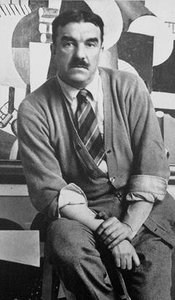
1881 - 1955 , Franciaország

Fedezze fel a 10 leghíresebb festményt, melyeket az olívazöld árnyalatok dominálnak! Reneszánsz remekművektől a modern művészetig – ismerje meg a mestereket és inspirálódjon otthon dekorációjához. Museum-minőségű reprodukciók a Most-Famous-Paintings.com-on!
Fedezze fel Joan Miró 25 legikonikusabb műalkotását! Ismerje meg a katalán szürrealizmus mesterét, festményeinek történetét és inspiráló színeit. Művészeti reprodukciók prémium minőségben – Most-Famous-Paintings.com.
Fedezze fel a kubizmus 10 legikonikusabb mesterművét! Picasso, Braque és más művészek forradalmi alkotásainak története. Inspirálódjon modern művészettel, és találja meg tökéletes faliképét a Most-Famous-Paintings.com kínálatából. Explore the full collection online!

Fedezze fel a kubizmus 10 legikonikusabb műalkotását! Picasso, Braque és más mesterek expresszív világa – történetek, technikák és időtálló szépség. Prémium minőségű reprodukciók a Most-Famous-Paintings-on. Böngéssze online kínálatunkat!

Fedezze fel a kubizmus 10 legikonikusabb portréját! Picasso, Braque és más mesterek forradalmi művei – történetükkel, technikájukkal. Múzeumi minőségű reprodukciók otthonába a Most-Famous-Paintings-on. Explore the full collection online!


Maradjon naprakész a legfrissebb művészeti hírekkel, exkluzív ajánlatokkal és dekorációs ötletekkel.
Írja le nekünk projektjét, és művészeti szakértőink 3 személyre szabott műalkotási javaslatot készítenek Önnek.
Hagyjuk, hogy mi válogassunk ki Önnek 3 legjobb opciót – Ingyenesen!


 Megosztás


 Tovább olvasom







 Az üvegkeretes opció csak 110 cm alatti méretben érhető el


