


x

Múzeumi minőségű giclée vagy vászonnyomat, gyors gyártással és rugalmas finomítási lehetőségekkel. ( Kézzel festett másolat rendelése Kép letöltése)





























Válasszon előre meghatározott méreteink közül, amelyek megfelelnek a műalkotás eredeti arányainak.

Megadhat saját méreteket is egy konkrét kerethez vagy helyszínhez igazítva. Amennyiben a kiválasztott méret nem egyezik az eredeti kép arányokkal, a műalkotást le fogjuk vágni, vagy kiegészítjük a képet tükrözött vagy egyszínű szélekkel. A gyártás megkezdése előtt egy digitális tervezetet küldünk jóváhagyásra.
Kérjük, vegye figyelembe, hogy a képernyőn látható előnézet nem tükrözi a tényleges levágást vagy kiegészítést. Csak a tervezet mutatja pontosan a végső kompozíciót.
Bár az egyedi méretek is elérhetőek, az eredeti arányok megőrzése érdekében azt javasoljuk, hogy válasszon a előre meghatározott listából származó méretet.
Világszerte történő kiszállítás területére mindössze 2 hét alatt, a szokásos 4-5 hét helyett. (14 augusztus)


The tug
Reprodukció mérete
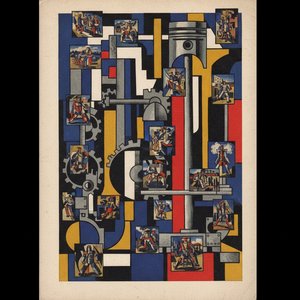
Fernand Léger’s “The Tug,” completed in 1928, isn't merely a depiction of a sailboat; it’s an embodiment of the anxieties and aspirations surrounding industrialization during the Weimar Republic. Léger, already established as a leading voice in the Bauhaus movement and Surrealist circles, sought to translate the relentless rhythm of the machine age into a visual language that defied traditional representation.
Technique-wise, Léger employed a bold palette dominated by reds, yellows, and blacks – colors that evoke both heat and darkness. He utilized thick impasto brushstrokes, layering paint onto the canvas with considerable physicality. This technique isn’t simply about applying color; it's about creating palpable texture, mirroring the rough surfaces of industrial machinery and conveying the raw power of nature.
“The Tug” emerged during a period of profound societal transformation in Germany. The Bauhaus school championed functionalism and geometric abstraction as responses to the perceived decadence of bourgeois culture, mirroring Léger’s artistic convictions. Simultaneously, advancements in engineering and manufacturing fueled an optimistic belief in progress—a belief tempered by anxieties about social upheaval and impending conflict.
Despite its apparent simplicity, “The Tug” is laden with symbolic significance. The sailboat itself represents resilience and determination – a struggle against overwhelming forces—while the turbulent waves symbolize instability and uncertainty. Léger’s deliberate use of contrasting colors reinforces this duality, highlighting both the destructive potential and inherent beauty of the natural world.
Viewing “The Tug” evokes a visceral response. The painting's energetic brushstrokes and bold palette convey a sense of urgency and excitement, mirroring the anxieties and aspirations of its time. Yet, beneath the surface chaos lies an underlying harmony—a testament to Léger’s belief that even in the face of adversity, beauty can endure. It invites contemplation on themes of struggle, transformation, and the enduring power of artistic vision.


1881 - 1955 , Franciaország
Fedezze fel Fernand Léger 25 legikonikusabb műalkotását! Ismerje meg a kubizmus, a tubizmus mesterét és a gépi kor lenyűgöző festményeit. Múzeumi minőségű vászonképek és poszterek a Most-Famous-Paintings-on. Explore the full collection online!

Explore the profound geometric mastery of Fernand Léger. Discover how his 'Tubism' and Machine Age aesthetics redefined modern art, offering timeless inspiration for discerning collectors seeking to integrate Cubist dynamism into sophisticated contemporary interiors.

Explore the vibrant world of Fernand Léger. Discover how his 'Tubism' and Machine Age aesthetics redefined modern art, offering profound inspiration for discerning collectors seeking geometric beauty and industrial dynamism.
Explore the profound intersection of industry and artistry. Discover museum-quality reproductions of Machine Age masterpieces by Léger and Rivera, curated for elite collectors seeking to infuse luxury interiors with the powerful, geometric soul of industrial progress.

Fedezze fel a 10 legikonikusabb ipari hangulatú műalkotást! Kandinsky, Léger és más mesterek festményeinek története. Szürke árnyalatok, gyári stílus, loft dekoráció inspiráció – mind Most-Famous-Paintings-on. Művészeti nyomatok a faladra! Explore the full collection online.


Maradjon naprakész a legfrissebb művészeti hírekkel, exkluzív ajánlatokkal és dekorációs ötletekkel.
Írja le nekünk projektjét, és művészeti szakértőink 3 személyre szabott műalkotási javaslatot készítenek Önnek.
Hagyjuk, hogy mi válogassunk ki Önnek 3 legjobb opciót – Ingyenesen!


 Megtekintés
 Küldés
 Megosztás
 Részletek

 Letöltés
 Hasonló darabok
 X-ray felvétel
 Diavetítés
 Összes részlet megjelenítése







 Az üvegkeretes opció csak 110 cm alatti méretben érhető el


