


x

Múzeumi minőségű giclée vagy vászonnyomat, gyors gyártással és rugalmas finomítási lehetőségekkel. ( Kézzel festett másolat rendelése Kép letöltése)





























Válasszon előre meghatározott méreteink közül, amelyek megfelelnek a műalkotás eredeti arányainak.

Megadhat saját méreteket is egy konkrét kerethez vagy helyszínhez igazítva. Amennyiben a kiválasztott méret nem egyezik az eredeti kép arányokkal, a műalkotást le fogjuk vágni, vagy kiegészítjük a képet tükrözött vagy egyszínű szélekkel. A gyártás megkezdése előtt egy digitális tervezetet küldünk jóváhagyásra.
Kérjük, vegye figyelembe, hogy a képernyőn látható előnézet nem tükrözi a tényleges levágást vagy kiegészítést. Csak a tervezet mutatja pontosan a végső kompozíciót.
Bár az egyedi méretek is elérhetőek, az eredeti arányok megőrzése érdekében azt javasoljuk, hogy válasszon a előre meghatározott listából származó méretet.
Világszerte történő kiszállítás területére mindössze 2 hét alatt, a szokásos 4-5 hét helyett. (25 augusztus)


head ii, 1958
Reprodukció mérete
Francis Bacon’s “Head II,” painted in 1958, isn't merely a depiction of a human face; it’s an immediate confrontation with the rawest anxieties of the modern condition. This arresting portrait, rendered in a palette dominated by intense blues and searing oranges, transcends simple representation to become a profound exploration of isolation, fear, and the unsettling awareness of mortality. Bacon, deeply influenced by the turbulent post-war landscape of Britain, sought not to capture likeness but to distill the essence of human experience – specifically, its inherent vulnerability and the struggle against an indifferent universe.
The composition itself is deliberately claustrophobic. The subject’s head, cropped tightly within a shallow space, feels trapped, almost suffocated by the surrounding environment. Bacon masterfully employs a flattened perspective, rejecting traditional illusionistic depth in favor of an immediate, confrontational presence. This compression forces the viewer into an intimate and unsettling proximity with the figure, mirroring the feeling of being trapped within one’s own thoughts and emotions. The use of geometric shapes – circles suggesting eyes and mouth, rectangles defining the clothing – is subtly distorted, hinting at a breakdown of order and control.
What truly distinguishes “Head II” is Bacon’s distinctive technique. He abandons any pretense of smooth surfaces or delicate brushwork, instead embracing an intensely expressive approach characterized by thick, impastoed layers of paint. The canvas explodes with visible brushstrokes – not concealed but celebrated as integral to the work's emotional power. This tactile quality invites a visceral response, drawing the viewer into the painting’s turbulent surface. The chromatic tension between the blues and oranges isn’t arbitrary; it amplifies the sense of unease and agitation, creating a visual representation of inner turmoil. Bacon frequently employed sand, dust, and fibers mixed with his oil paints to achieve this textured effect, adding another layer of physicality to the work.
Francis Bacon emerged as a pivotal figure in post-World War II art, forging a path distinct from prevailing artistic trends. His work reflects the anxieties and disillusionment of the era, moving away from traditional aesthetics towards a more subjective and emotionally charged expression. While undeniably influenced by earlier masters – notably Velázquez, particularly his iconic portrait of Pope Innocent X – Bacon ultimately transcended these influences to create something uniquely his own. The subtle echoes of Velázquez’s masterful use of light and shadow are present, but Bacon subverts the formality and grandeur of the Baroque style, injecting a raw, unsettling energy into the composition.
The symbolism within “Head II” is deliberately ambiguous, inviting multiple interpretations. The subject’s closed eyes suggest introspection, perhaps even a deliberate shutting out of the world – a defense mechanism against overwhelming emotions. The overall sense of confinement, reinforced by the tight cropping and lack of spatial context, speaks to feelings of isolation and psychological pressure. Bacon wasn't interested in portraying specific individuals but rather universal aspects of human experience: pain, fear, loneliness, and mortality. The distorted features aren’t meant to be a literal likeness but an embodiment of these profound emotions, creating a portrait that resonates with the viewer on a deeply personal level. The arrow beneath the mouth, a recurring motif in Bacon's work, adds another layer of unsettling symbolism, hinting at vulnerability and potential harm.
“Head II” remains a powerfully resonant artwork today, continuing to provoke contemplation and evoke strong emotional responses. It’s a testament to Bacon’s ability to capture the complexities of the human psyche – its vulnerabilities, anxieties, and enduring struggle for meaning in a chaotic world. For collectors and interior designers seeking a statement piece that is both visually striking and intellectually stimulating, a reproduction of this painting offers a profound addition to any space, inviting viewers to engage with the unsettling beauty of existential anguish.

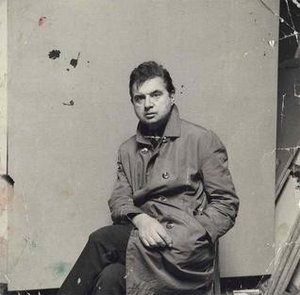
1909 - 1992 , Írország

Explore the profound emotional depth of Expressionist portraiture. From Edvard Munch to Francis Bacon, discover how masters used distortion and color to reveal inner truths. Learn about this pivotal movement and find museum-quality oil reproductions for your collection.


Maradjon naprakész a legfrissebb művészeti hírekkel, exkluzív ajánlatokkal és dekorációs ötletekkel.
Írja le nekünk projektjét, és művészeti szakértőink 3 személyre szabott műalkotási javaslatot készítenek Önnek.
Hagyjuk, hogy mi válogassunk ki Önnek 3 legjobb opciót – Ingyenesen!


 Megtekintés
 Küldés
 Megosztás
 Részletek

 Letöltés
 Hasonló darabok
 X-ray felvétel
 Diavetítés

 Összes részlet megjelenítése







 Az üvegkeretes opció csak 110 cm alatti méretben érhető el


