


x

 Acrylic On CanvasWallArtExpressionist Abstraction
 1952
1952 66.0 x 56.0 cm
 Tate Britain
Vásároljon nagy felbontású, javított digitális képet, amely minőségében messze felülmúlja az online előnézetet.
Minden fájlt szakembereink a legmodernebb eszközök és precíz, kézi retusálás segítségével készítenek el aprólékosan. Gondoskodunk arról, hogy minden kép kivételes tisztasággal, pontos színhelyességgel és részletgazdag finomsággal rendelkezzen.
A végleges fájl 72 órán belül e-mailben megérkezik, professzionális, szerkesztői és nyomtatási környezetbe optimalizálva az azonnali használathoz. Ez ugyanaz a minőség, amelyben a legmeghatározóbb tervezőstúdiók, kiadók és galériák is megbízhatnak.
Töltsön le nagy felbontású fájlt személyes kiállításokhoz, nyomtatáshoz és kreatív projektekhez. ( Nyomat rendelése Kézzel festett másolat rendelése)
Amikor a Most-Famous-Paintings.com szolgáltatást választja, nem csupán egy képet kap – professzionálisan felmagasított digitális műalkotást kap, amely precizitással készült, és amelyet megelégsedési gwarancia tesz biztoslássá. Az alábbiakban automatikusan minden benne 】

A nagy felbontású digitális képmásolatát a megrendelést követő 72 órán belül e-mailben elküldjük Önnek – azonnal használható formátumban.

Műve professzionális módon kerül optimalizálásra fejlett mesterséges intelligencia eszközök és manuális szerkesztés segítségével, biztosítva a maximális részletességet, tisztaságot és színpontosságot.

Véletlenül törölted vagy elvesztetted a fájlodat? Ne aggódj – bármikor ingyen újra megküldjük neked.

Élvezze műalkotásait azonnal, vám, illeték vagy szállítási költség nélkül – a digitális letöltések mindig adamentesek.

Professzionális eszközök és színkezelés segítségével garantáljuk, hogy digitális képe a lehető legpontosabban tükrözze az eredeti színeket.

Ha nemມີ elégedett a digitális képpel, 60 napon belül átmunkáljuk azt, vagy 100% visszatérítjük az amountot – kérdés nélkül.

Nem érheted el a teljes elégedettséget? 60 napon belül teljes visszatérítést kapsz a digitális fájlod megérkezése után – kérdés nélkül.

Vásároljon 3 képet, spóroljon 10%-et - Vásároljon 5-öt, spóroljon 15%-et - Vásároljon 10+ képet, spóroljon 20%-at. Kiváló kreatív projektekhez, galériákhoz és ügynökségekhez.
Francis Bacon's "Study for a Portrait," painted in 1952, isn’t merely a depiction of a man; it’s an excavation of the human psyche grappling with trauma and isolation. This intimate yet unsettling work, measuring just 66 x 56 cm, immediately draws the viewer into a space thick with unspoken anxieties – a testament to Bacon's profound ability to translate inner turmoil onto canvas. The painting captures a figure caught in a moment of intense, perhaps agonized, expression; his mouth agape, suggesting a scream trapped within, or a desperate plea lost in the void. The glasses and tie, seemingly mundane details, become symbols of an attempt at composure, a fragile facade struggling against the overwhelming force of emotion.
Understanding “Study for a Portrait” requires acknowledging the formative experiences that shaped Francis Bacon’s artistic vision. Born in Dublin in 1909, his childhood was marked by instability and emotional distance. Frequent moves due to his mother’s illness instilled a deep-seated sense of displacement – a feeling he would repeatedly explore throughout his career. His complex relationship with his father, coupled with the nurturing presence of his nanny, Jessie Lightfoot, further contributed to a landscape of unresolved emotions. It's crucial to note that Bacon didn’t begin painting until his late twenties, a delay that arguably intensified the urgency and raw power of his later works. This unconventional start fueled a relentless pursuit of expressing the unspoken anxieties simmering beneath the surface of human experience.
Bacon's technique is instantly recognizable – a deliberate distortion of form, a fragmentation of the figure that reflects its psychological state. He achieved this through layers of thin paint applied with rapid brushstrokes, creating a sense of movement and instability. The figures aren’t rendered realistically; instead, they are fractured, elongated, and often contorted into grotesque shapes. This stylistic choice isn't about ugliness, but rather about conveying the subjective experience of trauma – the feeling of being broken, fragmented, and utterly overwhelmed. The use of a palette knife adds to this textural intensity, creating a surface that feels both vulnerable and powerfully charged.
“Study for a Portrait” is laden with symbolic weight. The open mouth isn’t simply an expression of shouting; it represents a desperate attempt to release pent-up emotions, a futile cry for help. The glasses could symbolize a desire to see clearly through the fog of pain and confusion, while the tie suggests an adherence to societal expectations – a performance of normalcy that masks profound inner turmoil. Ultimately, the painting speaks to the universal experience of isolation, anxiety, and the struggle to maintain composure in the face of overwhelming adversity. It’s a hauntingly beautiful depiction of vulnerability, inviting viewers to confront their own anxieties and contemplate the hidden depths of the human condition.

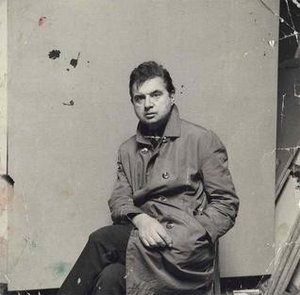
1909 - 1992 , Írország


Maradjon naprakész a legfrissebb művészeti hírekkel, exkluzív ajánlatokkal és dekorációs ötletekkel.
Írja le nekünk projektjét, és művészeti szakértőink 3 személyre szabott műalkotási javaslatot készítenek Önnek.
Hagyjuk, hogy mi válogassunk ki Önnek 3 legjobb opciót – Ingyenesen!


 Megtekintés
 Küldés
 Megosztás
 Részletek

 Letöltés
 Hasonló darabok
 X-ray felvétel
 Diavetítés
 Összes részlet megjelenítése


