x

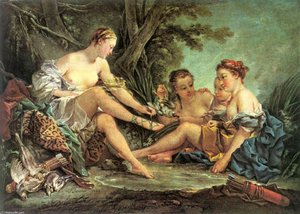
 Giclée PrintDigitalRococo Elegance
 1730
1730 59.0 x 72.0 cm
 Hermitázsmúzeum
Múzeumi minőségű giclée vagy vászonnyomat, gyors gyártással és rugalmas finomítási lehetőségekkel. ( Kézzel festett másolat rendelése Kép letöltése)
Válasszon előre meghatározott méreteink közül, amelyek megfelelnek a műalkotás eredeti arányainak.

Megadhat saját méreteket is egy konkrét kerethez vagy helyszínhez igazítva. Amennyiben a kiválasztott méret nem egyezik az eredeti kép arányokkal, a műalkotást le fogjuk vágni, vagy kiegészítjük a képet tükrözött vagy egyszínű szélekkel. A gyártás megkezdése előtt egy digitális tervezetet küldünk jóváhagyásra.
Kérjük, vegye figyelembe, hogy a képernyőn látható előnézet nem tükrözi a tényleges levágást vagy kiegészítést. Csak a tervezet mutatja pontosan a végső kompozíciót.
Bár az egyedi méretek is elérhetőek, az eredeti arányok megőrzése érdekében azt javasoljuk, hogy válasszon a előre meghatározott listából származó méretet.
Világszerte történő kiszállítás területére mindössze 2 hét alatt, a szokásos 4-5 hét helyett. (19 augusztus)


Crossing the Bridge
Reprodukció mérete

François Boucher (1703-1770) stands as a towering figure in the history of French art, indelibly linked to the opulent and sensual world of the Rococo. More than just a painter, he was a designer, decorator, and a key architect of the aesthetic sensibilities that defined 18th-century France – an era synonymous with elegance, pleasure, and refined beauty. His work isn’t merely decorative; it's a carefully constructed exploration of mythology, love, and aristocratic life, imbued with a captivating charm that continues to resonate today.
Born on September 29th, 1703, in the heart of Paris, François Boucher’s artistic journey began within a family already steeped in creative pursuits. His father, Nicolas Boucher, was himself a skilled embroiderer and designer – a profession that instilled in young François an appreciation for intricate detail and decorative artistry. Initially, he received his foundational training from his father, learning the fundamentals of design and color. However, at the age of seventeen, a pivotal encounter occurred: he caught the eye of François Lemoyne, the leading painter of the day and a master of the Rococo style. This apprenticeship provided Boucher with invaluable experience in mastering the techniques of composition, brushwork, and the delicate balance between form and color.
Further refining his skills, Boucher briefly studied under Jean-François Cars, a renowned engraver, gaining expertise in printmaking – a skill that would later prove crucial to his artistic development. But it was his victory at the Grand Prix de Rome in 1720 that truly launched him onto the path to greatness. This prestigious competition, established by King Louis XIV, offered a royal scholarship and residency in Rome—a golden opportunity for young artists to study the masterpieces of the Renaissance and Baroque periods.
Boucher’s time in Italy was transformative. He immersed himself in the works of titans like Tiziano, Veronese, and Tintoretto – absorbing their dramatic compositions, vibrant colors, and masterful use of light and shadow. Crucially, he also studied the work of Giovanni Domenico Tiepolo, Luca Giordano, and Sebastiano Ricci—artists known for their dynamic movement and theatrical flair. These encounters profoundly shaped Boucher’s artistic vision, influencing his approach to color, composition, and the portrayal of emotion.
Upon returning to France in 1724, Boucher embarked on a remarkable project: he meticulously copied over 120 paintings by Watteau, the master of the *rocaille* style. This painstaking effort allowed him to deeply understand Watteau’s techniques and his innovative approach to depicting intimate scenes and fleeting moments of beauty. It was a deliberate act of homage and a strategic move to establish himself within the established artistic circles.
Boucher's return to France coincided with a period of immense opportunity. He was quickly admitted to the Académie Royale de Peinture et de Sculpture in 1731, marking his official entry into the Parisian art world. His debut work, “Rinaldo and Armida” (1734), immediately captivated audiences and established him as a rising star. The painting showcased his burgeoning talent for creating dynamic compositions filled with mythological drama and exquisite detail.
Boucher’s career truly took off when he was commissioned to paint portraits of Madame de Pompadour, the influential mistress of King Louis XV. These portraits—particularly “Madame Boucher” (1756)—became iconic symbols of aristocratic elegance and sophistication. His ability to capture the sitter's personality and grace while adhering to the conventions of courtly portraiture solidified his position as the most sought-after painter in France.
Boucher’s oeuvre is remarkably diverse, encompassing a wide range of subjects—from mythological scenes and pastoral landscapes to intimate domestic moments and grand historical narratives. His paintings are characterized by their delicate brushwork, pastel palettes, and an emphasis on creating a sense of idyllic beauty and sensual pleasure. Recurring themes include love, beauty, leisure, and the idealized world of mythology.
Beyond painting, Boucher made significant contributions to the decorative arts. He designed costumes and sets for the theater, created tapestries for the Beauvais workshops, and collaborated with the Gobelins Manufactory—a testament to his versatility and influence as a designer. His appointment as *Premier Peintre du Roi* (First Painter of the King) in 1765 cemented his status as the leading artist of the French Rococo.
Despite facing criticism later in his career for perceived superficiality, François Boucher’s impact on subsequent generations of artists is undeniable. He influenced figures like Jean-Honoré Fragonard and contributed significantly to the development of Neoclassicism through his students. His work continues to be celebrated for its technical skill, artistic innovation, and enduring contribution to the Rococo style—a testament to a life dedicated to capturing the beauty and grace of 18th-century France.

1703 - 1770 , Francia

Explore the captivating world of François Boucher, master of Rococo painting! Discover his iconic works, aristocratic patronage, and lasting influence on French art history. Learn more at Most-Famous-Paintings.

Explore the captivating history of pastoral art from classical Arcadia to modern masterpieces. Discover key artists like Millet & Cole at Most-Famous-Paintings. Find serene landscape paintings for your home.
Fedezze fel a 10 legikonikusabb tájkép festményt! Monet, Van Gogh és más mesterek művei inspirálnak. Művészeti reprodukciók magas minőségben – tökéletes dekoráció otthonába. Böngésszen Most-Famous-Paintings.com-on!

Explore the rich history of pastoral art from classical Arcadia to contemporary interpretations. Discover key artists, themes & collecting tips at Most-Famous-Paintings.

Fedezze fel a Rokoko művészet 10 legikonikusabb remekművét! Ismerje meg Watteau, Boucher és Fragonard festményeinek történetét. Elegáns dekorációk inspirációja – Most-Famous-Paintings.com kínálatában megtalálható minden művészi nyomat. Explore the full collection online!


Maradjon naprakész a legfrissebb művészeti hírekkel, exkluzív ajánlatokkal és dekorációs ötletekkel.
Írja le nekünk projektjét, és művészeti szakértőink 3 személyre szabott műalkotási javaslatot készítenek Önnek.
Hagyjuk, hogy mi válogassunk ki Önnek 3 legjobb opciót – Ingyenesen!


 Küldés
 Megosztás
 Részletek

 Letöltés
 Hasonló darabok
 Diavetítés
 Összes részlet megjelenítése




































 Az üvegkeretes opció csak 110 cm alatti méretben érhető el