


x

 AcrylicWallArtGerman Expressionism
 1913
1913 73.0 x 157.0 cm
Kézzel festett olajvastú vászon, az Ön által választott méretben és keretben, művészeink készítik meglévőre. ( Nyomat rendelése Kép letöltése)





























Válasszon előre meghatározott méreteink közül, amelyek megfelelnek a műalkotás eredeti arányainak.

Ön megadhat saját méreteket egy adott kerethez vagy térhez igazításhoz. Ha a kiválasztott méret nem egyezik az eredeti kép arányával, akkor a műalkotást levágjuk, vagy további kézzel festett elemekkel meghosszabbítjuk a festményt. A gyártás megkezdése előtt küldünk Önnek egy digitális előnézetet jóváhagyásra.
Kérjük, vegye figyelembe, hogy a képernyőn megjelenő előnézet nem tükrözi a tényleges vágást vagy kiterjesztést. Csak az előnézet fog pontosan mutatni a végső kompozíciót.
Bár egyedi méretek állnak rendelkezésre, javasoljuk, hogy válasszon egy méretet az előre meghatározott listából az eredeti arányok megőrzése érdekében.
Világszerte elérhető szállítás () 3-4 hét alatt a szokásos 5 hét helyett. (20 augusztus). A minőség nem kérdőjelezhető.


Stables
Reprodukció mérete
Franz Marc’s “Stables,” completed in 1913, stands as a cornerstone of German Expressionism—a movement that sought to convey raw emotion and subjective experience rather than objective representation. More than just a depiction of livestock within a barn, it's an exploration of primal beauty and spiritual contemplation, reflecting Marc’s unwavering belief in the transformative power of art.
Marc’s artistic journey was profoundly shaped by his time in Paris, where he encountered the groundbreaking innovations of Picasso, van Gogh, Gauguin, and Matisse—artists who championed expressive color and fractured perspectives. “Stables” embodies this influence, utilizing Cubism's characteristic geometric simplification to dissect forms and present multiple viewpoints simultaneously. However, unlike many Cubist predecessors, Marc abandons strict analytical rigor for a vibrant emotional resonance.
The painting explodes with hues of crimson, sapphire blue, lemon yellow, and verdant green—colors deliberately chosen not merely for visual appeal but as conduits for conveying profound feelings. These shades pulsate with energy, mirroring the dynamism inherent in the animal subjects themselves.
Marc’s fascination with animals stemmed from meticulous observation at the Berlin Zoo, where he spent countless hours sketching and studying their forms. Animals weren't simply subjects; they functioned as symbols—representing truth, purity, and beauty—concepts central to Marc’s philosophical worldview. In “Stables,” the horses are rendered in abstracted shapes that merge seamlessly with their surroundings, symbolizing a harmonious connection between humanity and nature.
The geometric abstraction serves not to diminish the animals' presence but rather to elevate them to a realm of spiritual significance. Each color contributes to this overarching message—red representing vitality and passion, blue embodying serenity and contemplation, yellow conveying optimism and illumination.
"Stables" was conceived during the tumultuous prelude to World War I, a period marked by anxieties about societal upheaval and impending conflict. Yet, despite this backdrop of apprehension, Marc retained an unwavering faith in art’s capacity to inspire regeneration—a conviction that would tragically prove premature when he succumbed to illness at the young age of 36.
Nevertheless, “Stables” continues to resonate powerfully today, securing its place as a seminal work within Expressionism and influencing subsequent movements like Abstract Expressionism. Artists such as Jackson Pollock and Willem de Kooning recognized Marc’s pioneering approach to color and emotion—a legacy that transcends time and reaffirms the enduring power of art to communicate profound spiritual truths.
Franz Marc's "Stables" remains a testament to his artistic vision—a bold declaration of faith in nature’s beauty and an exploration of the human spirit. Its vibrant colors, fractured forms, and symbolic depth continue to captivate viewers, inviting contemplation on themes of truth, purity, and harmony.

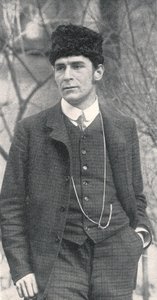
1880 - 1916 , Németország
Fedezze fel a Német Expresszionizmus 10 legikonikusabb műalkotását! Kirchner, Munch és más német mesterek érzelmi festményeinek történetét bemutatva. Vászonképek, faliképek otthonába – Most-Famous-Paintings.com kínálata.
Fedezze fel Marc Chagall 25 legikonikusabb művét! Ismerje meg a festő álmodozó világát, színes tájait és egyedi stílusát. Prémium minőségű Chagall reprodukciók – Most-Famous-Paintings.com.
Fedezze fel a kubizmus és expresszionizmus 10 legjelentősebb remekművét! Picasso, Braque és más ikonikus művészek alkotásainak története – Most-Famous-Paintings.com kínálatában minőségi reprodukciók és inspiráló otthon dekoráció. Böngéssze online gyűjteményünket!

Explore the profound world of Franz Marc's Expressionist paintings. Discover his spiritual connection to animals, innovative use of color, and lasting impact on modern art history. Learn more at Most-Famous-Paintings.

Explore the rich history & techniques of oil painting – from Renaissance masters to Impressionism. Discover pigments, layering methods, and why this timeless medium endures. Expert insights for artists & art enthusiasts.


Maradjon naprakész a legfrissebb művészeti hírekkel, exkluzív ajánlatokkal és dekorációs ötletekkel.
Írja le nekünk projektjét, és művészeti szakértőink 3 személyre szabott műalkotási javaslatot készítenek Önnek.
Hagyjuk, hogy mi válogassunk ki Önnek 3 legjobb opciót – Ingyenesen!


 Megtekintés
 Küldés
 Megosztás
 Részletek

 Letöltés
 Hasonló darabok
 X-ray felvétel
 Diavetítés
 Összes részlet megjelenítése







 Az üvegkeretes opció csak 110 cm alatti méretben érhető el


