x

Kézzel festett olajvastú vászon, az Ön által választott méretben és keretben, művészeink készítik meglévőre. ( Nyomat rendelése Kép letöltése)





























Válasszon előre meghatározott méreteink közül, amelyek megfelelnek a műalkotás eredeti arányainak.

Ön megadhat saját méreteket egy adott kerethez vagy térhez igazításhoz. Ha a kiválasztott méret nem egyezik az eredeti kép arányával, akkor a műalkotást levágjuk, vagy további kézzel festett elemekkel meghosszabbítjuk a festményt. A gyártás megkezdése előtt küldünk Önnek egy digitális előnézetet jóváhagyásra.
Kérjük, vegye figyelembe, hogy a képernyőn megjelenő előnézet nem tükrözi a tényleges vágást vagy kiterjesztést. Csak az előnézet fog pontosan mutatni a végső kompozíciót.
Bár egyedi méretek állnak rendelkezésre, javasoljuk, hogy válasszon egy méretet az előre meghatározott listából az eredeti arányok megőrzése érdekében.
Világszerte elérhető szállítás () 3-4 hét alatt a szokásos 5 hét helyett. (20 augusztus). A minőség nem kérdőjelezhető.


untitled (5080)
Reprodukció mérete
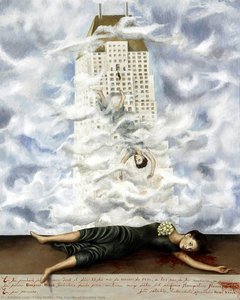
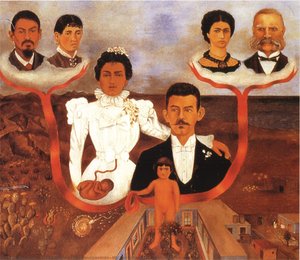
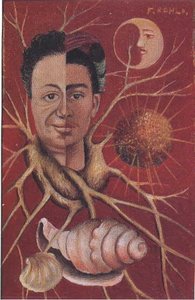
Frida Kahlo’s oeuvre is a landscape of profound personal reckoning, rendered in vibrant color and unsettling imagery. "Untitled (5080)," a painting shrouded in mystery regarding its precise date and size, offers a compelling entry point into this intensely private world. It's not merely a portrait; it’s a carefully constructed tableau vivant—a snapshot of a moment suspended between reality and dream, populated by figures caught in an intricate dance of observation and interaction. The scene unfolds within a vaguely defined cityscape, hinting at the bustling urban life that often served as a backdrop for Kahlo’s intensely introspective work. The painting immediately draws the eye to its central figure – a woman radiating a quiet strength amidst the surrounding chaos. Her posture is dignified, her gaze direct, and she holds a cup with an air of both contemplation and perhaps, a touch of melancholy.

Kahlo’s genius lies in her ability to imbue seemingly mundane objects with layers of symbolic meaning. The clock, a recurring motif in her work, often represents the passage of time, mortality, and the artist's own struggle against illness and pain. The vase and bowl, alongside the spoon and bottle, aren’t simply decorative elements; they evoke themes of nourishment, sustenance, and perhaps even the fragility of life itself. The presence of other figures – some standing alone, others engaged in conversation – suggests a community, yet one marked by isolation and unspoken anxieties. These individuals are not merely background characters; they contribute to the painting's overall atmosphere of quiet observation and subtle tension.
The church within the cityscape adds another layer of complexity. It can be interpreted as representing faith, tradition, or perhaps a yearning for stability amidst the turbulent currents of Kahlo’s life. The juxtaposition of the sacred and the secular underscores the artist's exploration of identity—her struggle to reconcile her Mexican heritage with her personal experiences.
While often categorized as surrealist, Kahlo’s work transcends simple labels. She wasn’t interested in replicating dreams; rather, she used the language of dream imagery to explore the raw realities of her own existence. The painting's style is characterized by a meticulous attention to detail—from the textures of the clothing to the subtle expressions on the faces of the figures. Kahlo employed a technique reminiscent of Mexican folk art, utilizing bold colors and simplified forms to create a visually arresting effect. Her use of oil paint on masonite (a durable material she favored) lends a slightly rough texture to the surface, mirroring the emotional rawness of her subject matter.
The painting’s composition is deliberately unbalanced, creating a sense of unease and disorientation. This reflects Kahlo's own experience of navigating a world that often felt chaotic and unpredictable. The lack of a clear focal point forces the viewer to actively engage with the scene, prompting questions about the relationships between the figures and their individual stories.
“Untitled (5080)” is more than just a beautiful painting; it's a poignant testament to Frida Kahlo’s extraordinary life and artistic vision. Her unflinching honesty, her willingness to confront difficult emotions, and her unique perspective on the human condition continue to resonate with audiences today. Reproductions of this work offer an intimate glimpse into the mind of one of the 20th century's most iconic artists—a reminder that art can be both a mirror reflecting our own struggles and a window into the souls of those who dared to explore them.


1907 - 1954 , Mexikó
Explore the profound legacy of Mexican art history, from the monumental murals of 'The Big Three' to the intimate surrealism of Frida Kahlo. A scholarly guide for art lovers seeking deep historical context and the beauty of masterwork reproductions.

Explore the profound depths of Surrealism. From Dalí’s dreamscapes to Magritte’s enigmas, master the history of the subconscious mind through our expert art guide and discover museum-quality oil reproductions of the world's most iconic surrealist masterpieces.


Maradjon naprakész a legfrissebb művészeti hírekkel, exkluzív ajánlatokkal és dekorációs ötletekkel.
Írja le nekünk projektjét, és művészeti szakértőink 3 személyre szabott műalkotási javaslatot készítenek Önnek.
Hagyjuk, hogy mi válogassunk ki Önnek 3 legjobb opciót – Ingyenesen!


 Megtekintés
 Küldés
 Megosztás
 Részletek

 Letöltés
 Hasonló darabok
 X-ray felvétel
 Diavetítés
 Összes részlet megjelenítése







 Az üvegkeretes opció csak 110 cm alatti méretben érhető el



![Legend Of St Francis - [10] - Exorcism Of The Demons At Arezzo — Giotto Di Bondone, Proto Renaissance](/media/artworks/images/thumbnails/ca/24/ca24db61ab644b6e87ed818158dd45ae.jpg)