


x

 Oil On CanvasWallArtBaroque Rococo
 1760Early Modern
 87.0 x 108.0 cm
 Metropolitan Művészeti Múzeum
Múzeumi minőségű giclée vagy vászonnyomat, gyors gyártással és rugalmas finomítási lehetőségekkel. ( Kézzel festett másolat rendelése Kép letöltése)





























Válasszon előre meghatározott méreteink közül, amelyek megfelelnek a műalkotás eredeti arányainak.

Megadhat saját méreteket is egy konkrét kerethez vagy helyszínhez igazítva. Amennyiben a kiválasztott méret nem egyezik az eredeti kép arányokkal, a műalkotást le fogjuk vágni, vagy kiegészítjük a képet tükrözött vagy egyszínű szélekkel. A gyártás megkezdése előtt egy digitális tervezetet küldünk jóváhagyásra.
Kérjük, vegye figyelembe, hogy a képernyőn látható előnézet nem tükrözi a tényleges levágást vagy kiegészítést. Csak a tervezet mutatja pontosan a végső kompozíciót.
Bár az egyedi méretek is elérhetőek, az eredeti arányok megőrzése érdekében azt javasoljuk, hogy válasszon a előre meghatározott listából származó méretet.
Világszerte történő kiszállítás területére mindössze 2 hét alatt, a szokásos 4-5 hét helyett. (22 augusztus)


Untitled (D2X8MC)
Reprodukció mérete
In the heart of the eighteenth century, the Neapolitan art scene pulsed with a unique energy, a blend of Venetian grandeur and a gritty, unyielding realism. At the center of this movement stood Gaspare Traversi, an artist whose brush possessed the rare ability to transform a simple domestic moment into a theatrical masterpiece. His work, particularly seen in pieces like The Concert, serves as a window into the Rococo era, capturing not just the elegance of the period but the profound psychological depth beneath the surface of social ritual. To behold a Traversi is to enter a space where light does not merely illuminate; it performs, carving figures out of the darkness with a precision learned from the great masters of the Caravaggist tradition.
Traversi’s technical prowess is rooted in his formative years under the legendary Francesco Solimena. From this mentorship, Traversi inherited a mastery of chiaroscuro—the dramatic interplay between light and shadow—which he utilized to instill his genre paintings with an almost palpable tension. In his compositions, the shadows are never empty; they are heavy with atmosphere, providing a velvety backdrop that pushes the brightly lit subjects toward the viewer. This technique creates a sense of intimacy and immediacy, making the observer feel less like a distant spectator and more like an uninvited guest standing at the edge of the room, witnessing a private moment of musical devotion or social intrigue.
What distinguishes Traversi from his contemporaries is his profound engagement with contemporary social realities. He was a master of genre painting, a style dedicated to depicting everyday life, yet he elevated these scenes through intricate detail and subtle social commentary. In works such as The Concert, we see more than just musicians; we see the hierarchy, the fashion, and the silent dialogues of the era. The placement of figures—the focused gaze of a young woman at the piano, the leaning postures of gentlemen engaged in hushed conversation—creates a rhythmic flow that mirrors the music being played. Every fold of silk, every glint of light on a violin, and every subtle facial expression contributes to a larger narrative about class, leisure, and the human condition.
For the discerning collector or interior designer, a reproduction of such a work offers more than mere decoration; it provides a focal point of intellectual and aesthetic depth. The painting’s ability to command attention through its complex composition makes it an ideal centerpiece for a sophisticated study, a grand salon, or a curated gallery wall. It brings with it a sense of historical weight and a timeless elegance that transcends modern trends. By integrating Traversi's dramatic vision into a contemporary space, one invites the soulful, theatrical spirit of Baroque Naples to reside within the home, offering a constant source of inspiration and a profound connection to the golden age of Italian painting.


1722 - 1770 , Olaszország
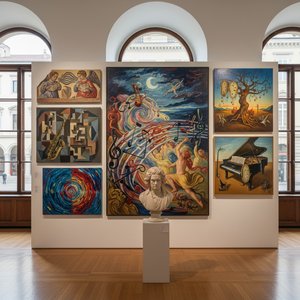
Explore the fascinating history of music's visual representation in art! From ancient symbolism to modern abstraction, discover how artists have captured sound and emotion on canvas. Expert insights & stunning examples.
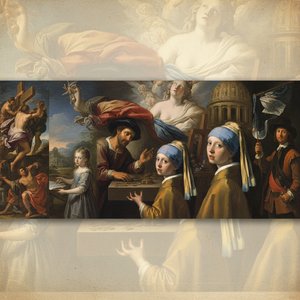
Fedezze fel a barokk művészet 10 legpártosabb remekművét! Caravaggio, Rembrandt és Vermeer alkotásainak története – Most-Famous-Paintings.com kínálatában exkluzív reprodukciók és inspiráló dekorációs ötletek várják Önt. Nézze meg most!

Explore the dramatic world of Baroque art! Discover iconic artists like Caravaggio & Rubens, defining techniques, and its lasting impact on art history. Expert insights for collectors & enthusiasts at Most-Famous-Paintings.

Explore the grandeur of Baroque portraiture! Discover Rubens, Van Dyck & the masters of 17th-century art. Uncover symbolism, techniques & lasting influence. Expert insights for collectors and enthusiasts.

Explore the captivating world of Pietro Longhi's Venetian scenes! Discover insightful analysis of his Rococo masterpieces & social commentary on 18th-century life. Learn about this 'Venetian Hogarth' and his lasting artistic legacy.


Maradjon naprakész a legfrissebb művészeti hírekkel, exkluzív ajánlatokkal és dekorációs ötletekkel.
Írja le nekünk projektjét, és művészeti szakértőink 3 személyre szabott műalkotási javaslatot készítenek Önnek.
Hagyjuk, hogy mi válogassunk ki Önnek 3 legjobb opciót – Ingyenesen!


 Megtekintés
 Küldés
 Megosztás
 Részletek

 Letöltés
 Hasonló darabok
 X-ray felvétel
 Diavetítés
 Összes részlet megjelenítése







 Az üvegkeretes opció csak 110 cm alatti méretben érhető el


