Értékelje át műveit
Kedvencek listája Kosár tartalma Cart
x
MegtekintésMegtekintés Műalkotás AR előnézeteMűalkotás AR előnézete Nyomat rendelése Nyomat rendeléseKézzel festett másolat rendelése Kézzel festett másolat rendelése KüldésKüldés
RészletekRészletek Kedvencekhez ad Kedvencekhez ad LetöltésLetöltés Hasonló darabokHasonló darabok X-ray felvételX-ray felvétel DiavetítésDiavetítés

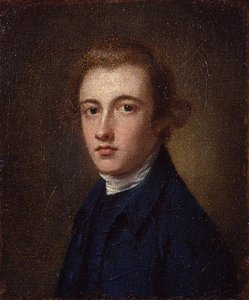
John Postlethwaite

George Romney’s "John Postlethwaite" (1734-1802) is a refined 18th-century portrait in oil on canvas. Admire its neoclassical style, elegant composition & subtle details.

Fedezze fel George Romney (1734-1802) ikonikus portréfestőit! Elegáns stílusa, Emma Hamilton múzája. Kézzel festett reprodukcióinkkal éljen meg a 18. századi brit társadalmat!

Vásároljon nagy felbontású, javított digitális képet, amely minőségében messze felülmúlja az online előnézetet.

Minden fájlt szakembereink a legmodernebb eszközök és precíz, kézi retusálás segítségével készítenek el aprólékosan. Gondoskodunk arról, hogy minden kép kivételes tisztasággal, pontos színhelyességgel és részletgazdag finomsággal rendelkezzen.

A végleges fájl 72 órán belül e-mailben megérkezik, professzionális, szerkesztői és nyomtatási környezetbe optimalizálva az azonnali használathoz. Ez ugyanaz a minőség, amelyben a legmeghatározóbb tervezőstúdiók, kiadók és galériák is megbízhatnak.

Digitális kép

Töltsön le nagy felbontású fájlt személyes kiállításokhoz, nyomtatáshoz és kreatív projektekhez. (Nyomat rendelése Nyomat rendeléseKézzel festett másolat rendelése Kézzel festett másolat rendelése)

Összesített ár

$ 24,90

Minden digitális kép rendeléséhez tartozó extrák

Szakértői digitális kézbesítés, garantáltan

Amikor a Most-Famous-Paintings.com szolgáltatást választja, nem csupán egy képet kap – professzionálisan felmagasított digitális műalkotást kap, amely precizitással készült, és amelyet megelégsedési gwarancia tesz biztoslássá. Az alábbiakban automatikusan minden benne 】

shipping_icon
Gyors e-mail teslimítés

A nagy felbontású digitális képmásolatát a megrendelést követő 72 órán belül e-mailben elküldjük Önnek – azonnal használható formátumban.

canvas_icon
MI-alapú digitális fejlesztésű fájl

Műve professzionális módon kerül optimalizálásra fejlett mesterséges intelligencia eszközök és manuális szerkesztés segítségével, biztosítva a maximális részletességet, tisztaságot és színpontosságot.

insurance_icon
Örök életű ingyenes újradelivery

Véletlenül törölted vagy elvesztetted a fájlodat? Ne aggódj – bármikor ingyen újra megküldjük neked.

tax_icon
Nincs importköltség – soha

Élvezze műalkotásait azonnal, vám, illeték vagy szállítási költség nélkül – a digitális letöltések mindig adamentesek.

color_icon
Színpontosság garantálása

Professzionális eszközök és színkezelés segítségével garantáljuk, hogy digitális képe a lehető legpontosabban tükrözze az eredeti színeket.

return_icon
60 napos elégedettségi garancia

Ha nemມີ elégedett a digitális képpel, 60 napon belül átmunkáljuk azt, vagy 100% visszatérítjük az amountot – kérdés nélkül.

guarantee_icon
100% Pénzvisszatérítési garancia

Nem érheted el a teljes elégedettséget? 60 napon belül teljes visszatérítést kapsz a digitális fájlod megérkezése után – kérdés nélkül.

discount_icon
Tömegrendelési kedvezmények

Vásároljon 3 képet, spóroljon 10%-et - Vásároljon 5-öt, spóroljon 15%-et - Vásároljon 10+ képet, spóroljon 20%-at. Kiváló kreatív projektekhez, galériákhoz és ügynökségekhez.

Gyors információk

  • Artistic style: Portrait, Rococo
  • Subject or theme: Man of the era
  • Medium: Oil on canvas
  • Year: 1734-1802
  • Title: John Postlethwaite
  • Location: Abbot Hall Art Gallery
  • Dimensions: 87 x 111 cm

Művészeti kvíz

Minden kérdésre csak egy helyes válasz létezik.

Kérdés 1:
What artistic movement is most closely associated with George Romney’s style as exemplified by ‘John Postlethwaite’?
Kérdés 2:
The portrait depicts a man dressed in attire typical of which historical period?
Kérdés 3:
According to the description, what is a key element of Romney’s technique in creating texture and form?
Kérdés 4:
Who is the artist who painted ‘John Postlethwaite’?
Kérdés 5:
The landscape background in the portrait suggests what aspect of the subject's life?

A gyűjtemény részletei

The Elegance of a Gentleman: Unveiling John Postlethwaite

George Romney’s “John Postlethwaite,” painted circa 1780, is more than just a portrait; it's a meticulously crafted window into the social and artistic landscape of late 18th-century Britain. This remarkable work, currently residing at Abbot Hall Art Gallery in England, exemplifies Romney’s signature style – a harmonious blend of classical restraint and subtle sensuality that secured his position as one of the most sought-after portrait painters of his era. The painting immediately draws the eye with its dignified subject, a gentleman rendered in the height of fashionable attire, embodying the ideals of wealth, status, and cultivated taste.

John Postlethwaite by George Romney

A Masterclass in Rococo Technique

Romney’s technical prowess is immediately apparent in the painting's exquisite detail and masterful use of color. Executed in oil on canvas, “John Postlethwaite” showcases a refined Rococo style – characterized by delicate brushwork, soft lighting, and an emphasis on texture and surface quality. Romney employs a technique known as glazing, layering thin washes of paint to build up depth and luminosity, creating a remarkably smooth and polished finish. Note the subtle variations in tone across the fabric of his coat, the meticulous rendering of the lace at his collar, and the delicate highlights on his face – each element contributing to an overall sense of realism and sophistication. The background landscape, rendered with atmospheric perspective, subtly recedes into the distance, anchoring the figure within a believable yet idealized setting.

Historical Context: Romney’s Rise to Prominence

To fully appreciate “John Postlethwaite,” it's essential to understand the context of George Romney’s career. Born in 1734 into a family of cabinet makers, Romney initially trained as a craftsman before discovering his passion for painting under the tutelage of Christopher Steele. He quickly surpassed his mentor and embarked on a successful career as a portrait painter, becoming immensely popular among London's elite. Romney’s ability to capture not only physical likeness but also the personality and social standing of his subjects made him highly sought after by wealthy patrons – including members of the Royal Family. His work reflects the prevailing artistic trends of the era, drawing inspiration from both classical antiquity and contemporary European styles.

Symbolism and Social Significance

Beyond its technical brilliance, “John Postlethwaite” offers a glimpse into the social values and aspirations of 18th-century England. The gentleman’s attire – a richly embroidered coat, elegant breeches, and a meticulously crafted cravat – speaks volumes about his wealth and status. The pose itself, with one hand resting on the pedestal, conveys an air of confidence and authority. The inclusion of the landscape background subtly reinforces the connection between aristocratic privilege and natural beauty—a common theme in portraiture of the period. Romney’s portraits were not merely representations of individuals; they were carefully constructed statements about identity, social standing, and cultural values.

A Timeless Portrait: Reproduction Possibilities

“John Postlethwaite” remains a captivating work of art, offering a rich tapestry of historical, artistic, and symbolic elements. High-quality reproductions are available, allowing art lovers to bring this exquisite portrait into their homes or offices. When selecting a reproduction, consider the materials used – archival quality prints on canvas or fine art paper will ensure that the colors and details remain vibrant for generations to come. This painting is more than just an image; it’s a portal to a bygone era—a testament to the enduring power of portraiture to capture beauty, status, and the essence of human character.


A művész életrajza

A Life in Portraiture: The World of George Romney

Born in the picturesque landscape of Dalton-in-Furness, Lancashire, on December 15th, 1734, George Romney ascended to become one of the most sought-after portrait painters of his era. His journey from a cabinet maker’s son to the favored artist of British high society is a compelling narrative of innate talent and unwavering ambition. Early life offered little indication of the artistic path he would forge; initially apprenticed to his father, it was an inherent inclination towards drawing and craftsmanship that led him to Christopher Steele, a local portraitist who had studied in Paris. This apprenticeship proved pivotal, providing Romney with foundational skills and an introduction to European artistic traditions. He quickly surpassed his master, however, demonstrating a precocious talent demanding further cultivation. A brief, unhappy marriage and subsequent separation propelled him towards London in 1762, a city brimming with opportunity but also fierce competition.

Establishing a Reputation: Style and Technique

London proved to be a crucible for Romney’s artistic development. He swiftly established himself as a formidable portraitist, challenging the dominance of artists like Thomas Gainsborough and Sir Joshua Reynolds. While he never sought membership in the Royal Academy – a decision that perhaps limited his access to certain patronage – his success was undeniable. Romney's style evolved over time, initially reflecting the influence of Steele and his Parisian training, but soon blossomed into something distinctly his own. He possessed an exceptional ability to capture not merely the likeness, but also the personality and social standing of his sitters. His portraits are characterized by elegant poses, a refined use of light and shadow, and a subtle psychological insight that set him apart. Romney’s technique was marked by a delicate touch and a preference for flowing lines, often drawing inspiration from classical sculpture. He skillfully employed color to convey texture and depth, creating portraits that were both visually striking and emotionally resonant. His ability to flatter his subjects while maintaining artistic integrity earned him the loyalty of an elite clientele. He understood the power of suggestion, hinting at character rather than explicitly defining it, a quality that appealed to those who valued discretion and refinement.

The Muse and Her Influence: Emma Hamilton

Romney’s life took a dramatic turn with his encounter with Emma Hart, later known as Lady Hamilton, in 1782. She became not only his most celebrated model but also his muse, profoundly influencing his artistic output. Emma's beauty, intelligence, and theatrical flair captivated Romney, inspiring a series of portraits that explored themes of classical mythology, dramatic narrative, and feminine grace. He depicted her in various roles – as a spinner, as the tragic Miranda from Shakespeare’s *The Tempest*, and in numerous allegorical scenes that showcased her expressive range. These works demonstrate Romney's willingness to experiment with composition and symbolism, moving beyond conventional portraiture into more imaginative territory. The Tempest series, in particular, reveals a Romantic sensibility at play, anticipating the emotional intensity of later artists. The relationship was intense and all-consuming for Romney, though ultimately unfulfilled romantically; Emma eventually became the mistress of Lord Nelson, a union that cemented her place in history. Nevertheless, their artistic collaboration left an indelible mark on both their lives and produced some of Romney’s most enduring masterpieces. It is said he painted over 80 portraits of her, each revealing a different facet of her captivating personality.

Notable Works and Artistic Development

Romney's oeuvre encompasses a diverse range of subjects, reflecting his versatility as an artist. Among his most celebrated works are *Peter and James Romney* (a touching portrait of his brothers), *Portrait of G. Cowper*, and the dramatic *The Death of General Wolfe*, which secured him a prestigious award from the Royal Society of Arts in 1799. These paintings showcase his evolving style, moving from more formal, classical compositions to increasingly dynamic and emotionally charged scenes. His later portraits often display a heightened sense of intimacy and psychological depth, indicative of his growing mastery of capturing the inner lives of his subjects. Romney’s artistic development can be traced through his exploration of light, color, and composition—elements that he skillfully employed to create works of enduring beauty and significance.

Legacy and Historical Significance

George Romney's impact on British portraiture is undeniable. He helped shape the aesthetic sensibilities of the late 18th century, contributing to a style that emphasized elegance, psychological depth, and artistic flair. His portraits offer invaluable insights into the lives and tastes of the British elite during his time, providing a visual record of their social customs, fashion, and intellectual pursuits. While he faced periods of self-doubt and struggled with mental health issues in later life – leading to a decline in productivity before his death in Kendal in 1802 – his legacy endures through the hundreds of paintings and drawings that remain as testaments to his skill. His work continues to be admired for its technical brilliance and emotional resonance. Romney’s influence can be seen in the portraits of subsequent generations of British artists. The enduring fascination with his relationship with Emma Hamilton adds another layer of intrigue to his story. He remains a significant figure in the history of art, a master portraitist who captured the spirit of an age and left behind a body of work that continues to captivate and inspire. Romney’s portraits are not merely representations of individuals; they are windows into a vanished world.
George Romney

George Romney

1734 - 1802 , Egyesült Királyság

Érdekességek

  • Artistic Movement Or Style: Portréfestészet, Romantika
  • Artists Or Movements Influenced By This Artist: ['Angol festők']
  • Artists Who Influenced This Artist:
    • Steele
    • Vanloo
    • Raffael
    • Tiziano
  • Date Of Birth: Dec 15, 1734
  • Date Of Death: Nov 15, 1802
  • Full Name: George Romney
  • Nationality: Angol
  • Notable Artworks:
    • Peter Romney
    • Cowper portréja
    • Wolfe halála
  • Place Of Birth: Dalton-in-Furness, UK