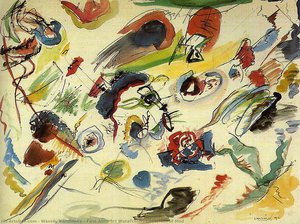
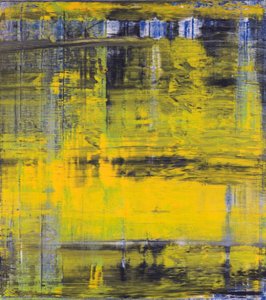
x

 Abstract Expressionism
 1998
1998 19.0 x 65.0 cm
Vásároljon nagy felbontású, javított digitális képet, amely minőségében messze felülmúlja az online előnézetet.
Minden fájlt szakembereink a legmodernebb eszközök és precíz, kézi retusálás segítségével készítenek el aprólékosan. Gondoskodunk arról, hogy minden kép kivételes tisztasággal, pontos színhelyességgel és részletgazdag finomsággal rendelkezzen.
A végleges fájl 72 órán belül e-mailben megérkezik, professzionális, szerkesztői és nyomtatási környezetbe optimalizálva az azonnali használathoz. Ez ugyanaz a minőség, amelyben a legmeghatározóbb tervezőstúdiók, kiadók és galériák is megbízhatnak.
Töltsön le nagy felbontású fájlt személyes kiállításokhoz, nyomtatáshoz és kreatív projektekhez. ( Nyomat rendelése Kézzel festett másolat rendelése)
Amikor a Most-Famous-Paintings.com szolgáltatást választja, nem csupán egy képet kap – professzionálisan felmagasított digitális műalkotást kap, amely precizitással készült, és amelyet megelégsedési gwarancia tesz biztoslássá. Az alábbiakban automatikusan minden benne 】

A nagy felbontású digitális képmásolatát a megrendelést követő 72 órán belül e-mailben elküldjük Önnek – azonnal használható formátumban.

Műve professzionális módon kerül optimalizálásra fejlett mesterséges intelligencia eszközök és manuális szerkesztés segítségével, biztosítva a maximális részletességet, tisztaságot és színpontosságot.

Véletlenül törölted vagy elvesztetted a fájlodat? Ne aggódj – bármikor ingyen újra megküldjük neked.

Élvezze műalkotásait azonnal, vám, illeték vagy szállítási költség nélkül – a digitális letöltések mindig adamentesek.

Professzionális eszközök és színkezelés segítségével garantáljuk, hogy digitális képe a lehető legpontosabban tükrözze az eredeti színeket.

Ha nemມີ elégedett a digitális képpel, 60 napon belül átmunkáljuk azt, vagy 100% visszatérítjük az amountot – kérdés nélkül.

Nem érheted el a teljes elégedettséget? 60 napon belül teljes visszatérítést kapsz a digitális fájlod megérkezése után – kérdés nélkül.

Vásároljon 3 képet, spóroljon 10%-et - Vásároljon 5-öt, spóroljon 15%-et - Vásároljon 10+ képet, spóroljon 20%-at. Kiváló kreatív projektekhez, galériákhoz és ügynökségekhez.

Born Moishe Chagall in Vitebsk, Belarus, on July 7, 1887, Marc Chagall’s life was a vibrant tapestry woven from the threads of Russian Jewish heritage, Parisian artistic innovation, and deeply personal symbolism. His early years were marked by poverty and upheaval – his family moved frequently due to economic hardship and political instability. This itinerant existence instilled in him a profound appreciation for movement and change, themes that would become central to his art. His father, a herring merchant, provided a modest but grounding influence, while his mother’s love of literature and music nurtured his creative spirit. Chagall's artistic journey began modestly, with lessons from a local painter, Jehuda Pen, followed by brief stints in Saint Petersburg academies – experiences that exposed him to the burgeoning avant-garde movements taking shape across Europe.
The pivotal moment arrived in 1911 when he secured a grant to travel to Paris. This marked a dramatic shift in his artistic direction. Immersed in the energy of Montparnasse, he encountered the revolutionary ideas of Fauvism and Cubism, absorbing their bold colors and fragmented perspectives. He quickly established himself within a circle of influential artists – Delaunay, Léger, Soutine, Lipchitz, and writers like Apollinaire and Salmon – forging connections that would profoundly shape his artistic development. His early Parisian works, such as *Golgotha* (1912) and *Homage to Apollinaire* (1912-13), demonstrated a willingness to experiment with new techniques and subject matter, reflecting the dynamism of the era.
Following World War I, Chagall returned to Vitebsk, a city grappling with political turmoil. He married Bella Rosenfeld in 1914, a union that would endure for over fifty years and serve as his primary source of inspiration. Their life together was marked by both joy and tragedy – the birth of their daughter, Ida, followed by the devastating loss of Bella during the Russian Revolution. Despite these hardships, Chagall continued to produce an astonishing volume of work, exploring themes of faith, memory, and the complexities of human relationships. His paintings from this period—*Promenade*, *Over the Town*, and *Apparition*—are characterized by a distinctive style that blended elements of Cubism, Fauvism, and Russian folklore.
The tumultuous years following the Revolution saw Chagall navigating a complex political landscape. Initially supportive of the Bolshevik ideals, he quickly became disillusioned with their authoritarian tendencies. His outspoken criticism led to his dismissal from his positions at the Vitebsk Fine Arts School and as Commissioner of Fine Arts. Forced to flee Russia in 1922, he sought refuge in Berlin, where he found renewed recognition through the efforts of art dealer Ambroise Vollard. This period witnessed a shift towards greater emotional intensity and a deepening engagement with religious iconography.
Chagall’s return to Paris in 1923 marked a significant chapter in his artistic evolution. He established a studio in Montparnasse, surrounded by fellow artists and writers, and continued to develop his unique visual language. His work during this period—including the iconic *I and the Village* (1916-17)—became increasingly infused with personal symbolism, drawing upon Jewish mythology, folklore, and memories of his childhood in Vitebsk. The recurring motifs of water, flight, and family – particularly Bella – emerged as powerful symbols within his oeuvre.
The 1930s saw Chagall experimenting with printmaking, notably his *Miserere* series (1925-1937), a deeply moving exploration of human suffering and redemption. These lithographs, commissioned by Ambroise Vollard, are considered among the most significant works of his career, showcasing his mastery of line, composition, and emotional expression. During this time he also began to incorporate elements of Surrealism into his work, reflecting the growing influence of psychoanalytic theory.
Marc Chagall died in 1983 at the age of 96, leaving behind a vast and profoundly influential body of work. His paintings are celebrated for their vibrant colors, dreamlike imagery, and deeply personal symbolism. He remains one of the most beloved artists of the 20th century, admired for his ability to capture the essence of human experience with both grace and power. His art continues to resonate with audiences worldwide, inviting us to enter a world of imagination, faith, and enduring beauty. His work is held in major museums around the globe, including the Museum of Modern Art (MoMA) in New York, the Centre Pompidou in Paris, and the State Russian Museum in Saint Petersburg.

1914 - 2007


Maradjon naprakész a legfrissebb művészeti hírekkel, exkluzív ajánlatokkal és dekorációs ötletekkel.
Írja le nekünk projektjét, és művészeti szakértőink 3 személyre szabott műalkotási javaslatot készítenek Önnek.
Hagyjuk, hogy mi válogassunk ki Önnek 3 legjobb opciót – Ingyenesen!


 Megtekintés
 Küldés
 Megosztás
 Részletek

 Letöltés
 Hasonló darabok
 X-ray felvétel
 Diavetítés
 Összes részlet megjelenítése