x

 Oil On CanvasWallArtNeoclassical/Romantic
 1785
1785 89.0 x 132.0 cm
 Tate Galéria
Kézzel festett olajvastú vászon, az Ön által választott méretben és keretben, művészeink készítik meglévőre. ( Váltás nyomtatványra Képváltás)





























Válasszon előre meghatározott méreteink közül, amelyek megfelelnek a műalkotás eredeti arányainak.

Ön megadhat saját méreteket egy adott kerethez vagy térhez igazításhoz. Ha a kiválasztott méret nem egyezik az eredeti kép arányával, akkor a műalkotást levágjuk, vagy további kézzel festett elemekkel meghosszabbítjuk a festményt. A gyártás megkezdése előtt küldünk Önnek egy digitális előnézetet jóváhagyásra.
Kérjük, vegye figyelembe, hogy a képernyőn megjelenő előnézet nem tükrözi a tényleges vágást vagy kiterjesztést. Csak az előnézet fog pontosan mutatni a végső kompozíciót.
Bár egyedi méretek állnak rendelkezésre, javasoljuk, hogy válasszon egy méretet az előre meghatározott listából az eredeti arányok megőrzése érdekében.
Világszerte elérhető szállítás () 3-4 hét alatt a szokásos 5 hét helyett. (5 augusztus). A minőség nem kérdőjelezhető.


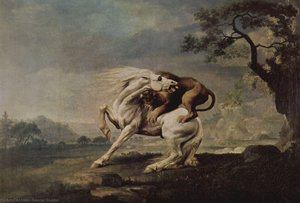
Haymaking
A reprodukció mérete
George Stubbs' "Haymaking," painted in 1785, isn’t merely a landscape; it’s a meticulously crafted tableau vivant—a snapshot of communal labor rendered with an almost unsettling level of detail and imbued with a quiet, profound beauty. Housed within the Tate Gallery in London, this oil on canvas offers a rare glimpse into the rhythms of 18th-century rural England, capturing not just the physical act of haymaking but also the social dynamics and inherent dignity of those involved.
The scene unfolds with remarkable clarity. A group of figures – men and women alike – are engaged in the arduous task of gathering hay beneath a vast, open sky. Stubbs’s genius lies not just in his ability to depict the physical exertion of the work—the straining muscles, the rhythmic movements—but also in his masterful understanding of human anatomy. Each individual is rendered with an almost scientific precision, reflecting Stubbs' lifelong fascination with animal and human form. The figures are not idealized; they possess a palpable physicality, their bodies conveying both strength and fatigue. This anatomical rigor elevates the painting beyond a simple depiction of rural life, transforming it into a study of the human condition.
Stubbs’s composition is carefully balanced, drawing the eye towards the central group while simultaneously establishing a sense of depth through the use of atmospheric perspective. The vast expanse of the field stretches out behind the workers, receding into a hazy distance punctuated by a solitary tree – a detail that subtly anchors the scene within its natural context. The artist’s brushwork is remarkably controlled, creating a smooth, almost polished surface that contrasts with the rough texture of the haystacks and the weathered clothing of the laborers. The use of light and shadow is particularly noteworthy, casting dramatic highlights on the figures and enhancing the sense of three-dimensionality.
The painting’s palette is dominated by earthy tones—ochres, browns, and greens—reflecting the colors of the field and the hay itself. However, Stubbs introduces subtle splashes of color through the clothing worn by the workers, adding visual interest and highlighting their individuality. The overall effect is one of understated elegance and quiet observation.
“Haymaking” transcends a simple depiction of agricultural labor; it carries layers of symbolic meaning. The communal nature of the work suggests a strong sense of community and shared purpose. The inclusion of both men and women working together underscores the importance of gender equality in rural society, a relatively rare subject for artists of the time. Furthermore, the figures’ direct gaze towards the viewer creates a powerful connection, inviting us to contemplate our own relationship with nature and labor.
Interestingly, Stubbs's choice to depict these laborers with such dignity—their bodies presented with anatomical accuracy and a sense of quiet strength—can be interpreted as a subtle critique of social hierarchies. By elevating the status of the working class, he challenges the prevailing attitudes of his time, suggesting that all individuals deserve respect and recognition.
“Haymaking” stands as a testament to George Stubbs’s extraordinary artistic talent and his unique approach to depicting both animals and humans. It is a painting that rewards careful observation, inviting viewers to delve into its layers of meaning and appreciate the artist's meticulous attention to detail. Reproductions of this iconic work capture the essence of Stubbs’s vision, allowing art lovers to experience the beauty and power of this remarkable masterpiece in their own homes. The painting exemplifies a pivotal moment in British art—a synthesis of scientific observation, anatomical precision, and Romantic sensibility that continues to resonate with audiences today.


1724 - 1806 , Egyesült Királyföld
Fedezze fel Georges Braque 25 legikonikusabb műalkotását! Ismerje meg a kubizmus történetét, Picasso hatását és a francia művész lenyűgöző festményeit. Múzeumi minőségű reprodukciók és inspiráló dekorációs ötletek a Most-Famous-Paintings.com-on.
Fedezze fel Georges Seurat 25 legikonikusabb művét! Ismerje meg a pontillizmus zsenialitását, az impresszionizmus forradalmát és a színek lenyűgöző játékát. Prémium minőségű reprodukciók és inspiráló otthoni dekorációk a Most-Famous-Paintings.com-on. Fedezze fel a teljes gyűjteményt online!

Fedezze fel a Metropolitan Művészeti Múzeum 25 legikonikusabb műalkotását! Monet, Van Gogh, Rembrandt és más mesterek remekműveinek történeteit olvassa el. Inspirálódjon otthon dekorációjához – magas minőségű festmény reprodukciók a Most-Famous-Paintings.com-on!

Fedezze fel Sir Alfred James Munnings 25 legszebb festményét! Ismerje meg a vidéki Anglia és a lovak mesterének életművét, technikáját és inspirációit. Vásároljon exkluzív reprodukciókat a Most-Famous-Paintings.com-on – múzeumi minőségben!

Fedezze fel a National Gallery Washington 25 legikonikusabb műalkotását! Cézanne, Matisse és Picasso remekművei – történetükkel, technikájukkal. Inspirálódjon festményekből otthona dekorációjához. Museum-minőségű reprodukciók a Most-Famous-Paintings.com oldalon!


Maradjon naprakész a legfrissebb művészeti hírekkel, exkluzív ajánlatokkal és dekorációs ötletekkel.
Írja le nekünk projektjét, és művészeti szakértőink 3 személyre szabott műalkotási javaslatot készítenek Önnek.
Hagyjuk, hogy mi válogassunk ki Önnek 3 legjobb opciót – Ingyenesen!


 Előnézet
 Megosztás
 Megosztás
 Részletek

 Letöltés
 Hasonló alkotások
 X-ray felvétel
 Diavetítés
 Tovább olvasom







 Az üvegkeretes opció csak 110 cm alatti méretben érhető el