
Értékelje át műveit
Kedvencek listája Kosár tartalma Cart
x
MegtekintésMegtekintés Műalkotás AR előnézeteMűalkotás AR előnézete Nyomat rendelése Nyomat rendeléseKézzel festett másolat rendelése Kézzel festett másolat rendelése KüldésKüldés
RészletekRészletek Kedvencekhez ad Kedvencekhez ad LetöltésLetöltés Hasonló darabokHasonló darabok X-ray felvételX-ray felvétel DiavetítésDiavetítés

The tower

Witness De Chirico’s haunting ‘The Tower,’ a surreal masterpiece exploring isolation and memory through stark black & white. Discover the metaphysical depths of this iconic work by Giorgio de Chirico.

Fedezd fel a Giorgio de Chirico szürreális világát! Kísérletezz álomtérképekkel, filozófiai témákkal és ikonikus manekinek-szobrokkal. Hatalmas hatással volt a szurrealizmusra.

Vásároljon nagy felbontású, javított digitális képet, amely minőségében messze felülmúlja az online előnézetet.

Minden fájlt szakembereink a legmodernebb eszközök és precíz, kézi retusálás segítségével készítenek el aprólékosan. Gondoskodunk arról, hogy minden kép kivételes tisztasággal, pontos színhelyességgel és részletgazdag finomsággal rendelkezzen.

A végleges fájl 72 órán belül e-mailben megérkezik, professzionális, szerkesztői és nyomtatási környezetbe optimalizálva az azonnali használathoz. Ez ugyanaz a minőség, amelyben a legmeghatározóbb tervezőstúdiók, kiadók és galériák is megbízhatnak.

Digitális kép

Töltsön le nagy felbontású fájlt személyes kiállításokhoz, nyomtatáshoz és kreatív projektekhez. (Nyomat rendelése Nyomat rendeléseKézzel festett másolat rendelése Kézzel festett másolat rendelése)

Összesített ár

$ 24,90

Minden digitális kép rendeléséhez tartozó extrák

Szakértői digitális kézbesítés, garantáltan

Amikor a Most-Famous-Paintings.com szolgáltatást választja, nem csupán egy képet kap – professzionálisan felmagasított digitális műalkotást kap, amely precizitással készült, és amelyet megelégsedési gwarancia tesz biztoslássá. Az alábbiakban automatikusan minden benne 】

shipping_icon
Gyors e-mail teslimítés

A nagy felbontású digitális képmásolatát a megrendelést követő 72 órán belül e-mailben elküldjük Önnek – azonnal használható formátumban.

canvas_icon
MI-alapú digitális fejlesztésű fájl

Műve professzionális módon kerül optimalizálásra fejlett mesterséges intelligencia eszközök és manuális szerkesztés segítségével, biztosítva a maximális részletességet, tisztaságot és színpontosságot.

insurance_icon
Örök életű ingyenes újradelivery

Véletlenül törölted vagy elvesztetted a fájlodat? Ne aggódj – bármikor ingyen újra megküldjük neked.

tax_icon
Nincs importköltség – soha

Élvezze műalkotásait azonnal, vám, illeték vagy szállítási költség nélkül – a digitális letöltések mindig adamentesek.

color_icon
Színpontosság garantálása

Professzionális eszközök és színkezelés segítségével garantáljuk, hogy digitális képe a lehető legpontosabban tükrözze az eredeti színeket.

return_icon
60 napos elégedettségi garancia

Ha nemມີ elégedett a digitális képpel, 60 napon belül átmunkáljuk azt, vagy 100% visszatérítjük az amountot – kérdés nélkül.

guarantee_icon
100% Pénzvisszatérítési garancia

Nem érheted el a teljes elégedettséget? 60 napon belül teljes visszatérítést kapsz a digitális fájlod megérkezése után – kérdés nélkül.

discount_icon
Tömegrendelési kedvezmények

Vásároljon 3 képet, spóroljon 10%-et - Vásároljon 5-öt, spóroljon 15%-et - Vásároljon 10+ képet, spóroljon 20%-at. Kiváló kreatív projektekhez, galériákhoz és ügynökségekhez.

Gyors információk

  • location: Unknown
  • artist: Giorgio de Chirico
  • medium: Unknown
  • style: Metaphysical art
  • subject: Architecture, landscape
  • notable elements: Tower with red roof, two figures in background
  • movement: Scuola metafisica

Művészeti kvíz

Minden kérdésre csak egy helyes válasz létezik.

Kérdés 1:
Giorgio de Chirico is most closely associated with which artistic movement?
Kérdés 2:
What is a prominent visual feature of the tower in this painting?
Kérdés 3:
De Chirico's metaphysical paintings often evoke a sense of…
Kérdés 4:
Which philosophical influences are known to have impacted De Chirico's work?

A gyűjtemény részletei

A Haunting Vision: De Chirico’s Tower

This striking black and white painting by Giorgio de Chirico presents a tall, enigmatic tower dominating a desolate landscape. The structure, crowned with a bold red roof, immediately draws the eye, its four visible sides each hinting at different architectural influences – a subtle suggestion of fragmented memories or unrealized possibilities. Two small figures stand in the background, dwarfed by the tower’s imposing presence, seemingly lost in contemplation or perhaps observing an unknowable mystery. The dark, atmospheric sky amplifies the sense of isolation and timelessness.

Metaphysical Masterpiece: Style & Technique

Executed with a precise yet dreamlike quality, this work is quintessential *pittura metafisica* – Metaphysical painting. De Chirico pioneered this movement in the early 20th century, rejecting traditional artistic conventions to explore the realm of dreams, subconscious anxieties, and philosophical questioning. The stark contrast between light and shadow, coupled with the simplified forms and illogical perspective, creates a disquieting yet captivating visual experience. While the medium is not specified, the painting’s smooth surfaces suggest oil on canvas, allowing for subtle gradations in tone that enhance its atmospheric depth.

Historical Context & Artistic Influences

Born in Greece to Italian parents, Giorgio de Chirico was deeply influenced by classical architecture, particularly Roman ruins and Renaissance piazzas. This fascination is evident in the tower’s design, which evokes a sense of ancient grandeur combined with an unsettling modernity. He drew inspiration from philosophers like Nietzsche and Schopenhauer, whose ideas about fate, illusion, and the human condition permeate his work. De Chirico's metaphysical paintings profoundly impacted the Surrealist movement, influencing artists such as Salvador Dalí and René Magritte. This piece, created around 1921, falls within a period where de Chirico was solidifying his unique visual language, exploring themes of alienation and the search for meaning in a rapidly changing world.

Symbolism & Interpretation

The tower itself is rich with symbolic potential. It can be interpreted as representing human ambition, isolation, or even the weight of history. The red roof provides a jarring focal point – a symbol of passion, danger, or perhaps simply an arbitrary element disrupting the otherwise monochromatic palette. The two figures, rendered small and indistinct, may represent humanity’s insignificance in the face of larger forces or our inherent loneliness. The desolate landscape reinforces this sense of existential unease. De Chirico intentionally avoided providing definitive interpretations of his work, preferring to allow viewers to project their own emotions and experiences onto the canvas.

Emotional Impact & Interior Design Considerations

This painting evokes a powerful emotional response – a blend of melancholy, mystery, and quiet contemplation. Its monochromatic palette and stark composition make it a versatile piece for interior design. It would complement modern or minimalist spaces, adding a touch of intellectual sophistication and artistic intrigue. The painting’s scale (unknown but likely substantial given the subject matter) suggests it could serve as a focal point in a living room, study, or hallway.
  • Its dramatic presence demands attention without overwhelming the space.
  • The black and white palette allows for flexibility with surrounding colors and furnishings.
  • It’s an excellent conversation starter, inviting viewers to engage with its enigmatic beauty.
This artwork is not merely a visual representation; it's an invitation to explore the depths of the human psyche and contemplate the mysteries of existence.

A művész életrajza

A Dreamscape of the Mind: The Life and Art of Giorgio de Chirico

Giorgio de Chirico’s artistic journey began in Volos, Greece, in 1888, a birthplace that would profoundly shape his unique vision. Born to Italian parents – a Genoese mother and a Sicilian father – he was immersed in a world of dual heritage, a blend of classical tradition and burgeoning modern alienation. His early education at the Athens Polytechnic provided him with a solid grounding in traditional techniques, but it was his subsequent studies in Munich that truly ignited his creative spirit. This period exposed him to the evocative landscapes and symbolic imagery of artists like Arnold Böcklin and Max Klinger, whose work resonated deeply with his own developing aesthetic sensibilities. Equally influential were the philosophical currents swirling through Europe at the time – the challenging ideas of Friedrich Nietzsche, Arthur Schopenhauer, and Otto Weininger, which explored themes of existentialism, the irrationality of human desire, and the subjective nature of reality. These intellectual currents became the bedrock upon which de Chirico built his groundbreaking artistic vision.

The Birth of Metaphysical Painting

Around 1909, a truly singular style began to emerge from de Chirico’s explorations – a style he himself termed “Metaphysical” art. This wasn't merely a stylistic innovation; it was a profound attempt to penetrate the surface of everyday life, to reveal the unsettling poetry hidden within familiar spaces. A pivotal moment occurred during a visit to Florence and an experience in Piazza Santa Croce, which served as the catalyst for his iconic ‘Metaphysical Town Square’ series. These paintings are characterized by their arresting stillness, long dramatic shadows, illogical perspectives, and the disconcerting presence of classical architecture juxtaposed with unsettling elements – faceless mannequins, looming statues, and a pervasive sense of isolation. The effect is deeply disquieting, evoking a potent blend of nostalgia, loneliness, and an almost unbearable longing for something lost or unattainable. It’s as if he was peering into a dreamscape, capturing the hidden anxieties and unspoken desires of the human psyche. De Chirico founded the Scuola Metafisica, profoundly impacting Surrealism, though his relationship with the movement remained complex and often fraught with disagreement over interpretations of his work. His paintings weren't intended as literal representations of dreams; rather, they were attempts to depict a reality beyond the visible world – a realm where time and space are fluid, and the boundaries between consciousness and unconsciousness blur. Works like *The Vexations of the Thinker*, *The Enigma of an Autumn Afternoon*, and *The Song of Love* exemplify this haunting aesthetic, inviting viewers to contemplate the mysteries of existence and the fragility of human perception.

Influences and Philosophical Roots

De Chirico’s artistic development was inextricably linked to his intellectual pursuits. He devoured the works of philosophers like Friedrich Nietzsche and Arthur Schopenhauer, whose ideas about existentialism, irrationality, and the subjective nature of reality deeply influenced his art. Nietzsche's concept of the "eternal recurrence" – the idea that life repeats itself infinitely – resonated with de Chirico’s fascination with cycles, repetition, and the sense of déjà vu that permeates many of his paintings. Schopenhauer’s pessimistic worldview, emphasizing the suffering inherent in human existence, informed the melancholic atmosphere of his works. The influence of Otto Weininger, a controversial Austrian philosopher who explored themes of sexuality and race, is also evident in de Chirico's exploration of psychological states and the unsettling juxtaposition of familiar objects. These philosophical currents provided him with a framework for exploring the darker aspects of human experience – alienation, loneliness, anxiety, and the search for meaning in a seemingly meaningless world.

A Shift in Style and Lasting Legacy

Following World War I, around 1919, de Chirico’s artistic trajectory took an unexpected turn. He consciously distanced himself from his earlier metaphysical approach, embracing instead a more traditional neoclassical or neo-baroque style. This shift was met with considerable criticism; many critics lamented the perceived abandonment of the innovative spirit that had defined his early work. However, de Chirico remained steadfast in his artistic choices, revisiting themes from his past but rendering them with a different aesthetic sensibility. He continued to paint and exhibit prolifically throughout his life, exploring various styles and subjects while maintaining a consistent commitment to craftsmanship and technical skill. Despite the criticism, his influence on subsequent generations of artists remains undeniable. His innovative use of space, perspective, and symbolism challenged conventional artistic norms and paved the way for new forms of expression. He left behind not just a body of artwork but a new way of seeing – a way of perceiving the world as a place of hidden meanings, unsettling beauty, and enduring mystery.

Key Influences & Artistic Lineage

  • Influenced By: Arnold Böcklin, Max Klinger, Friedrich Nietzsche, Arthur Schopenhauer.
  • Influenced: Surrealism, particularly artists like René Magritte and Salvador Dalí. His work also impacted later movements such as Magic Realism.
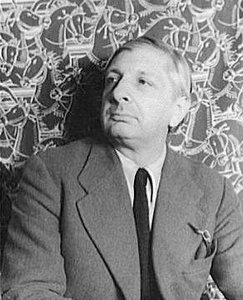
De Chirico

De Chirico

1888 - 1978 , Görögország

Érdekességek

  • Artistic Movement Or Style: Metafisziikai művészet
  • Artists Or Movements Influenced By This Artist: ['Surrealizmus']
  • Artists Who Influenced This Artist:
    • Böcklin
    • Klinger
  • Date Of Birth: 1888. 7. 10.
  • Date Of Death: 1978. 11. 20.
  • Full Name: Giorgio de Chirico
  • Nationality: Olasz
  • Notable Artworks:
    • A Veszélyes gondolatok
    • Őszi estének rejtélye
  • Place Of Birth: Volos, Görögország

