x

Múzeumi minőségű giclée vagy vászonnyomat, gyors gyártással és rugalmas finomítási lehetőségekkel. ( Kézzel festett másolat rendelése Kép letöltése)
Válasszon előre meghatározott méreteink közül, amelyek megfelelnek a műalkotás eredeti arányainak.

Megadhat saját méreteket is egy konkrét kerethez vagy helyszínhez igazítva. Amennyiben a kiválasztott méret nem egyezik az eredeti kép arányokkal, a műalkotást le fogjuk vágni, vagy kiegészítjük a képet tükrözött vagy egyszínű szélekkel. A gyártás megkezdése előtt egy digitális tervezetet küldünk jóváhagyásra.
Kérjük, vegye figyelembe, hogy a képernyőn látható előnézet nem tükrözi a tényleges levágást vagy kiegészítést. Csak a tervezet mutatja pontosan a végső kompozíciót.
Bár az egyedi méretek is elérhetőek, az eredeti arányok megőrzése érdekében azt javasoljuk, hogy válasszon a előre meghatározott listából származó méretet.
Világszerte történő kiszállítás területére mindössze 2 hét alatt, a szokásos 4-5 hét helyett. (21 augusztus)


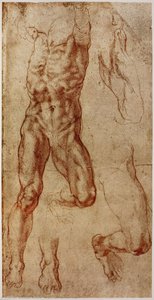
Dead hero
Reprodukció mérete

The years following his release from the reformatory were characterized by a relentless pursuit of self-education. Despite lacking formal schooling, Segantini taught himself to read and write, demonstrating an extraordinary determination and a profound thirst for knowledge. He initially found work as a photographer’s assistant, honing his observational skills and developing a keen eye for detail – qualities that would later prove invaluable in his artistic endeavors. It was during this period that he began to seriously explore painting, recognizing within himself a powerful creative force yearning to be expressed.
Crucially, Segantini's artistic development was profoundly shaped by the guidance of Vittorio Grubicy de Dragon, a prominent art critic and dealer who recognized his exceptional talent. Grubicy introduced him to the revolutionary techniques of Anton Mauve and Jean-François Millet – artists known for their realistic depictions of rural life and their masterful use of light and color. These influences, combined with Segantini’s own innate artistic sensibilities, laid the foundation for his distinctive style, characterized by a vibrant palette, meticulous attention to detail, and an evocative portrayal of the natural world.
Moving to Switzerland in 1886, Segantini found his true artistic home in the Engadin valley – a region dominated by towering peaks, pristine lakes, and verdant meadows. The dramatic beauty of this landscape profoundly impacted his work, inspiring him to create some of his most celebrated paintings. He meticulously documented the changing light conditions, capturing the ethereal glow of dawn and dusk, the crisp clarity of midday, and the soft hues of twilight. His paintings are not merely representations of scenery; they are imbued with a sense of spirituality and emotional resonance, reflecting his deep connection to the natural world.
Perhaps his most ambitious project was the “Alpine Triptych” (1896-1899), a monumental work that combined elements of landscape painting, symbolism, and allegory to create a complex meditation on the human condition. The triptych’s central panel, Il castigo delle lussuriose – "The Punishment of Luxury" – is particularly striking for its dramatic composition and powerful message about the dangers of excess. Segantini's final years were spent working on this ambitious project in Schafberg, near Pontresina, where he tragically died on September 28, 1899, at the age of 41.

1858 - 1899 , Ausztria


Maradjon naprakész a legfrissebb művészeti hírekkel, exkluzív ajánlatokkal és dekorációs ötletekkel.
Írja le nekünk projektjét, és művészeti szakértőink 3 személyre szabott műalkotási javaslatot készítenek Önnek.
Hagyjuk, hogy mi válogassunk ki Önnek 3 legjobb opciót – Ingyenesen!


 Megtekintés
 Küldés
 Megosztás
 Részletek

 Letöltés
 Hasonló darabok
 X-ray felvétel
 Diavetítés

 Összes részlet megjelenítése




































 Az üvegkeretes opció csak 110 cm alatti méretben érhető el