x

Kézzel festett olajvastú vászon, az Ön által választott méretben és keretben, művészeink készítik meglévőre. ( Nyomat rendelése Kép letöltése)





























Válasszon előre meghatározott méreteink közül, amelyek megfelelnek a műalkotás eredeti arányainak.

Ön megadhat saját méreteket egy adott kerethez vagy térhez igazításhoz. Ha a kiválasztott méret nem egyezik az eredeti kép arányával, akkor a műalkotást levágjuk, vagy további kézzel festett elemekkel meghosszabbítjuk a festményt. A gyártás megkezdése előtt küldünk Önnek egy digitális előnézetet jóváhagyásra.
Kérjük, vegye figyelembe, hogy a képernyőn megjelenő előnézet nem tükrözi a tényleges vágást vagy kiterjesztést. Csak az előnézet fog pontosan mutatni a végső kompozíciót.
Bár egyedi méretek állnak rendelkezésre, javasoljuk, hogy válasszon egy méretet az előre meghatározott listából az eredeti arányok megőrzése érdekében.
Világszerte elérhető szállítás () 3-4 hét alatt a szokásos 5 hét helyett. (15 augusztus). A minőség nem kérdőjelezhető.


Birds
Reprodukció mérete
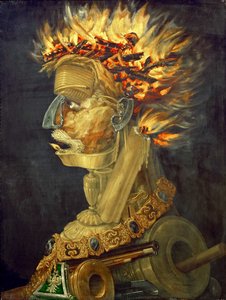
Giuseppe Arcimboldo's 1591 painting, “Vertumnus,” isn’t merely a portrait; it’s an immersive allegory, a meticulously constructed microcosm reflecting the political and philosophical currents of the late Renaissance. The work immediately captivates with its audacious beauty – a face formed entirely from the vibrant bounty of nature: plump fruits, verdant vegetables, delicate flowers, and even elements suggestive of tools and instruments. This isn’t a simple still life; it's a deliberate orchestration of forms designed to embody the spirit of Holy Roman Emperor Rudolf II, a man renowned for his intellectual curiosity, patronage of the arts, and fascination with the natural world. Arcimboldo, serving as Rudolf II’s court painter, skillfully employed this technique – transforming ordinary objects into extraordinary representations – to communicate complex ideas about power, harmony, and the cyclical rhythms of life.

The painting’s title, “Vertumnus,” derives from Roman mythology – the god of seasons, fertility, and gentle weather. This connection is profoundly relevant to the work's composition. Each element carefully chosen by Arcimboldo carries a specific symbolic weight. The abundance of fruits and vegetables speaks to the prosperity and bounty of Rudolf II’s reign, while the inclusion of tools like hammers and saws hints at his role as a ruler who commands industry and innovation. The careful arrangement of these disparate objects creates an illusion of seamless integration, suggesting that even seemingly contradictory forces – nature and technology, chaos and order – can be harmonized under wise leadership. The prominent placement of corn on the cheek is particularly significant, referencing Rudolf II’s agricultural endeavors and his connection to the land.
Arcimboldo’s approach to portraiture is distinctly Mannerist – a style that flourished in Europe during the late 16th century. Unlike the idealized representations prevalent in earlier Renaissance art, Mannerism prioritized expressive distortion, heightened color palettes, and complex compositions. “Vertumnus” exemplifies these characteristics perfectly: the figures are rendered with an almost theatrical exaggeration, their forms subtly warped to emphasize emotional intensity. The painting’s rich, jewel-toned colors – deep reds, vibrant greens, and golden yellows – further contribute to its dramatic effect. It's important to note that Arcimboldo was working within a period of intense intellectual ferment, where artists were increasingly exploring the relationship between art, science, and philosophy. The use of natural objects as portrait subjects reflected this broader interest in understanding the interconnectedness of all things.
“Vertumnus” remains a profoundly evocative work of art, offering viewers a glimpse into the mind of a Renaissance emperor and the artistic genius of Giuseppe Arcimboldo. Its intricate detail, symbolic richness, and masterful technique make it a captivating subject for study and appreciation. Whether displayed in a grand salon or a smaller private space, this painting invites contemplation on themes of power, nature, and the enduring beauty of human creativity. Reproductions capture the essence of this remarkable piece, allowing you to bring its enigmatic charm into your own home.
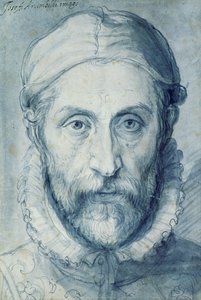
1527 - 1593 , Olaszország

Explore the profound history and technical mastery of watercolor painting. From medieval manuscripts to the luminous works of John Singer Sargent, discover how artists capture light and transparency through this delicate, enduring medium.
Explore the dramatic transition from High Renaissance harmony to Mannerist tension. Discover how masters like El Greco redefined art through distortion and spiritual intensity. An expert guide for art enthusiasts seeking deep historical context and museum-quality inspiration.


Maradjon naprakész a legfrissebb művészeti hírekkel, exkluzív ajánlatokkal és dekorációs ötletekkel.
Írja le nekünk projektjét, és művészeti szakértőink 3 személyre szabott műalkotási javaslatot készítenek Önnek.
Hagyjuk, hogy mi válogassunk ki Önnek 3 legjobb opciót – Ingyenesen!


 Megtekintés
 Küldés
 Megosztás
 Részletek

 Letöltés
 Hasonló darabok
 X-ray felvétel
 Diavetítés

 Összes részlet megjelenítése







 Az üvegkeretes opció csak 110 cm alatti méretben érhető el