


x

Kézzel festett olajvastú vászon, az Ön által választott méretben és keretben, művészeink készítik meglévőre. ( Nyomat rendelése Kép letöltése)





























Válasszon előre meghatározott méreteink közül, amelyek megfelelnek a műalkotás eredeti arányainak.

Ön megadhat saját méreteket egy adott kerethez vagy térhez igazításhoz. Ha a kiválasztott méret nem egyezik az eredeti kép arányával, akkor a műalkotást levágjuk, vagy további kézzel festett elemekkel meghosszabbítjuk a festményt. A gyártás megkezdése előtt küldünk Önnek egy digitális előnézetet jóváhagyásra.
Kérjük, vegye figyelembe, hogy a képernyőn megjelenő előnézet nem tükrözi a tényleges vágást vagy kiterjesztést. Csak az előnézet fog pontosan mutatni a végső kompozíciót.
Bár egyedi méretek állnak rendelkezésre, javasoljuk, hogy válasszon egy méretet az előre meghatározott listából az eredeti arányok megőrzése érdekében.
Világszerte elérhető szállítás () 3-4 hét alatt a szokásos 5 hét helyett. (23 augusztus). A minőség nem kérdőjelezhető.


Nature studies (12)
Reprodukció mérete
Giuseppe Arcimboldo’s oeuvre defies easy categorization, standing apart from the artistic currents of his time as a testament to singular vision and intellectual daring. Born in Milan in 1527, Arcimboldo emerged from the humanist Renaissance—a period characterized by renewed interest in classical learning and an embrace of empirical observation—to forge a path unlike any other.
These weren’t mere visual puzzles; they were profound statements about the human condition and a masterful embodiment of Renaissance symbolism. Arcimboldo's father, Biagio Arcimboldo, instilled in him an artistic sensibility that would propel him toward unprecedented experimentation.
Arcimboldo’s technique was revolutionary for its era. He employed watercolor—a medium favored by artists seeking luminous effects—with painstaking precision. Each element of his composite heads—fruits, vegetables, flowers, books—was painstakingly positioned to create a unified image that simultaneously represented the sitter and conveyed complex allegorical meanings.
The symbolism embedded within Arcimboldo’s works speaks volumes about the Renaissance preoccupation with humanist ideals and cosmological understanding. Each object selected carried specific connotations, referencing biblical narratives, mythological figures, and philosophical concepts.
Arcimboldo’s composite heads evoke a sense of wonder and intellectual curiosity. They compel viewers to engage in active interpretation, prompting reflection on themes of mortality, transformation, and the interconnectedness of nature and human intellect.

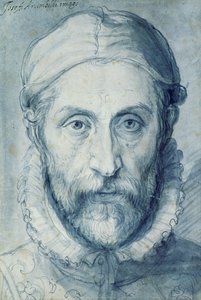
1527 - 1593 , Olaszország

Explore the profound history and technical mastery of watercolor painting. From medieval manuscripts to the luminous works of John Singer Sargent, discover how artists capture light and transparency through this delicate, enduring medium.


Maradjon naprakész a legfrissebb művészeti hírekkel, exkluzív ajánlatokkal és dekorációs ötletekkel.
Írja le nekünk projektjét, és művészeti szakértőink 3 személyre szabott műalkotási javaslatot készítenek Önnek.
Hagyjuk, hogy mi válogassunk ki Önnek 3 legjobb opciót – Ingyenesen!


 Megtekintés
 Küldés
 Megosztás
 Részletek

 Letöltés
 Hasonló darabok
 X-ray felvétel
 Diavetítés


 Összes részlet megjelenítése







 Az üvegkeretes opció csak 110 cm alatti méretben érhető el


