


x

 Acrylic On CanvasWallArtArcimboldo Mannerism
 1572
1572 92.0 x 71.0 cm
 Denver Art Museum
Kézzel festett olajvastú vászon, az Ön által választott méretben és keretben, művészeink készítik meglévőre. ( Nyomat rendelése Kép letöltése)





























Válasszon előre meghatározott méreteink közül, amelyek megfelelnek a műalkotás eredeti arányainak.

Ön megadhat saját méreteket egy adott kerethez vagy térhez igazításhoz. Ha a kiválasztott méret nem egyezik az eredeti kép arányával, akkor a műalkotást levágjuk, vagy további kézzel festett elemekkel meghosszabbítjuk a festményt. A gyártás megkezdése előtt küldünk Önnek egy digitális előnézetet jóváhagyásra.
Kérjük, vegye figyelembe, hogy a képernyőn megjelenő előnézet nem tükrözi a tényleges vágást vagy kiterjesztést. Csak az előnézet fog pontosan mutatni a végső kompozíciót.
Bár egyedi méretek állnak rendelkezésre, javasoljuk, hogy válasszon egy méretet az előre meghatározott listából az eredeti arányok megőrzése érdekében.
Világszerte elérhető szállítás () 3-4 hét alatt a szokásos 5 hét helyett. (24 augusztus). A minőség nem kérdőjelezhető.


Summer
Reprodukció mérete
Giuseppe Arcimboldo’s “Summer,” painted in 1572, isn't merely a portrait; it’s an audacious declaration of the Renaissance spirit – a vibrant, layered allegory woven from the bounty of nature itself. Born in Milan during a period of intense intellectual and artistic ferment, Arcimboldo was a master of transforming the mundane into the magnificent, a skill honed initially through his work adorning the cathedrals of his native city. “Summer” represents a pivotal shift in his career, moving beyond traditional courtly portraits to embrace a uniquely personal and symbolic style that captivated the eye of Emperor Rudolf II, who commissioned this extraordinary piece. The painting immediately arrests the viewer with its sheer exuberance: a human face constructed entirely from an astonishing array of fruits, vegetables, flowers, and foliage – a testament to Arcimboldo’s meticulous observation and artistic ingenuity.
The composition is a carefully orchestrated dance of seasonal elements. The face itself is dominated by the warm hues of summer produce: blushing peaches form the cheeks, plump cherries adorn the lips, and a vibrant orange nose hints at the sun’s warmth. Apple slices create the eyes, conveying an expression of gentle curiosity, while grapes meticulously arranged around the mouth suggest both sweetness and abundance. Beyond the face, a cascade of greenery – leaves, vines, and blossoms – frames the figure, creating a sense of enveloping vitality. The inclusion of elements like wheat stalks and ears of corn subtly allude to harvest and prosperity, anchoring the portrait within the rhythms of the natural world. Notably, Arcimboldo’s choice isn't random; each element carries symbolic weight, reflecting Renaissance ideals of harmony between humanity and nature.
Arcimboldo’s work is steeped in symbolism, drawing heavily from the philosophical currents of the time. The use of fruits and vegetables wasn’t simply decorative; it was a deliberate strategy to communicate complex ideas about power, mortality, and the cyclical nature of life. The abundance depicted in “Summer” could be interpreted as a celebration of Rudolf II's reign – a ruler who embraced both luxury and intellectual pursuits. Furthermore, the careful arrangement of these natural components mirrors the concept of *memento mori*, reminding viewers of their own mortality while simultaneously celebrating the beauty and transience of life. The inclusion of elements like the bird perched atop the head adds another layer of interpretation, perhaps representing wisdom or divine guidance.
“Summer” is executed in oil paint on canvas, demonstrating Arcimboldo’s mastery of detail and his ability to render textures with remarkable precision. The meticulous layering of fruits and vegetables creates a sense of depth and volume, while the vibrant colors contribute to the painting's overall dynamism. The piece stands as a testament to Arcimboldo’s innovative approach to portraiture, challenging conventional notions of representation and pushing the boundaries of artistic expression. It is now housed in the Denver Art Museum, where it continues to fascinate visitors with its ingenious construction and profound symbolism. Reproductions of this iconic work offer a chance to experience the magic of Arcimboldo's vision firsthand, bringing a touch of Renaissance exuberance into any space.

1527 - 1593 , Olaszország

Explore the rich history of still life painting & the symbolism of fruit across art movements. Discover masterpieces from Caravaggio to Cézanne with Most-Famous-Paintings – expert guidance & museum-quality reproductions.

Explore the profound beauty of fruit arrangement masterpieces. From Dutch Golden Age opulence to Baroque chiaroscuro, discover the art history, symbolism, and timeless elegance of classical still life paintings for the discerning collector.

Discover the profound beauty of fruit still life paintings. Explore the rich symbolism, Baroque mastery, and timeless allure of nature's bounty through an art-historical lens, perfect for collectors and enthusiasts of classical fine art.

Embark on a visual journey through the golden glow of summer fine art. Discover how masters captured sunlight through Impressionism and landscape painting. Explore premium hand-painted reproductions and expert curation for your collection.
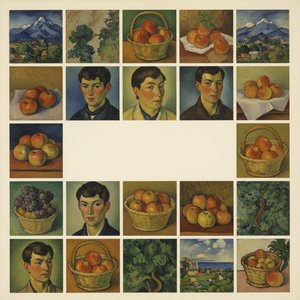
Fedezze fel Paul Cézanne 25 legikonikusabb művét! Ismerje meg a posztimpresszionizmus úttörőjének festményeit, technikáját és inspirációit. Vászonképek, portrék, tájképfestmények – minden otthonba. Böngéssze gyűjteményünket a Most-Famous-Paintings-on!


Maradjon naprakész a legfrissebb művészeti hírekkel, exkluzív ajánlatokkal és dekorációs ötletekkel.
Írja le nekünk projektjét, és művészeti szakértőink 3 személyre szabott műalkotási javaslatot készítenek Önnek.
Hagyjuk, hogy mi válogassunk ki Önnek 3 legjobb opciót – Ingyenesen!


 Megtekintés
 Küldés
 Megosztás
 Részletek

 Letöltés
 Hasonló darabok
 X-ray felvétel
 Diavetítés
 Összes részlet megjelenítése







 Az üvegkeretes opció csak 110 cm alatti méretben érhető el


