x

 Acrylic On CanvasWallArtArt Nouveau
 1898Early Medieval
 80.0 x 40.0 cm
Kézzel festett olajvastú vászon, az Ön által választott méretben és keretben, művészeink készítik meglévőre. ( Nyomat rendelése Kép letöltése)





























Válasszon előre meghatározott méreteink közül, amelyek megfelelnek a műalkotás eredeti arányainak.

Ön megadhat saját méreteket egy adott kerethez vagy térhez igazításhoz. Ha a kiválasztott méret nem egyezik az eredeti kép arányával, akkor a műalkotást levágjuk, vagy további kézzel festett elemekkel meghosszabbítjuk a festményt. A gyártás megkezdése előtt küldünk Önnek egy digitális előnézetet jóváhagyásra.
Kérjük, vegye figyelembe, hogy a képernyőn megjelenő előnézet nem tükrözi a tényleges vágást vagy kiterjesztést. Csak az előnézet fog pontosan mutatni a végső kompozíciót.
Bár egyedi méretek állnak rendelkezésre, javasoljuk, hogy válasszon egy méretet az előre meghatározott listából az eredeti arányok megőrzése érdekében.
Világszerte elérhető szállítás () 3-4 hét alatt a szokásos 5 hét helyett. (19 augusztus). A minőség nem kérdőjelezhető.


After the Rain
Reprodukció mérete
Gustav Klimt's "After the Rain," painted in 1898, isn’t merely a depiction of a rural landscape; it’s an immersion into a world of quiet contemplation and understated beauty. Emerging from Klimt’s period of profound artistic exploration – a time when he deliberately moved away from overtly narrative subjects to focus on the autonomous power of landscape itself – this work embodies his evolving style, foreshadowing the opulent goldwork that would define his later “Golden Phase.” The painting captures a fleeting moment after a storm, a scene brimming with a palpable sense of peace and renewal. Sheep graze peacefully amidst a verdant field, their forms rendered with a delicate touch, while a watchful dog surveys the tranquil scene. Trees stand as silent guardians, framing the composition and lending an air of timelessness to the tableau.
(Image courtesy of Google Arts & Culture)
Klimt's decision to dedicate summers to the countryside, particularly in the company of the Flöge family, proved pivotal to his artistic development. These retreats provided a crucial respite from the pressures of Viennese society and allowed him to reconnect with nature – a subject he increasingly valued for its inherent beauty and symbolic potential. Prior to this shift, Klimt’s work was often characterized by intense emotionality and psychological drama; however, these rural landscapes offered a space for introspection and a move towards a more restrained, yet equally powerful, aesthetic. The painting reflects this evolution – it's not about grand narratives or dramatic events, but rather the subtle poetry of everyday life.
While seemingly simple on the surface, “After the Rain” is rich with symbolic undertones. Sheep, traditionally associated with innocence and gentleness, represent a connection to the earth and a sense of vulnerability. The dog, often a symbol of guardianship and loyalty, watches over this peaceful scene, suggesting a protective presence. The rain itself – absent from the image but powerfully implied – represents cleansing and renewal, mirroring the overall atmosphere of hope and tranquility. Klimt’s use of color is particularly noteworthy; muted greens and browns create a sense of depth and realism, while subtle hints of gold—a hallmark of his future work—begin to emerge in the foliage, hinting at the opulent style he would soon embrace.
“After the Rain” is more than just a beautiful painting; it’s a window into Gustav Klimt’s evolving artistic vision. Created during a period of intense experimentation and personal transformation, this work demonstrates his growing interest in capturing the essence of nature and exploring its symbolic potential. The meticulous detail in the rendering of the animals, combined with the overall sense of serenity, invites viewers to pause and appreciate the quiet beauty of the natural world. This reproduction offers an exceptional opportunity to bring a piece of Klimt’s genius into your home, allowing you to experience firsthand the painter's profound connection to the landscapes that inspired his most iconic works. Consider this artwork not just as decoration, but as a meditation on peace, renewal, and the enduring power of nature.

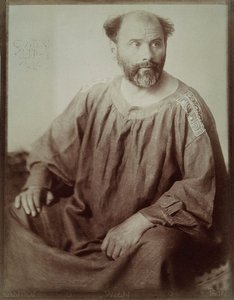
1862 - 1918 , Ausztria

Explore the profound impact of the Vienna Secession movement. Discover how visionaries like Gustav Klimt revolutionized modern art through symbolism, gold leaf, and the concept of Gesamtkunstwerk in this expert-led historical guide.

Explore the profound history of landscape masterpieces. From the Barbizon School to Monet's Impressionism, discover how timeless natural scenes bring serenity and prestige to your collection through museum-quality, hand-painted oil reproductions.


Maradjon naprakész a legfrissebb művészeti hírekkel, exkluzív ajánlatokkal és dekorációs ötletekkel.
Írja le nekünk projektjét, és művészeti szakértőink 3 személyre szabott műalkotási javaslatot készítenek Önnek.
Hagyjuk, hogy mi válogassunk ki Önnek 3 legjobb opciót – Ingyenesen!


 Megtekintés
 Küldés
 Megosztás
 Részletek

 Letöltés
 Hasonló darabok
 X-ray felvétel
 Diavetítés
 Összes részlet megjelenítése







 Az üvegkeretes opció csak 110 cm alatti méretben érhető el