x


Kézzel festett olajvastú vászon, az Ön által választott méretben és keretben, művészeink készítik meglévőre. ( Switch to Print Switch to Image)
Válasszon előre meghatározott méreteink közül, amelyek megfelelnek a műalkotás eredeti arányainak.

Ön megadhat saját méreteket egy adott kerethez vagy térhez igazításhoz. Ha a kiválasztott méret nem egyezik az eredeti kép arányával, akkor a műalkotást levágjuk, vagy további kézzel festett elemekkel meghosszabbítjuk a festményt. A gyártás megkezdése előtt küldünk Önnek egy digitális előnézetet jóváhagyásra.
Kérjük, vegye figyelembe, hogy a képernyőn megjelenő előnézet nem tükrözi a tényleges vágást vagy kiterjesztést. Csak az előnézet fog pontosan mutatni a végső kompozíciót.
Bár egyedi méretek állnak rendelkezésre, javasoljuk, hogy válasszon egy méretet az előre meghatározott listából az eredeti arányok megőrzése érdekében.
Világszerte elérhető szállítás () 3-4 hét alatt a szokásos 5 hét helyett. (28 július). A minőség nem kérdőjelezhető.


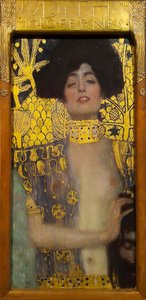
Jurisprudence
A reprodukció mérete
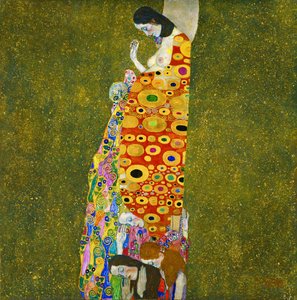
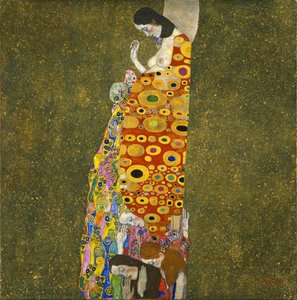
Gustav Klimt’s “Jurisprudence,” completed in 1907, stands as a monumental testament to the Art Nouveau movement's fascination with opulent decoration and symbolic representation. More than just a painting; it was conceived as part of a grand ceiling mural for Vienna University’s Great Hall—a project tragically lost to fire—making its surviving reproductions even more precious.
The artwork depicts Justice, Law and Truth as intertwined figures battling against turbulent waves—a visual metaphor for the challenges faced in upholding moral principles amidst societal pressures. The central figure embodies Justice herself, adorned with a robe embellished with geometric patterns reminiscent of Byzantine mosaics. Surrounding her are representations of Philosophy and Medicine, symbolizing intellect and healing – elements crucial to fostering a balanced society.
However, “Jurisprudence”’s true brilliance lies in its decorative complexity. Klimt employed a technique known as cloisonné enamel—a method traditionally used for liturgical objects—to create textured surfaces filled with shimmering gold leaf and vibrant pigments. These interwoven lines and patterns aren't merely ornamental; they actively contribute to the painting’s narrative, representing the labyrinthine nature of legal proceedings and the struggle for moral clarity.
A prominent motif is a figure standing upright, clutching a torch aloft—a symbol of enlightenment and illumination battling against the encroaching darkness. Above him floats a tapestry bearing the Latin word “LEX,” emphasizing the importance of law as a guiding force. The overall impression is one of profound contemplation – Klimt invites us to consider not only legal matters but also the ethical dilemmas inherent in navigating life’s complexities.
“Jurisprudence” continues to resonate with audiences today, serving as an enduring emblem of Art Nouveau's ambition to elevate art beyond mere visual pleasure into a vehicle for conveying philosophical and moral truths. Its exquisite craftsmanship and evocative symbolism solidify Klimt’s place among the most influential artists of his era.

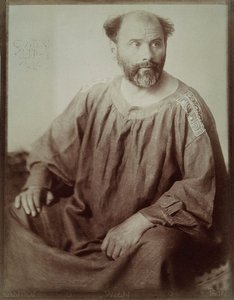
1862 - 1918 , Ausztria
Fedezze fel Gustav Klimt 25 legpazarabb művészeti alkotását! A szecesszió aranykora, ikonikus portrék és szerelmesek története. Vászonképek, reprodukciók és inspiráció otthonába – Most-Famous-Paintings.com.

Fedezze fel a 10 legikonikusabb Art Nouveau műalkotást! Ismerje meg Alphonse Mucha, Gustav Klimt és más mesterek történetét. Szecessziós festmények, plakátok és dekorációk – inspirálódjon otthona számára a Most-Famous-Paintings.com-on!

Fedezze fel a Metropolitan Művészeti Múzeum 25 legikonikusabb műalkotását! Monet, Van Gogh, Rembrandt és más mesterek remekműveinek történeteit olvassa el. Inspirálódjon otthon dekorációjához – magas minőségű festmény reprodukciók a Most-Famous-Paintings.com-on!

Fedezze fel a művészettörténet 10 legikonikusabb bronzszobrát! Ismerje meg Rodint, Michelangelót és más mestereket. Luxus minőségű nyomatok otthonába – Most-Famous-Paintings.com.

Fedezze fel a detroiti Művészeti Intézet 25 legikonikusabb műalkotását! Rembrandt, Monet, Van Gogh és más mesterek történetei. Vászonképek reprodukciói, inspiráló dekoráció otthonába – Most-Famous-Paintings.com.


Maradjon naprakész a legfrissebb művészeti hírekkel, exkluzív ajánlatokkal és dekorációs ötletekkel.
Írja le nekünk projektjét, és művészeti szakértőink 3 személyre szabott műalkotási javaslatot készítenek Önnek.
Hagyjuk, hogy mi válogassunk ki Önnek 3 legjobb opciót – Ingyenesen!


 Preview
 Megosztás
 Megosztás
 Részletek

 Letöltés
 Hasonló alkotások
 X-ray felvétel
 Diavetítés

 Tovább olvasom




































 Az üvegkeretes opció csak 110 cm alatti méretben érhető el