x

Kézzel festett olajvastú vászon, az Ön által választott méretben és keretben, művészeink készítik meglévőre. ( Nyomat rendelése Kép letöltése)





























Válasszon előre meghatározott méreteink közül, amelyek megfelelnek a műalkotás eredeti arányainak.

Ön megadhat saját méreteket egy adott kerethez vagy térhez igazításhoz. Ha a kiválasztott méret nem egyezik az eredeti kép arányával, akkor a műalkotást levágjuk, vagy további kézzel festett elemekkel meghosszabbítjuk a festményt. A gyártás megkezdése előtt küldünk Önnek egy digitális előnézetet jóváhagyásra.
Kérjük, vegye figyelembe, hogy a képernyőn megjelenő előnézet nem tükrözi a tényleges vágást vagy kiterjesztést. Csak az előnézet fog pontosan mutatni a végső kompozíciót.
Bár egyedi méretek állnak rendelkezésre, javasoljuk, hogy válasszon egy méretet az előre meghatározott listából az eredeti arányok megőrzése érdekében.
Világszerte elérhető szállítás () 3-4 hét alatt a szokásos 5 hét helyett. (17 augusztus). A minőség nem kérdőjelezhető.


Page 1
Reprodukció mérete
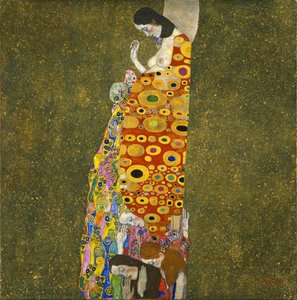
While seemingly a simple handwritten document, "Page 1," dated 1913, offers a fascinating and unexpected window into the world of Gustav Klimt. This intimate work diverges from his celebrated opulent paintings, yet reveals crucial aspects of his artistic process and intellectual life during a pivotal period.
The artwork presents a close-up view of aged paper densely covered in cursive script. The composition is not one of grand design, but rather an accumulation of names, dates, and annotations – likely related to musical events or performances. This suggests Klimt was meticulously documenting his social engagements, perhaps even inspirations for future works. The sheer volume of text creates a captivating visual texture, a chaotic order that draws the eye across the page.
“Page 1” showcases Klimt’s skill beyond his signature gilded style. Executed in black ink on aged paper, the technique is straightforward – pen and ink calligraphy. However, the *variations* within the cursive script—different sizes, flourishes, and pressures—reveal a personal touch and an immediacy rarely seen in his more polished works. This piece demonstrates Klimt’s foundational training in draftsmanship, harking back to his early days at the Vienna Kunstgewerbeschule.
1913 falls within a complex period for Klimt and the Viennese art scene. The height of the Vienna Secession had passed, but its influence remained strong. Klimt was grappling with evolving artistic trends and personal challenges. While known for works like “Pallas Athene” (1898) – a powerful example of Secessionist symbolism – this document suggests a more private, reflective side to the artist. It’s possible these notes relate to performances he attended seeking inspiration or collaborations.
Unlike his allegorical paintings brimming with symbolism, “Page 1” operates on a different level. Its power lies in its authenticity and intimacy. The document isn’t *about* something; it is something – a tangible remnant of Klimt's daily life. The aged paper evokes a sense of history and nostalgia, while the handwritten script feels deeply personal. It invites contemplation on the ephemeral nature of time and memory.
“Page 1” is more than just a document; it's a fragment of Klimt’s world – a testament to his multifaceted talent and enduring legacy.

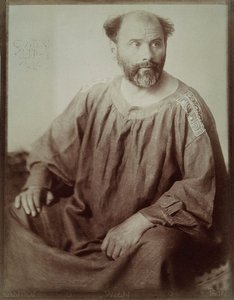
1862 - 1918 , Ausztria

Explore the profound impact of the Vienna Secession movement. Discover how visionaries like Gustav Klimt revolutionized modern art through symbolism, gold leaf, and the concept of Gesamtkunstwerk in this expert-led historical guide.


Maradjon naprakész a legfrissebb művészeti hírekkel, exkluzív ajánlatokkal és dekorációs ötletekkel.
Írja le nekünk projektjét, és művészeti szakértőink 3 személyre szabott műalkotási javaslatot készítenek Önnek.
Hagyjuk, hogy mi válogassunk ki Önnek 3 legjobb opciót – Ingyenesen!


 Megtekintés
 Küldés
 Megosztás
 Részletek

 Letöltés
 Hasonló darabok
 X-ray felvétel
 Diavetítés

 Összes részlet megjelenítése







 Az üvegkeretes opció csak 110 cm alatti méretben érhető el