x

Múzeumi minőségű giclée vagy vászonnyomat, gyors gyártással és rugalmas finomítási lehetőségekkel. ( Áttérés a kézzel festett másolatra Képváltás)





























Válasszon előre meghatározott méreteink közül, amelyek megfelelnek a műalkotás eredeti arányainak.

Megadhat saját méreteket is egy konkrét kerethez vagy helyszínhez igazítva. Amennyiben a kiválasztott méret nem egyezik az eredeti kép arányokkal, a műalkotást le fogjuk vágni, vagy kiegészítjük a képet tükrözött vagy egyszínű szélekkel. A gyártás megkezdése előtt egy digitális tervezetet küldünk jóváhagyásra.
Kérjük, vegye figyelembe, hogy a képernyőn látható előnézet nem tükrözi a tényleges levágást vagy kiegészítést. Csak a tervezet mutatja pontosan a végső kompozíciót.
Bár az egyedi méretek is elérhetőek, az eredeti arányok megőrzése érdekében azt javasoljuk, hogy válasszon a előre meghatározott listából származó méretet.
Világszerte történő kiszállítás területére 2 hét alatt, a szokásos 4-5 hét helyett. 11 augusztus


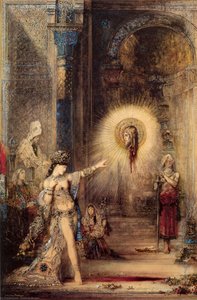
Sultane
A reprodukció mérete
Gustave Moreau's *Sultane*, painted during his most intensely Symbolist period, is not merely a depiction of a man in red; it’s an immersion into a world of veiled secrets and potent symbolism. Created between 1882 and 1885, this enigmatic work embodies the core tenets of the Symbolist movement – a deliberate rejection of objective representation in favor of exploring subjective emotions, spiritual ideas, and fantastical narratives. Moreau, deeply influenced by mythology, religion, and the burgeoning field of psychology, sought to evoke an atmosphere of dreamlike intensity rather than offering a straightforward visual record.
Moreau's *Sultane* is deeply rooted in the Symbolist fascination with ancient myths and religious iconography. Sultan Ibrahim Effendi himself was a renowned collector of oriental artifacts, including a famed collection of Persian carpets, which heavily influenced Moreau’s artistic vision. The scene evokes elements of the Ottoman court, but more importantly, it functions as a symbolic representation of power, knowledge, and perhaps even madness. The raised hands of the Sultan suggest a moment of revelation or contemplation – a descent into the subconscious. The kneeling attendant could represent submission, obedience, or perhaps a conduit for divine inspiration.
Beyond its immediate visual impact, *Sultane* is laden with symbolic meaning. The Sultan’s raised hands can be interpreted as a gesture of prayer, contemplation, or even madness – a common motif in Symbolist art. The kneeling attendant represents subservience and loyalty, but also potentially the vulnerability of those who seek knowledge. The overall composition suggests a fragmented narrative, inviting viewers to actively participate in constructing their own interpretations. Moreau deliberately avoided providing clear answers, preferring instead to stimulate the viewer’s imagination and emotional response.

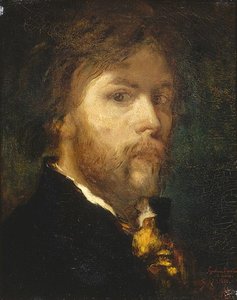
1826 - 1898 , Francia

Explore the evocative world of Symbolist painting. Discover how masters like Gustave Moreau rejected realism to capture dreams, myths, and the subconscious through fine art history and expert analysis.

Explore the profound history and technical mastery of woodcut relief printing. From ancient origins to German Expressionism, discover how artists use the subtractive process to create iconic works. A definitive guide for art students, collectors, and historians.

Discover the technical mastery behind Most-Famous-Paintings.com's premium Giclée canvas prints. Our guide for elite collectors explores archival pigment inks, museum-grade substrates, and the science of high-fidelity reproduction to ensure lasting beauty and historical accuracy.


Maradjon naprakész a legfrissebb művészeti hírekkel, exkluzív ajánlatokkal és dekorációs ötletekkel.
Írja le nekünk projektjét, és művészeti szakértőink 3 személyre szabott műalkotási javaslatot készítenek Önnek.
Hagyjuk, hogy mi válogassunk ki Önnek 3 legjobb opciót – Ingyenesen!


 Előnézet
 Megosztás
 Megosztás
 Részletek

 Letöltés
 Hasonló alkotások
 X-ray felvétel
 Diavetítés

 Tovább olvasom







 Az üvegkeretes opció csak 110 cm alatti méretben érhető el