


x


 Készíttetnék festményként Kép letöltése
 Megosztás
 Részletek
 Kedvencekhez ad
 Letöltés
 Hasonló alkotások
 X-ray felvétel
 Diavetítés
 Akril vászononFalfeldíszAtmospheric Impressionism
 128.0 x 103.0 cm
 The Royal Institution
Múzeumi minőségű giclée vagy vászonnyomat, gyors gyártással és rugalmas finomítási lehetőségekkel.





























Válasszon előre meghatározott méreteink közül, amelyek megfelelnek a műalkotás eredeti arányainak.

Megadhat saját méreteket is egy konkrét kerethez vagy helyszínhez igazítva. Amennyiben a kiválasztott méret nem egyezik az eredeti kép arányokkal, a műalkotást le fogjuk vágni, vagy kiegészítjük a képet tükrözött vagy egyszínű szélekkel. A gyártás megkezdése előtt egy digitális tervezetet küldünk jóváhagyásra.
Kérjük, vegye figyelembe, hogy a képernyőn látható előnézet nem tükrözi a tényleges levágást vagy kiegészítést. Csak a tervezet mutatja pontosan a végső kompozíciót.
Bár az egyedi méretek is elérhetőek, az eredeti arányok megőrzése érdekében azt javasoljuk, hogy válasszon a előre meghatározott listából származó méretet.
Világszerte történő kiszállítás területére 2 hét alatt, a szokásos 4-5 hét helyett. 21 július


John Fuller
A reprodukció mérete
Henry Singleton (1766–1839) angol festő volt, aki ismertetőképpen portrékat és műnemű alkotásokat készített. Együttműködésével az őszinteség és részletesség szempontjából megköszönhetően egy igazán különleges műalkotás született: John Fuller portrét.
Singleton műve kiállításra került a Londoni Egyetem Tudományos Intézetének termeibe, ami bizonyítja az alkotás jelentőségét és széles közönség számára elérhetőségét. Ez egy olyan műalkotás, amely képes megérteni és kifejezni az emberi érzelmek komplex világát.
Singleton műve egy személyiség mély vizsgálatát követeli meg, és minden egyes vonalat gondosan átvizsgálták, hogy igazán pontosan tükröző legyen az aktuális időszak és egyéniség jellemzője. Az alkotás részletei nagy precizitással kerültek megmunkálásra.

Born into the vibrant artistic tapestry of London in 1766, Henry Singleton was destined for a life defined by the brush and the palette. His early years were shaped by a profound familial connection to the arts; following the untimely loss of his father when he was just an infant, Singleton was raised under the watchful eye of his uncle, William Singleton. This mentorship provided more than just familial stability; it offered a direct lineage to the prestigious traditions of English miniature painting, having been trained under the esteemed Ozias Humphry. Growing up in an environment where art was the primary language—surrounded by uncles and sisters who were all recognized exhibitors at the Royal Academy—Singleton’s development was an organic progression of inherited skill and burgeoning individual talent.
As a young man, Singleton demonstrated a precocious command over both scale and subject. His formal education at the Royal Academy Schools began in his late teens, and by 1784, he had already secured the silver medal, signaling his arrival as a formidable talent. The pinnacle of his early academic recognition came in 1788, when his ambitious painting depicting John Dryden’s Alexander’s Feast earned him the prestigious gold medal. This achievement highlighted a period in his career where he sought to transcend the delicate confines of miniature work to tackle grand, sweeping historical and scriptural compositions. His ability to weave complex narratives from the Bible, Shakespeare, and contemporary history allowed him to command attention on the large-scale canvases demanded by the era's most significant institutions.
While his early ambitions leaned toward the monumental, Singleton’s professional journey was marked by a remarkable versatility that ensured his longevity in the competitive London art scene. He became a fixture of the Royal Academy, exhibiting approximately 300 works between 1784 and 1839. There is a poignant irony in his storied career: despite being commissioned by the Royal Academy in 1793 to paint a massive group portrait of forty academicians, he never attained the formal status of a member or an associate himself. Nevertheless, his presence was so constant and his skill so respected that he eventually became the Royal Academy's oldest living exhibitor, a testament to a lifetime of unwavering dedication to his craft.
His repertoire was as diverse as it was technically proficient, spanning several distinct modes of painting:
Beyond the Royal Academy, Singleton’s influence extended to the British Institution and the Society of British Artists, ensuring his work reached a broad spectrum of collectors and connoisseurs. His life came to a close in London in 1839, leaving behind a body of work that serves as a vital window into the aesthetic values of the late 18th and early 19th centuries. Through his portraits and historical scenes, Singleton captured not just the faces of his contemporaries, but the very spirit of an era defined by classical grandeur and the intimate beauty of the miniature.

1766 - 1839 , United States of America

Alakítsa kedvenc nyaralási fotóit időtálló olajfestményekké! Professzionális festőművészek, egyedi stílusok és prémium minőség. Személyre szabott műalkotások a Most-Famous-Paintings-tól – örök emlékek otthonába!

Commission breathtaking bespoke fantasy art with skilled oil painters. Explore techniques, artist selection & preservation tips. Invest in a unique masterpiece today!

Explore the captivating portraits of Sir John Watson Gordon, a leading Scottish master. Discover his evolution from neoclassical style to atmospheric Tonalism and influence on 19th-century British art. Learn about his iconic sitters & legacy.
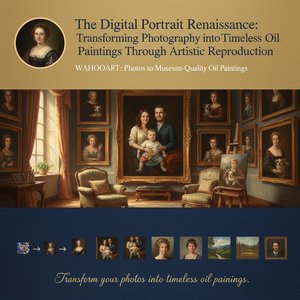
Alakítsa át kedvenc fényképeit időtálló olajfestményékké! Kézműves festők gondos munkája, klasszikus technikák és egyedi stílusok. Prémium minőség, személyre szabott alkotások – örök emlékek a legmagasabb színvonalon.

Fedezze fel az AI és az olajfestészet forradalmát! Személyre szabott műalkotások, mesterséges intelligencia által generált festmények, impresszionista örökség. Prémium minőség, egyedi tervezés a Most-Famous-Paintings-tól.


Maradjon naprakész a legfrissebb művészeti hírekkel, exkluzív ajánlatokkal és dekorációs ötletekkel.
Írja le nekünk projektjét, és művészeti szakértőink 3 személyre szabott műalkotási javaslatot készítenek Önnek.
Hagyjuk, hogy mi válogassunk ki Önnek 3 legjobb opciót – Ingyenesen!


 Megosztás

 Tovább olvasom







 Az üvegkeretes opció csak 110 cm alatti méretben érhető el


