Értékelje át műveit
Kedvencek listája Kosár tartalma Cart
x
MegtekintésMegtekintés Műalkotás AR előnézeteMűalkotás AR előnézete Kézzel festett másolat rendelése Kézzel festett másolat rendeléseKép letöltése Kép letöltése KüldésKüldés
RészletekRészletek Kedvencekhez ad Kedvencekhez ad LetöltésLetöltés Hasonló darabokHasonló darabok X-ray felvételX-ray felvétel DiavetítésDiavetítés

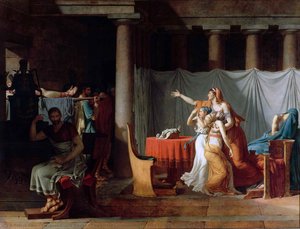
untitled (1714)

The painting depicts a dramatic scene of revolutionaries gathered in a room, showcasing nudity and weaponry amidst an atmosphere of tension and historical significance. Jacques-Louis David's masterpiece embodies Neoclassical ideals and captures the fervor of the French Revolution.

David Jacques-Louis (1748–1825): A francia neoklasszikus festő, a forradalom és Napóleon korszakának ikonikus alakja. 'A Horatii Szövetsége' képe a hősiesen, erkölcsi szellemiségű művészetét mutatja be.

Giclée / Műnyomat

Múzeumi minőségű giclée vagy vászonnyomat, gyors gyártással és rugalmas finomítási lehetőségekkel. (Kézzel festett másolat rendelése Kézzel festett másolat rendeléseKép letöltése Kép letöltése)

P118B $10
P118H $10
P118W $10
P438Z $10
P508JH $12
P508YH $12
P805H $10
P805Z $10
P919BZ $10
P919G $10
P919XJ $10
P959ZH $10
P968JZ $12
W106C $8
W218G $10
W218JH $8
W218Y $10
W307PJ $10
W316G $10
W316PJ $8
W316Y $10
W398PJ $8
W4111J $10
W500HY $15
W500JH $15
W692G $12
W849H $8
W940BG $15
W953PJ $8

Standard
custom
CM
INCH

Válasszon előre meghatározott méreteink közül, amelyek megfelelnek a műalkotás eredeti arányainak.

szélesség
magasság

Megadhat saját méreteket is egy konkrét kerethez vagy helyszínhez igazítva. Amennyiben a kiválasztott méret nem egyezik az eredeti kép arányokkal, a műalkotást le fogjuk vágni, vagy kiegészítjük a képet tükrözött vagy egyszínű szélekkel. A gyártás megkezdése előtt egy digitális tervezetet küldünk jóváhagyásra.
Kérjük, vegye figyelembe, hogy a képernyőn látható előnézet nem tükrözi a tényleges levágást vagy kiegészítést. Csak a tervezet mutatja pontosan a végső kompozíciót.
Bár az egyedi méretek is elérhetőek, az eredeti arányok megőrzése érdekében azt javasoljuk, hogy válasszon a előre meghatározott listából származó méretet.

Világszerte történő kiszállítás területére mindössze 2 hét alatt, a szokásos 4-5 hét helyett. (19 augusztus)

why_choose_icon
Ingyenes globális expressz szállítás
why_choose_icon
Prémium minőségű len vászon
why_choose_icon
Teljes körű szállítási biztosítás
why_choose_icon
Vámvisszatérítési Garancia
why_choose_icon
Hiteles színpontosság garancia
why_choose_icon
60 napos visszaküldési lehetőség (csak hibás termékek esetén)
why_choose_icon
100% pénzvisszatérítési garancia
why_choose_icon
Több darab vásárlása esetén kedvezmény

Összesített ár

$ 68

reproduction

untitled (1714)

Giclée / Műnyomat

Reprodukció mérete

-

Összesített ár

$ 68

Gyors információk

  • Title: The Painting
  • Medium: Oil on Canvas
  • Notable elements or techniques: Dramatic Composition
  • Artistic style: Classical
  • Movement: Neoclassicism
  • Location: Private Collection
  • Dimensions: Large Format

Művészeti kvíz

Minden kérdésre csak egy helyes válasz létezik.

Kérdés 1:
What artistic movement is Jacques-Louis David primarily associated with?
Kérdés 2:
The painting depicts a scene of intense drama and tension. What is the central focus of this dramatic portrayal?
Kérdés 3:
Approximately how many people are visible in the depicted scene?
Kérdés 4:
What is a notable characteristic of David's artistic technique evident in this painting?
Kérdés 5:
The artwork reflects the spirit of the French Revolution. What does it symbolize?

Gyűjthető leírása

A Vision of Neoclassical Grandeur

The canvas presents a profound moment of human connection and tension, capturing a large assembly of figures gathered within an expansive, classically inspired interior. At first glance, the scene strikes the viewer with its raw, visceral energy; individuals are depicted in states of partial undress, their bodies rendered with the anatomical precision characteristic of the Neoclassical tradition. Some figures grasp swords, suggesting a pivotal historical or mythological turning point where the weight of destiny hangs in the balance. The composition is masterfully orchestrated, leading the eye through a sea of interacting limbs and expressive faces, from those standing prominently in the foreground to the more shadowed figures near the distant dining table. This dynamic arrangement creates a sense of being an invisible witness to a secret, high-stakes gathering, where every gesture—a raised hand, a gripped hilt—speaks of impending revolution or solemn oath.

The Mastery of Line and Light

Technically, this work serves as a testament to the rigorous training and disciplined brushwork that defined the late 18th-century French school. The artist employs a meticulous approach to modeling, using subtle gradations of light and shadow to bestow a sculptural quality upon each figure. There is an unmistakable clarity in the drawing, where every contour is deliberate, eschewing the frivolous ornamentation of the preceding Rococo era in favor of a more austere, monumental aesthetic. The color palette remains controlled and sophisticated, utilizing muted tones that emphasize the structural integrity of the composition rather than distracting with superficial brilliance. This restraint allows the emotional gravity of the scene to take center stage, making the painting not just a visual spectacle, but an intellectual experience that rewards close, contemplative study.

Symbolism and the Spirit of an Era

Beyond its surface beauty, the artwork breathes the spirit of an age defined by upheaval and the pursuit of civic virtue. The presence of weapons amidst such an intimate gathering symbolizes the intersection of private passion and public duty—a central theme in the life of Jacques-Louis David and the broader Neoclassical movement. The starkness of the setting, punctuated only by scattered chairs and a simple table, strips away the decadence of the old monarchy to reveal the raw essence of human resolve. For the collector or interior designer, this piece offers more than mere decoration; it provides a focal point of historical depth and moral seriousness. It is an evocative masterpiece that brings a sense of timeless drama and intellectual prestige to any curated space, inviting conversation about the enduring power of heroism and the transformative nature of change.

A művész életrajza

A Brushstroke Across Revolution: The Life and Art of Jacques-Louis David

Jacques-Louis David, born in Paris in 1748, was more than just a painter; he was a visual chronicler of an era defined by upheaval, idealism, and the relentless pursuit of new orders. His life mirrored the dramatic shifts unfolding across France – from the waning opulence of the Rococo to the austere clarity of Neoclassicism, and ultimately, through the tumultuous years of revolution and Napoleonic glory. A childhood marked by the early loss of his father and a facial impediment that initially hindered his speech seemed only to sharpen his observational skills and fuel an unwavering dedication to artistic mastery. Though initially apprenticed to François Boucher, David quickly found himself drawn to the more morally resonant work of Joseph-Marie Vien, whose emphasis on history painting and classical subjects resonated with a burgeoning sense of purpose within the young artist. His early attempts to win the prestigious Prix de Rome were fraught with frustration, yet these repeated setbacks only intensified his resolve, forging a relentless perfectionism that would characterize his entire career.

The Birth of Neoclassical Drama

David’s artistic evolution wasn't merely a stylistic shift; it was a philosophical statement. He rejected the frivolous ornamentation and playful themes of the Rococo, embracing instead the clarity, order, and moral seriousness inherent in classical antiquity. This commitment was profoundly influenced by archaeological discoveries at Pompeii and Herculaneum, which unveiled a world of Roman art and architecture previously lost to time. These unearthed ruins ignited within him a profound respect for the rationalism and civic virtue of the ancient Romans – values he believed were desperately needed in his own era. His breakthrough came with “Oath of the Horatii” (1784), a painting that transcended mere artistic skill to become an emblem of civic virtue and patriotic sacrifice. The stark composition, dramatic lighting, and precise draftsmanship were revolutionary, signaling a decisive break from the past. It wasn’t simply *what* he painted but *how* – a deliberate construction designed to evoke powerful emotional responses and inspire contemplation on themes of duty, honor, and self-sacrifice. The figures are rendered with an almost sculptural quality, their bodies idealized according to classical principles, while the scene unfolds with a dramatic intensity that captures the viewer’s attention. This work didn't just announce a new style; it foreshadowed the ideological currents that would soon sweep across France.

Revolution and Remembrance: Art as Political Weapon

As the French Revolution erupted in 1789, David was not merely an observer but an active participant. A fervent supporter of the revolutionary cause and a close associate of Maximilien Robespierre, he saw art as a powerful tool for shaping public opinion and immortalizing the ideals of the new republic. He believed that art could inspire virtue, promote civic engagement, and serve as a visual testament to the sacrifices made in the name of liberty. During this period, David’s paintings became potent symbols of revolutionary martyrdom and republican fervor. Perhaps his most iconic work from this era is “The Death of Marat” (1793), a hauntingly realistic depiction of the assassinated journalist, transformed into a secular saint. The painting's stark simplicity – the pale body, the makeshift desk, the poignant letter clutched in Marat’s hand – elevates the scene to a level of profound emotional resonance. David deliberately chose this subject matter, recognizing Marat’s role as a champion of the people and seeking to elevate him to the status of a revolutionary hero. He meticulously researched the details of Marat's death, striving for an unparalleled degree of realism that heightened the painting’s impact. Alongside “The Death of Marat,” David created other powerful images reflecting the revolution’s ideals, including "The Death of Socrates" and "The Lictors Bringing Brutus the Bodies of His Sons," each imbued with a solemn dignity and moral weight.

From Revolution to Empire: Serving Napoleon

The fall of Robespierre marked another turning point in David's career. With remarkable adaptability, he navigated the shifting political landscape and aligned himself with Napoleon Bonaparte, becoming the First Consul’s official court painter. This new patronage ushered in a period of grand-scale commissions designed to glorify Napoleon’s victories and achievements. “Napoleon Crossing the Alps” (1801-1805) is perhaps the most famous example – a masterful piece of propaganda that presents Napoleon as a heroic, almost mythical figure conquering both nature and adversity. The painting's dramatic composition, dynamic lighting, and idealized portrayal of Napoleon capture the spirit of his military genius and ambition. David’s skill in depicting movement and emotion is particularly evident here, creating an image that transcends mere historical record to become a potent symbol of Napoleonic power. He continued to produce works celebrating Napoleon’s triumphs throughout his reign, including “The Coronation of Napoleon” (1807), an immense canvas capturing the opulence and grandeur of the imperial ceremony. During this time, David's palette subtly shifted, incorporating warmer Venetian colors while maintaining the precision and clarity that defined his style – a reflection of the imperial splendor he was tasked with portraying.

Exile, Legacy, and Enduring Influence

The Bourbon Restoration in 1814 brought renewed peril for David, whose association with the fallen Napoleon made him a target of persecution. He chose exile in Brussels in 1816, where he continued to paint and teach until his death on December 29, 1825. Despite facing hardship and political opposition, David remained committed to his art, producing works that reflected his evolving philosophical perspectives. Even in exile, his influence remained profound. He trained numerous pupils, including Jean-Auguste-Dominique Ingres, who would become one of the most important neoclassical painters of the 19th century. David’s emphasis on draftsmanship, composition, and historical accuracy left an indelible mark on French art. His legacy extends beyond mere imitation; his expressive distortions of form and space even foreshadowed the innovations of later artists like Henri Matisse and Pablo Picasso. Jacques-Louis David was not simply a painter of his time; he *defined* it, capturing its spirit of revolution, ambition, and enduring ideals on canvas for generations to come.
  • Major Achievements: Established Neoclassicism as the dominant style in French painting.
  • Historical Significance: Created iconic images that captured the spirit of the French Revolution and the Napoleonic era.
  • Influence: Trained a generation of influential artists who carried on his legacy.
Jacques-Louis David

Jacques-Louis David

1748 - 1800 , Franciaország

A művészről röviden

  • Artistic Movement Or Style: Neoklasszicizmus
  • Artists Or Movements Influenced By This Artist:
    • Ingres
    • Matisse
    • Picasso
  • Artists Who Influenced This Artist:
    • Joseph-Marie Vien
    • Raphael Mengs
  • Date Of Birth: 1748. augusztus 30.
  • Date Of Death: 1825. december 29.
  • Full Name: Jacques-Louis David
  • Nationality: Francia
  • Notable Artworks:
    • Oath of the Horatii
    • Marat halála
    • Napóleon átkel a hevéről
  • Place Of Birth: Párizs, Franciaország
Fedezze fel a műalkotásokat témák, stílusok és jellemzők szerint csoportosítva.