


x

 PaintingIndian Modernism
 1994Modern
 1730.0 x 1140.0 cm
 National Gallery of Modern Art
Kézzel festett olajvastú vászon, az Ön által választott méretben és keretben, művészeink készítik meglévőre. ( Nyomat rendelése Kép letöltése)
Válasszon előre meghatározott méreteink közül, amelyek megfelelnek a műalkotás eredeti arányainak.

Ön megadhat saját méreteket egy adott kerethez vagy térhez igazításhoz. Ha a kiválasztott méret nem egyezik az eredeti kép arányával, akkor a műalkotást levágjuk, vagy további kézzel festett elemekkel meghosszabbítjuk a festményt. A gyártás megkezdése előtt küldünk Önnek egy digitális előnézetet jóváhagyásra.
Kérjük, vegye figyelembe, hogy a képernyőn megjelenő előnézet nem tükrözi a tényleges vágást vagy kiterjesztést. Csak az előnézet fog pontosan mutatni a végső kompozíciót.
Bár egyedi méretek állnak rendelkezésre, javasoljuk, hogy válasszon egy méretet az előre meghatározott listából az eredeti arányok megőrzése érdekében.
Világszerte elérhető szállítás () 3-4 hét alatt a szokásos 5 hét helyett. (21 augusztus). A minőség nem kérdőjelezhető.


Text Decoded - I
Reprodukció mérete
In the vast landscape of Indian modernism, few works command attention with such enigmatic authority as Jagdish Swaminathan’s Text Decoded - I. Created in 1994, this monumental piece serves as a profound meditation on the essence of form and the language of symbols. Swaminathan, a visionary who bridged the gap between tribal folk traditions and contemporary abstraction, invites the viewer into a world where art is not merely a representation of reality, but a gateway to a new state of freedom. The painting presents a striking, almost hypnotic composition, dominated by a central red triangular form that acts as a spiritual and visual anchor. This geometric focal point, surrounded by a mysterious, dark void, creates a tension that pulls the eye inward, demanding a deep, contemplative engagement from anyone standing before its massive 1730 x 1140 cm presence.
The technique employed in this work is a masterclass in monochromatic strength and symbolic layering. Swaminathan utilizes an assemblage of intricate lines and enigmatic shapes to construct a narrative that transcends literal interpretation. While the painting features figures that suggest human activity, they are woven into the fabric of the composition with such abstraction that they become part of a larger, cosmic pattern. The presence of birds—one perched near the upper periphery and another drifting toward the lower edge—adds a layer of organic movement to the otherwise rigid geometric structure. This delicate balance between the structured triangle and the fluid, wandering elements creates a rhythmic pulse, making the canvas feel alive with a quiet, breathing energy.
To understand Text Decoded - I, one must look to the soul of the artist himself. Swaminathan was not merely a painter but an ideologue who believed that art should exist as its own reality. His later works, particularly those from the 1980s and 90s, saw him retreating from literal landscapes toward a more primal, symbolic vocabulary inspired by the folk traditions of India. In this piece, the "text" being decoded is not written in words, but in the very geometry of the universe. The red triangle serves as a potent symbol of strength, direction, and perhaps even the primordial fire of creation, while the surrounding shadows suggest the infinite mysteries of the unknown.
For the discerning collector or interior designer, this artwork offers more than just visual splendor; it provides an intellectual and emotional anchor for any sophisticated space. The painting’s ability to command a room through its scale and monochromatic intensity makes it an ideal centerpiece for galleries, luxury residences, or curated corporate collections. A high-quality reproduction of this masterpiece allows the profound stillness and the complex, layered history of Swaminathan’s vision to permeate a modern environment, offering a constant source of inspiration and a window into the threshold of freedom.


1928 - 1994 , India

Explore the rich symbolism of the red dress in art history! From ancient power displays to iconic portraits like Cézanne’s 'Madame Cezanne', discover the cultural and artistic significance behind this captivating color. Expert analysis & insights.

Embark on a sophisticated journey through the history of line drawing. From classical mastery to modern minimalism, explore how the power of the line shapes emotion and space in fine art. Discover expert insights for collectors and enthusiasts of graphic elegance.
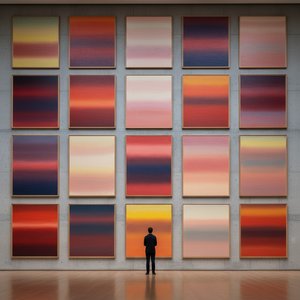
Fedezze fel Mark Rothko 25 legikonikusabb művét! Ismerje meg az absztrakt expresszionizmus mesterének érzelmi világát, színeit és technikáit. Múzeumi minőségű reprodukciók a Most-Famous-Paintings-on – inspirálja otthonát egyedi faliképekkel! Explore the full collection online.
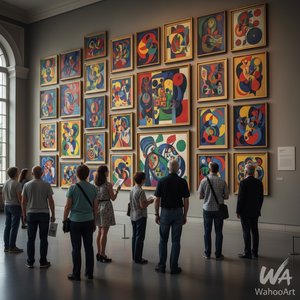
Fedezze fel Wassily Kandinsky 25 legikonikusabb művét! Merüljön el az absztrakt művészet világában, ismerje meg a színek és formák lenyűgöző történetét. Prémium minőségű reprodukciók és inspiráló dekorötletek a Most-Famous-Paintings.com-on.
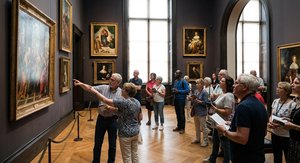
Fedezze fel a müncheni Alte Pinakothek 25 legikonikusabb művészeti remekművét! Reneszánsz és barokk festmények, Leonardo da Vinci, Dürer alkotásai – inspiráló történetek és magas minőségű reprodukciók. Otthonra vagy ajándékba? Most-Famous-Paintings.com-on minden megtalálható!


Maradjon naprakész a legfrissebb művészeti hírekkel, exkluzív ajánlatokkal és dekorációs ötletekkel.
Írja le nekünk projektjét, és művészeti szakértőink 3 személyre szabott műalkotási javaslatot készítenek Önnek.
Hagyjuk, hogy mi válogassunk ki Önnek 3 legjobb opciót – Ingyenesen!


 Megtekintés
 Küldés
 Megosztás
 Részletek

 Letöltés
 Hasonló darabok
 X-ray felvétel
 Diavetítés
 Összes részlet megjelenítése




































 Az üvegkeretes opció csak 110 cm alatti méretben érhető el


