x

Kézzel festett olajvastú vászon, az Ön által választott méretben és keretben, művészeink készítik meglévőre. ( Nyomat rendelése Kép letöltése)





























Válasszon előre meghatározott méreteink közül, amelyek megfelelnek a műalkotás eredeti arányainak.

Ön megadhat saját méreteket egy adott kerethez vagy térhez igazításhoz. Ha a kiválasztott méret nem egyezik az eredeti kép arányával, akkor a műalkotást levágjuk, vagy további kézzel festett elemekkel meghosszabbítjuk a festményt. A gyártás megkezdése előtt küldünk Önnek egy digitális előnézetet jóváhagyásra.
Kérjük, vegye figyelembe, hogy a képernyőn megjelenő előnézet nem tükrözi a tényleges vágást vagy kiterjesztést. Csak az előnézet fog pontosan mutatni a végső kompozíciót.
Bár egyedi méretek állnak rendelkezésre, javasoljuk, hogy válasszon egy méretet az előre meghatározott listából az eredeti arányok megőrzése érdekében.
Világszerte elérhető szállítás () 3-4 hét alatt a szokásos 5 hét helyett. (16 augusztus). A minőség nem kérdőjelezhető.


Placa redonda
Reprodukció mérete
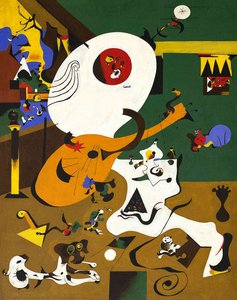
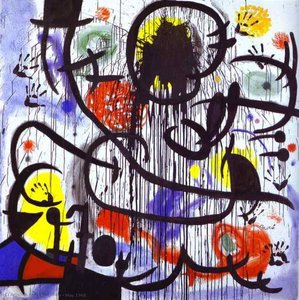
Joan Miró's “Placa redonda” is not merely a painting; it’s an invitation into a dreamscape, a visual poem brimming with the artist’s signature blend of playful abstraction and profound symbolism. This captivating work, though modest in size (the exact dimensions remain undocumented), possesses an expansive quality, drawing the viewer into its intricate world of biomorphic forms and vibrant hues. At first glance, one is struck by the prominent canine figure—a whimsical dog standing upright, almost human in posture. But to perceive this as simply a depiction of an animal would be to miss the deeper currents flowing beneath the surface. Miró wasn’t interested in replicating reality; he sought to unlock the subconscious, to translate the language of dreams and instincts onto canvas.
Born in Barcelona in 1893, Joan Miró developed a unique artistic vocabulary deeply rooted in Catalan identity and Surrealist exploration. While he briefly engaged with movements like Cubism, he quickly forged his own path, rejecting rigid structures in favor of intuitive expression. “Placa redonda” exemplifies this approach. The dog, often interpreted as a self-portrait or a representation of loyalty and companionship, is surrounded by an array of enigmatic shapes and figures. These aren’t random arrangements; they are carefully considered symbols drawn from Miró's personal mythology. The scattered forms—floating eyes, ladder-like structures, and amorphous blobs—evoke a sense of childlike wonder and primal energy. The painting isn’t about *what* is depicted but rather *how* it feels. It taps into universal archetypes, resonating with the viewer on an emotional level.
Miró's technique in “Placa redonda” is deceptively simple yet remarkably sophisticated. He employed a limited palette of primary colors—red, blue, yellow—alongside black lines to define forms and create spatial relationships. The application of paint appears fluid and spontaneous, but closer inspection reveals a meticulous control over texture and layering. He often thinned his paints, allowing them to bleed into the canvas, creating a sense of luminosity and depth. This technique contributes to the painting’s ethereal quality, as if the images are emerging from a hazy dream. The circular format itself—the “placa redonda” or round plate—adds another layer of meaning, suggesting wholeness, unity, and the cyclical nature of life.
Joan Miró’s impact on 20th-century art is undeniable. He paved the way for abstract expressionism and influenced generations of artists with his innovative use of color, form, and symbolism. “Placa redonda,” though a relatively lesser-known work compared to some of his larger canvases, encapsulates the essence of his artistic vision. It’s a testament to his ability to transform personal experiences and subconscious impulses into universally accessible works of art. For collectors and interior designers alike, a reproduction of this painting offers more than just aesthetic appeal; it provides a window into a world of imagination, inviting contemplation and sparking creativity within any space.
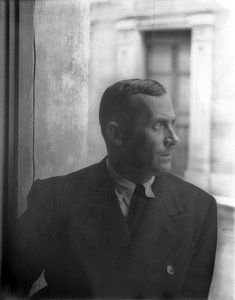
1893 - 1983 , Spanyolország

Explore the profound emotional depth of Lyrical Abstraction. Discover how masters like Raymond Parker used color and form to bridge Impressionism and Abstract Expressionism. Learn about this pivotal movement through our expert-led art history guide.

Explore the profound emotional depth of Color Field painting. Discover the history of mid-century abstraction, from Rothko to Newman, and learn how pure color transforms the viewer's experience through our expert art history guide.

Discover the profound emotional depth and investment potential of contemporary abstraction. Our expert guide explores how texture, movement, and form create timeless value for discerning art collectors and sophisticated interiors.


Maradjon naprakész a legfrissebb művészeti hírekkel, exkluzív ajánlatokkal és dekorációs ötletekkel.
Írja le nekünk projektjét, és művészeti szakértőink 3 személyre szabott műalkotási javaslatot készítenek Önnek.
Hagyjuk, hogy mi válogassunk ki Önnek 3 legjobb opciót – Ingyenesen!


 Megtekintés
 Küldés
 Megosztás
 Részletek

 Letöltés
 Hasonló darabok
 X-ray felvétel
 Diavetítés

 Összes részlet megjelenítése







 Az üvegkeretes opció csak 110 cm alatti méretben érhető el