x

 Nyomat vásárlása Kép letöltése
 Megosztás
 Részletek
 Kedvencekhez ad
 Letöltés
 Hasonló alkotások
 X-ray felvétel
 Diavetítés
 Olajfestmény vászononFalfeliratok és faldekorációRomanticism
 182119. század
 130.0 x 185.0 cm
 Nemzeti Képtár (London)
Kézzel festett olajvastú vászon, az Ön által választott méretben és keretben, művészeink készítik meglévőre.





























Válasszon előre meghatározott méreteink közül, amelyek megfelelnek a műalkotás eredeti arányainak.

Ön megadhat saját méreteket egy adott kerethez vagy térhez igazításhoz. Ha a kiválasztott méret nem egyezik az eredeti kép arányával, akkor a műalkotást levágjuk, vagy további kézzel festett elemekkel meghosszabbítjuk a festményt. A gyártás megkezdése előtt küldünk Önnek egy digitális előnézetet jóváhagyásra.
Kérjük, vegye figyelembe, hogy a képernyőn megjelenő előnézet nem tükrözi a tényleges vágást vagy kiterjesztést. Csak az előnézet fog pontosan mutatni a végső kompozíciót.
Bár egyedi méretek állnak rendelkezésre, javasoljuk, hogy válasszon egy méretet az előre meghatározott listából az eredeti arányok megőrzése érdekében.
Világszerte elérhető szállítás () 3-4 hét alatt a szokásos 5 hét helyett. (18 július). A minőség nem kérdőjelezhető.


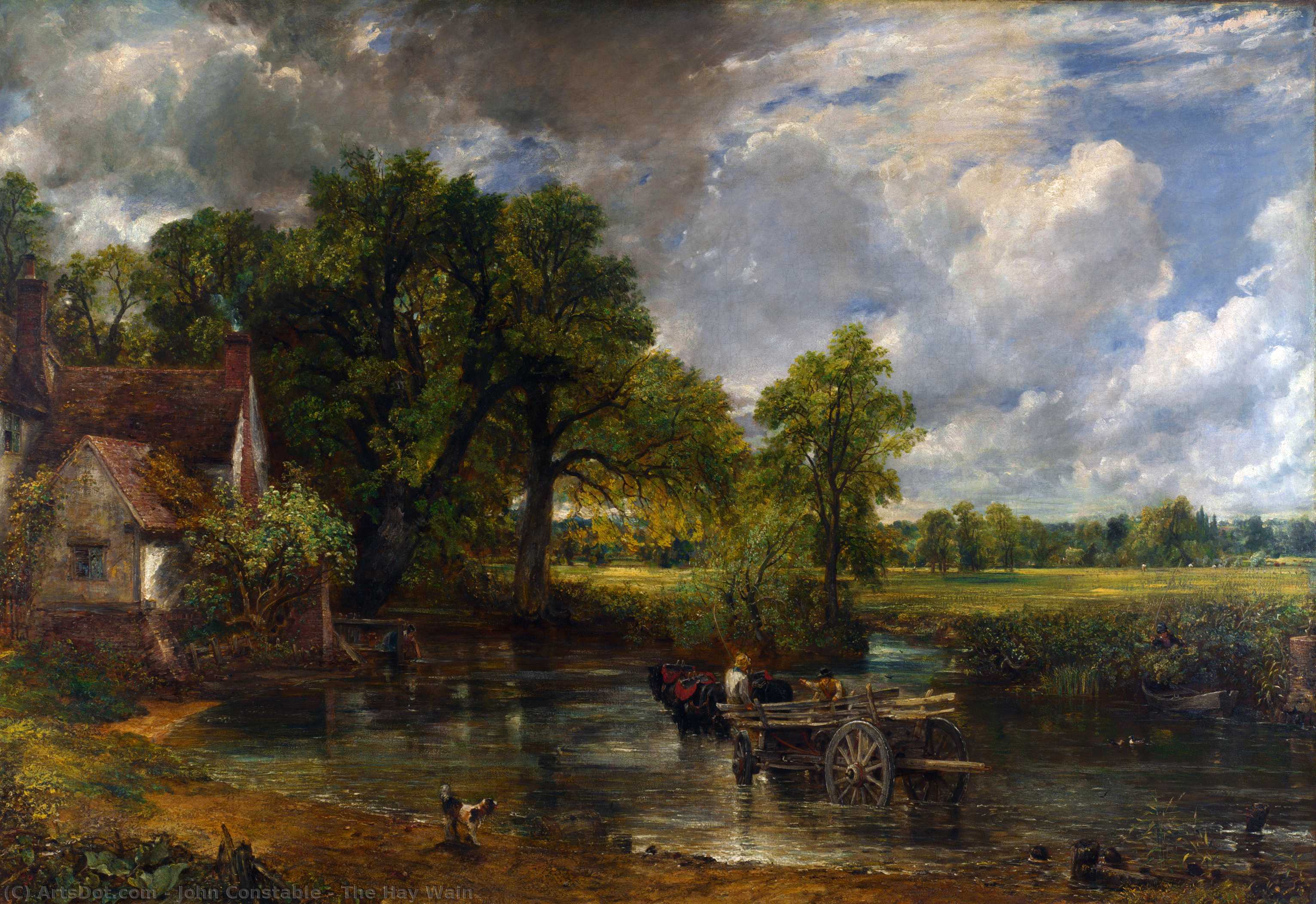
A Hay Wain
A reprodukció mérete
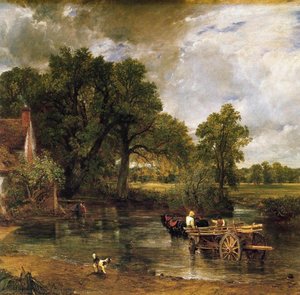
John Constable’s 1821 masterpiece, "The Hay Wain," isn't merely a depiction of a river scene; it’s a profound evocation of a way of life – a harmonious blend of human activity and the enduring beauty of the English countryside. More than two centuries after its creation, this painting continues to resonate deeply with audiences, offering a timeless glimpse into a pastoral world that feels both familiar and profoundly distant. Constable, a pivotal figure in the development of English landscape painting, deliberately rejected the grand, dramatic styles favored by his contemporaries, instead focusing on capturing the subtle nuances of light, atmosphere, and the everyday rhythms of rural life in Suffolk.
Rooted firmly within the Romantic movement, “The Hay Wain” represents a significant shift away from earlier landscape traditions. While previous artists often idealized nature, Constable sought to present an authentic vision, imbued with his personal connection to his native land. He wasn’t interested in imposing a preconceived notion of beauty; rather, he meticulously observed and translated the natural world onto canvas, prioritizing truthfulness over theatricality. The painting's composition—a broad horizontal sweep across the River Stour—emphasizes the vastness and tranquility of the landscape, drawing the viewer into its serene embrace.
Constable’s artistic technique is nothing short of revolutionary. He employed a layering process, building up texture and depth through subtle variations in tone and hue – a method known as *glazing*. The sky, often considered the focal point, demonstrates his exceptional ability to capture atmospheric effects; billowing clouds hint at an approaching storm, adding a dynamic tension to the otherwise tranquil scene. His use of broken color—small, distinct brushstrokes of contrasting hues—and *impasto* (thickly applied paint) creates a remarkable sense of immediacy and realism, as if you could step directly into the painting and feel the damp air on your skin.
The loose, expressive brushwork is particularly striking. Constable deliberately avoided smooth, blended surfaces, allowing individual strokes to remain visible – a technique that contributes significantly to the painting’s vibrant energy and sense of movement. He wasn't striving for photographic accuracy; instead, he sought to capture the *feeling* of the landscape, translating its essence onto canvas with remarkable sensitivity.
"The Hay Wain" was painted during a period of profound social and economic transformation in England – an era marked by rapid industrialization. As factories rose and traditional rural life began to fade, artists like Constable turned to the countryside as a source of solace and inspiration. This painting isn’t simply a record of a specific scene; it's a poignant expression of nostalgia for a simpler time, a yearning for connection with nature and the rhythms of agricultural life. The inclusion of Willy Lott’s Cottage, a humble dwelling nestled by the riverbank, subtly reinforces this theme – suggesting a harmonious relationship between humanity and the land.
The painting's popularity reflects a broader cultural trend: a growing appreciation for the beauty and value of rural England. Constable’s work helped to solidify the English landscape tradition as a legitimate subject for art, paving the way for future generations of artists who sought to capture the spirit of the countryside.
Beyond its technical brilliance, “The Hay Wain” is rich in symbolism. The hay wagon itself represents the movement of goods and people across the landscape – a vital element of rural life. The approaching storm suggests both potential danger and renewal, mirroring the cyclical nature of the seasons and the enduring power of nature. The painting’s overall mood is one of quiet contemplation—a sense of peace and serenity tempered by an underlying awareness of the passage of time. It invites viewers to slow down, observe, and appreciate the simple beauty of the natural world.
Reproductions of “The Hay Wain” offer a wonderful opportunity to bring this iconic artwork into your home or office, allowing you to experience Constable’s vision firsthand. Most-Famous-Paintings offers meticulously crafted hand-painted reproductions that capture the painting's original texture, color, and emotional depth – ensuring that you own a piece of art history.

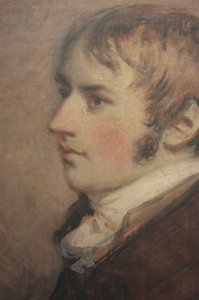
1776 - 1837 , Egyesült Királyföld
Fedezze fel John Constable 25 legszebb művészeti alkotását! Ismerje meg a romantika ikonikus tájképeit, Dedham Vale szépségét és a természet lenyűgöző ábrázolásait. Vászonkép reprodukcióinkkal eleganciát csempészhet otthonába – Most-Famous-Paintings.com

Fedezze fel John Singer Sargent 25 legikonikusabb művészeti alkotását! Portrék, impresszionista stílus és a fény játéka – inspirálódjon Sargent életrajzából és vászonképeiből. Művészeti reprodukciók otthonába a Most-Famous-Paintings-on!

Fedezze fel a romantikus tájképfestészet 10 legikonikusabb műalkotását! Caspar David Friedrich, J.M.W. Turner és más mesterek festményeinek története – inspiráló olajfestmények otthonába. Most-Famous-Paintings.com: múzeumi minőségű reprodukciók és egyedi dekorációk online.
Fedezze fel a 10 legikonikusabb tájkép festményt! Monet, Van Gogh és más mesterek művei inspirálnak. Művészeti reprodukciók magas minőségben – tökéletes dekoráció otthonába. Böngésszen Most-Famous-Paintings.com-on!

Fedezze fel Claude Monet 25 legikonikusabb mesterművét! Ismerje meg az impresszionizmus zseniális festőjének történetét, a fény és szín varázsát. Vásároljon exkluzív reprodukciókat otthona dekorációjához a Most-Famous-Paintings.com-on!


Maradjon naprakész a legfrissebb művészeti hírekkel, exkluzív ajánlatokkal és dekorációs ötletekkel.
Írja le nekünk projektjét, és művészeti szakértőink 3 személyre szabott műalkotási javaslatot készítenek Önnek.
Hagyjuk, hogy mi válogassunk ki Önnek 3 legjobb opciót – Ingyenesen!


 Megosztás

 Tovább olvasom







 Az üvegkeretes opció csak 110 cm alatti méretben érhető el